Doghouse Sheds Charlotte NC
April 13, 2026
Homestead Sheds & Mini Barns Charlotte NC: Building for Your Rural Lifestyle
May 1, 2026
Imagine your farm equipment, hay, and tools protected from the elements, enhancing efficiency all year long. As a trusted, locally established builder, we provide customizable, high-quality farm sheds with reliable service and flexible options tailored to your needs.
Explore essential insights on key uses, costs, sizes, durable materials like steel vs. timber, build times, planning permissions, maintenance tips, and how to choose the right farm shed for your needs.
Ready to find the perfect farm shed solution? Contact us today for a free consultation and personalized quote!
What are farm sheds and their primary uses?
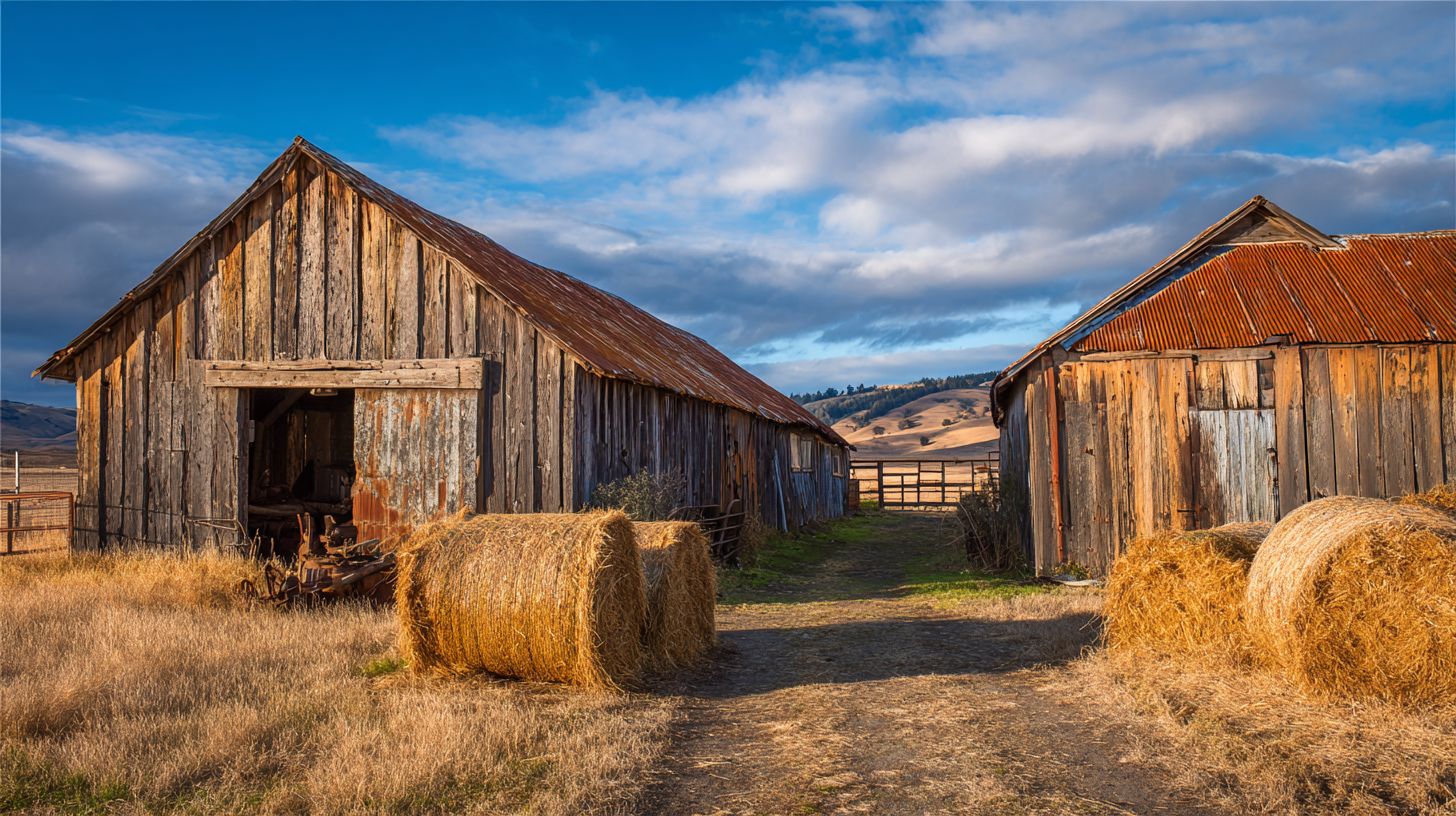
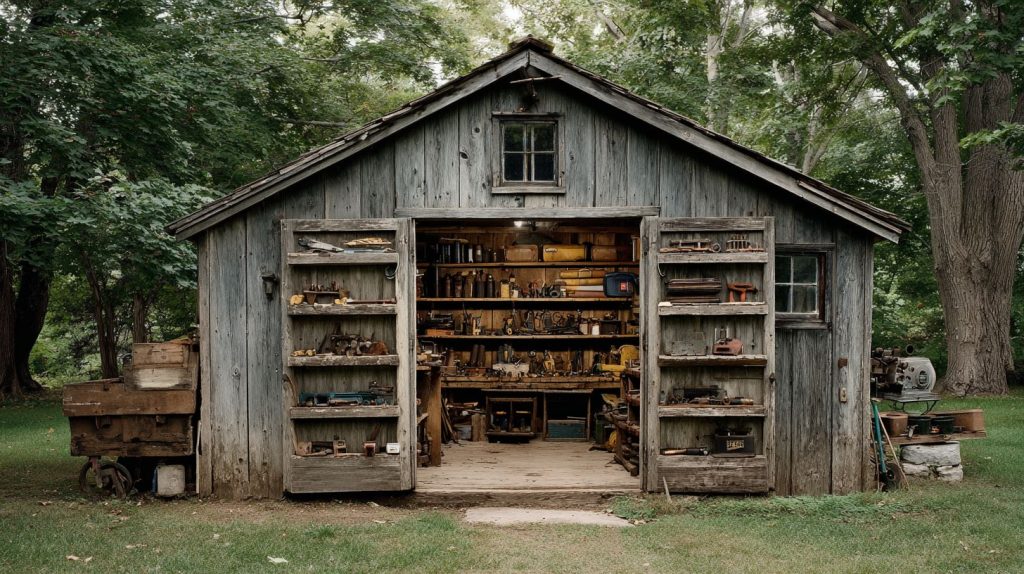
Farm sheds are versatile steel or timber structures designed specifically for rural properties, and for those in urban areas, metal buildings charlotte offer similar durable solutions., providing secure storage for machinery, hay, livestock, and tools while withstanding harsh weather conditions. These agricultural sheds serve as essential rural infrastructure, protecting valuable assets from rain, wind, and dust, much like mini barns charlotte nc do for suburban properties. They come in various forms like metal sheds, pole barns, and kit sheds, while wood sheds charlotte nc offer a traditional aesthetic for smaller needs.
Primary uses include machinery storage, livestock protection, hay and grain storage, and creating workshops. Custom sheds or prefab sheds allow farmers to tailor sizes, such as 6×6 sheds for tools or larger 10×20 sheds for tractors. Proper shed construction ensures durability with features like colorbond roofing and corrugated iron.
Choosing the right shed foundations, like concrete slabs or gravel bases, is key for stability against wind load and cyclone ratings. Integrating solar panels or water tanks adds value to these farm buildings.
Machinery and Equipment Storage
Machinery sheds protect high-value items like tractors from weather damage and theft. A typical 10x20m tractor shed can house a large model, keeping it ready for use. Steel sheds with roller doors and shed security features like padlocks ensure safety.
These implement sheds store plows, harvesters, and tools on shelving or pegboards. Galvanized sheds resist corrosion in humid areas. Experts recommend shed anchoring for heavy duty protection.
Equipment storage solutions include shed lighting and electrical wiring for maintenance work. Tractor sheds with sliding doors allow easy vehicle entry. This setup reduces downtime and extends equipment life.
Farmers often add shed accessories like workbenches for repairs. Proper shed design considers shed sizes and shed permits for council approvals.
Livestock Shelters
Livestock shelters provide shade and protection for animals like sheep and cattle. A 6x12m sheep shelter with good ventilation meets basic welfare needs. Animal housing uses rural sheds designed for airflow and easy cleaning.
Features include shed windows and open sides to prevent overheating. Horse stables or cattle sheds benefit from shed insulation in cooler climates. Poultry sheds focus on dust control and predator-proofing.
Standards guide shed construction for safety and hygiene. Modular sheds allow quick assembly for growing herds. Add shed flooring like concrete for durability.
These farm outbuildings support farm safety with secure shed doors. Regular shed maintenance keeps shelters functional year-round.
Hay and Grain Storage
Hay barns and grain storage sheds keep feed dry and pest-free. Galvanized sheds with shed roofs prevent moisture buildup. Elevated designs on concrete slabs improve air circulation.
Farmers use these for bales, silage, and grains, often with internal dividers. Barn sheds reduce waste through better protection. Storage sheds include ventilation to avoid mold.
Silo sheds handle bulk grains securely. Custom sheds fit specific farm needs, like irrigation equipment nearby. Shed kits offer cost-effective options.
Integrate shed galvanizing for longevity. Weatherproof sheds withstand rain and sun, supporting agricultural storage solutions.
Workshops and Offices
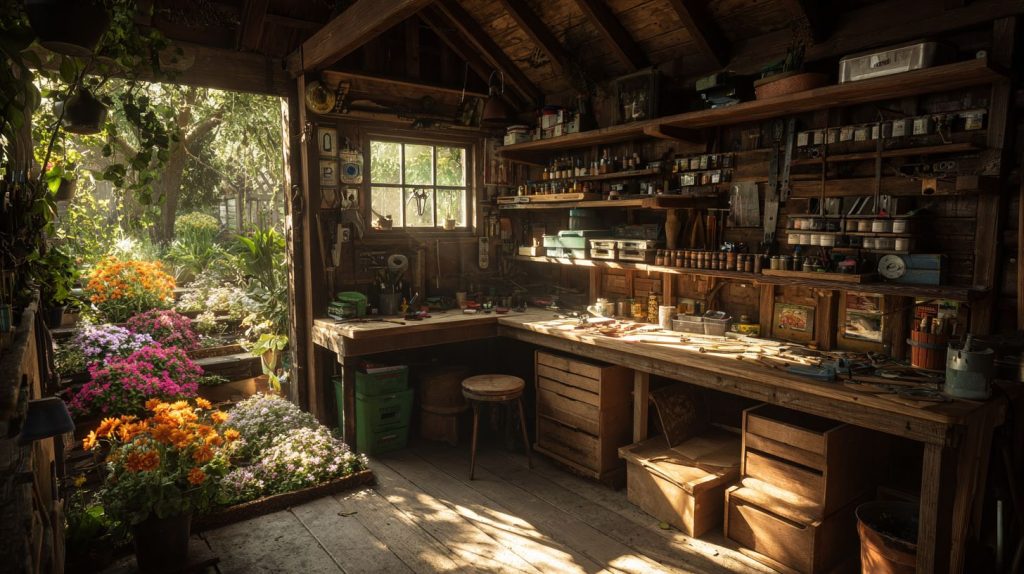
Farm workshops provide space for repairs and planning. Insulated farm office sheds include electrical wiring and lighting. These tool sheds organize parts efficiently.
Add workbenches, shed shelving, and power tools in a dedicated area. Shed insulation keeps spaces comfortable. Farm office sheds handle paperwork and monitoring.
Features like shed windows bring in natural light. Prefab sheds speed up shed installation but do not provide workmanship guarantees or customization.
Secure chemical storage and fuel storage zones separately. These durable sheds aid farm diversification and operations.
How much do farm sheds cost?
Prices vary based on whether you choose kit sheds or full installation services. Kit options save on labor but require DIY assembly skills. Installed sheds include professional shed construction and site preparation.
Key factors include material type, such as steel sheds at higher rates than timber frames. Delivery fees and foundation work, like concrete slabs, add to the total cost.
Financing options make larger purchases manageable. For example, a $30,000 shed could spread payments over five years, easing cash flow for farmers.
Popular Farm Shed Size Comparisons
Selecting the right size balances cost with storage needs for farm workshops, hay barns, or machinery sheds. Smaller units suit basic tool sheds, while larger ones handle tractors and livestock.Match sizes to your needs, like a 10×20 shed for animal housing with added ventilation. Custom options allow extras like shed insulation for year-round use.
Factors Affecting Farm Shed Prices
Material choice drives much of the cost difference. Steel sheds run about $120 per square meter due to durability, while timber frames cost around $90 per square meter for simpler builds.
Delivery charges range from $500 to $2,000 based on regional access. Remote rural areas face higher fees for shed delivery of heavy modular sheds.
Foundations add significant expense. A concrete slab at $80 per square meter provides a stable base for equipment storage, outperforming gravel bases in wet conditions.
- Opt for colorbond roofing to cut long-term shed maintenance.
- Add roller doors for easy access in tractor sheds.
- Consider cyclone ratings for coastal farm buildings.
Financing Your Farm Shed Purchase
Rural financing helps spread costs for agricultural sheds without upfront strain. Many banks offer five-year interest-free terms tailored to farmers.
For a $30,000 machinery shed, payments might equal $500 monthly. This approach suits farm expansions or adding livestock shelters.
Check eligibility through local rural suppliers. Pair financing with warranties for low maintenance sheds that meet local standards.
What sizes and designs are available for farm sheds?
Farm sheds come in standard sizes from compact 6x6m tool storage to expansive 15x30m machinery barns, with modular designs allowing easy expansion for growing farm operations.
These agricultural sheds suit various needs, from tractor sheds to hay barns. Options include kit sheds from suppliers offering quick shed installation.
Shed designs feature gable roofs for wind load resistance, skillion roofs for space-saving, and monitor roofs for ventilation. Custom sheds adapt to rural zoning and council approvals.
Choose steel sheds or galvanized sheds for durability, with features like roller doors and shed insulation enhancing farm safety and efficiency.
Small Sheds (6x6m to 9x12m)
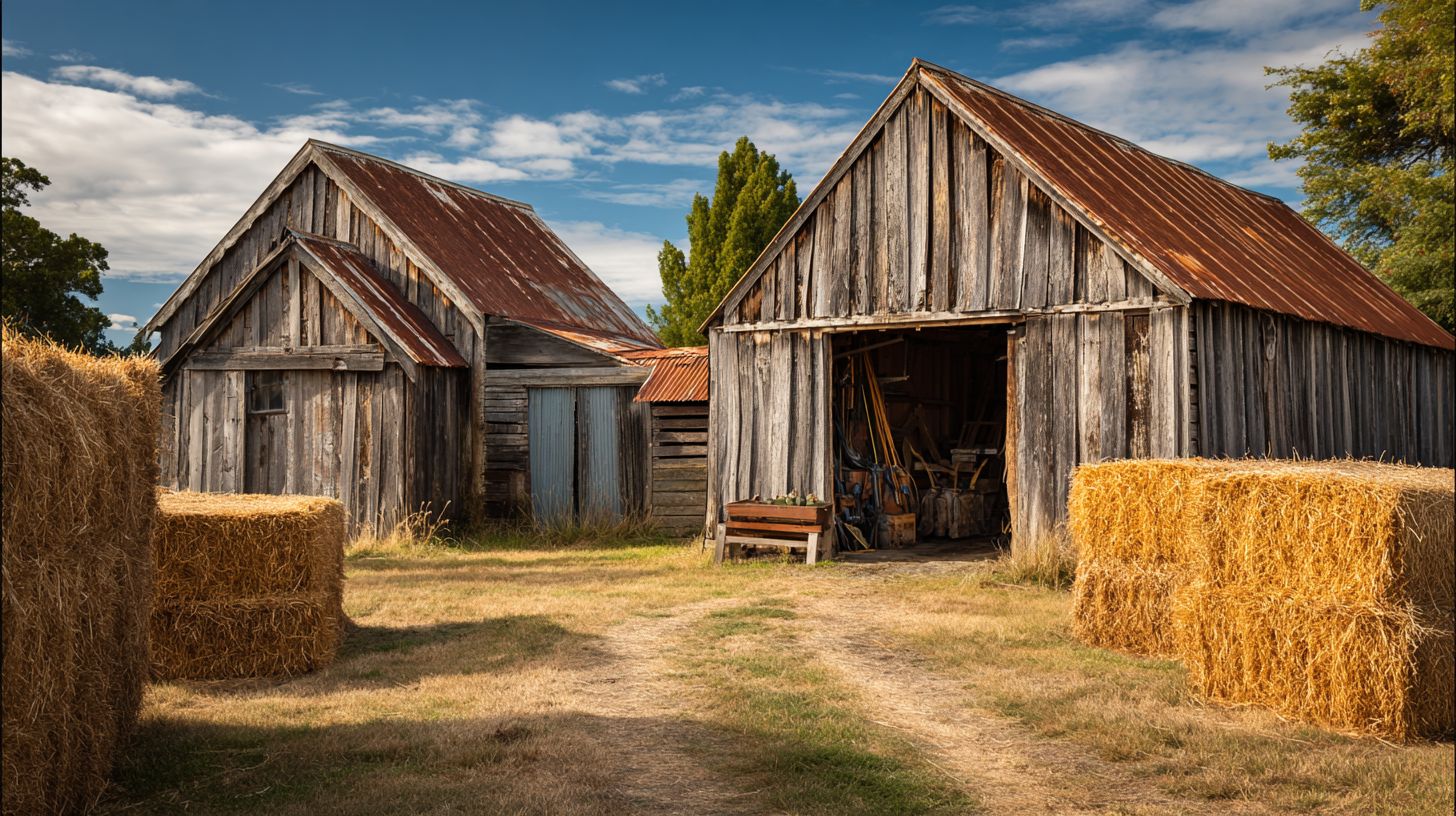
Small sheds from 6x6m to 9x12m work well for tool sheds or ATV storage. These storage sheds keep equipment dry and organized on smaller properties.
Over 20 kit designs from Stratco and Bluescope provide options like prefab sheds with colorbond roofing. They suit implement sheds or chemical storage.
Build on concrete slabs or gravel bases for stability. Add shed windows and shed lighting for easy access during early mornings or evenings.
These low maintenance sheds offer cost effective solutions for farm outbuildings, with shed anchoring to meet wind load standards.
Medium Workshops (10x10m to 12x18m)
Medium workshops sized 10x10m to 12x18m include roller doors and space for workbenches. Ideal for farm workshops handling repairs on farming equipment.
Add lean-to additions for extra equipment storage. Features like sliding doors and pegboards boost productivity in these metal sheds.
Install shed flooring with epoxy coatings for durability. Electrical wiring supports tools, while ventilation keeps air fresh.
These heavy duty sheds serve as farm office sheds or irrigation sheds, expanding with modular panels for future needs.
Large Barns (12x24m+)
Large barns from 12x24m offer multi-bay layouts with mezzanine levels. Perfect for machinery sheds or livestock shelters like cattle sheds.
Convert to horse stables with dividers and shed insulation. Pole barns provide open spans for grain storage or hay barns.
Include shed security with locks and alarms. Water tanks and solar panels integrate for self-sufficient rural infrastructure.
Designs handle cyclone ratings and snow load, using corrugated iron roofs. Suited for farm expansion and property development.
Popular Roof Designs and Modular Expansion
Gable roofs excel in wind load resistance for exposed sites. Skillion roofs save space under low eaves, fitting tight farm layouts.
Monitor roofs improve ventilation, ideal for poultry sheds or sheep shelters. Gallery examples show these on custom sheds from shed manufacturers.
For growth, start with a 10x10m starter shed and expand to 20x20m in 18 months using modular sheds. This supports shed extensions without full rebuilds.
Ensure shed foundations allow bolt-on additions.
What materials are best for durable farm sheds?
Galvanized Colorbond steel at 0.42 BMT sets the standard for farm sheds. It provides 40+ year lifespans, BAL-29 bushfire ratings, and C3 cyclone resistance per AS 1170.2. This makes it ideal for agricultural sheds facing harsh rural conditions.
Choosing the right material ensures your steel sheds or galvanized sheds withstand weather, pests, and heavy use. Factors like durability, cost, and maintenance guide decisions for hay barns, machinery sheds, or livestock shelters. A comparison highlights top options for rural sheds.
| Material | Durability | Cost/sqm | Maintenance | Best Use |
|---|---|---|---|---|
| Steel Colorbond | 40yrs | $120 | 5yrs repaint | All rural |
| Galvanized | 30yrs | $100 | 8yrs | Coastal |
| Timber treated | 25yrs | $90 | Annual | Traditional |
Steel options excel in shed construction for equipment storage and farm workshops. Timber suits pole barns with aesthetic needs, but requires more upkeep. Match materials to your shed design and site for long-term value.
Steel Advantages
Steel offers unmatched strength for durable sheds in farm settings. Its SuperDura coating boosts corrosion resistance, protecting against rust in wet climates. This suits metal sheds used as tractor sheds or implement sheds.
Installation is straightforward with shed kits or prefab sheds. Pair it with concrete slabs or gravel bases for stable shed foundations.
Low maintenance appeals to busy farmers managing hay barns or grain storage. Regular shed painting or shed galvanizing extends life without frequent shed repairs. Experts recommend steel for cost effective sheds in high-exposure areas.
For custom sheds, steel supports additions like solar panels or water tanks. It ensures bushfire ratings for safety in rural zones. This material future-proofs your farm outbuildings.
Roofing Options
Corrugated iron with 5.5 rib profile dominates shed roofs for farm sheds. It sheds water quickly and resists impacts from hail or branches. Use it on barn sheds or storage sheds for reliable weatherproofing.
Lysaght Kleenex provides a smoother finish with better dirt resistance. Compare profiles for your colorbond roofing needs in machinery sheds or farm workshops. Both options pair well with roller doors and sliding doors.
Choose based on pitch and span for shed installation. Corrugated suits wide spans in kit sheds, while Kleenex fits modern modular sheds. Proper shed anchoring prevents uplift in storms.
Incorporate shed windows and ventilation under roofing for airflow in animal housing like horse stables. This setup maintains dry conditions in cattle sheds or poultry sheds. Roofing choice impacts overall shed maintenance.
Insulation
Polyspan R2.0 insulation cuts energy use in farm sheds. It traps air to regulate temperatures inside equipment storage or tool sheds. This keeps tools and machinery in top condition year-round.
Install it during shed construction between steel frames for steel sheds. It works well in farm office sheds or chemical storage areas needing stable climates. Combine with shed lighting and electrical wiring for efficient spaces.
Benefits extend to livestock shelters by reducing condensation. Research suggests such insulation supports comfort in sheep shelters without high running costs. It pairs with shed flooring like concrete for versatile heavy duty sheds.
For shed retrofits or shed extensions, add insulation to boost low maintenance sheds. It enhances shed security by preventing frost damage to locks and padlocks. This upgrade aids farm safety and longevity.
How long does it take to build a farm shed?
A standard 10x20m steel farm shed takes 5-10 days total from foundation to lockup when using professional installers, or 3-4 weekends for owner-builder kit sheds. This timeline applies to common agricultural sheds like machinery sheds or hay barns. Factors such as shed size and site conditions influence the exact duration.
Follow this numbered timeline for typical shed construction projects. Smaller 6×6 sheds finish faster, while larger 12x24m custom sheds require more time for steel sheds or pole barns.
- Site Prep (1-2 days): Clear the area and add a $2k gravel base or $6k concrete slab for stable shed foundations.
- Delivery (1 day): Receive flat-pack steel components for prefab sheds or modular sheds.
- Foundation (2 days): Install engineer-certified piers.
- Assembly (3-5 days): A 4-man crew erects the frame, shed roofs with Colorbond roofing, and walls for galvanized sheds.
- Fitout (1-2 days): Add roller doors, electrical wiring, and ventilation for farm workshops or livestock shelters.
Total time varies: a 10x10m kit takes 3 days, while a 12x24m custom shed needs 12 days. Common delays include wet weather or council approvals for shed permits. Experts recommend pre-ordering concrete during the dry season to avoid setbacks in farm outbuildings.
Do farm sheds require planning permission?
Farm sheds under 10m typically need no council approval in rural zones, but sheds 10-50m require Development Application (DA) and engineer certification per local government regulations. Larger agricultural sheds often demand full planning checks to ensure compliance with zoning rules. Always verify with your local council before starting shed construction.
Rural sheds like hay barns or machinery sheds fall under specific exemptions in areas such as NSW LEP 2021. Factors like setback distances, height limits, and bushfire ratings determine approval needs. Consulting experts early avoids costly delays in farm expansion.
For steel sheds or prefab sheds, understanding these rules supports safe, legal builds. Common examples include equipment storage or livestock shelters requiring minimal paperwork if small. Property owners benefit from clear guidelines on shed permits and council approvals.
Practical steps involve checking your rural zoning and land use first. This ensures farm buildings like pole barns or kit sheds meet standards without surprises. Proper planning leads to durable, compliant storage sheds for long-term use.
Exempt Development: Under 10m with No Setback Issues
These suit basic needs such as tool sheds or chemical storage without boundary concerns. Confirm no setback issues exist before building.
Galvanized sheds or modular sheds in this size work well for quick setups on concrete slabs or gravel bases. They avoid paperwork, speeding up shed installation for farm workshops or implement sheds. Keep heights under limits to stay exempt.
Always double-check local rules for shed foundations and anchoring. Exempt status means faster access to weatherproof sheds for everyday rural needs. It simplifies adding low-maintenance outbuildings.
Full DA Required: Over 50m or Near Boundaries
Larger farm sheds over 50m or those near boundaries need a full Development Application (DA), taking 8-12 weeks with fees around $1.5k. This applies to extensive barn sheds or grain storage units. Detailed plans cover all aspects from shed roofs to electrical wiring.
Key requirements include setback of 900mm on sides and 10m from front boundaries, height under 4.5m, plus bushfire assessment like BAL-12.5. Submit engineer reports for shed anchoring and snow load. Councils review impacts on neighbors and environment.
This process suits shed extensions or retrofits on expanding properties. Include details on shed lighting, security like locks, and accessories such as shelving. It ensures compliant, secure farm outbuildings.
Planning Permission Checklist
Use this checklist to assess your shed permits needs for any farm building. Start with size, location, and zoning checks. It guides decisions on prefab sheds or custom designs.
- Confirm setback: 900mm from sides, 10m from front boundaries.
- Check height: Keep under 4.5m for most exemptions.
- Complete bushfire assessment, such as BAL-12.5 rating.
- Verify AS standards for shed construction, including wind and cyclone loads.
- Plan for shed foundations like concrete slabs or gravel bases.
- Include details on roller doors, windows, and ventilation.
Review local LEP for rural sheds like livestock shelters or fuel storage. This list prevents fines and delays. Consult council for site-specific advice on shed maintenance and repairs.
What maintenance do farm sheds need?
Steel farm sheds require minimal maintenance. A 4-yearly wash and 10-yearly repaint extends life to 40+ years. This costs just $1,200 for a 10x20m shed.
Regular checks keep agricultural sheds strong against weather and wear. Focus on roofs, doors, and pests for low maintenance sheds. These steps prevent costly shed repairs down the line.
Experts recommend an annual checklist for all farm buildings. Simple tasks like clearing gutters save time and money. This approach suits metal sheds and steel sheds in rural settings.
Annual Maintenance Checklist
Start with roof inspection each year. Clear gutters and check fixings. This task takes about 2 hours for most shed roofs.
Next, handle door maintenance. Lubricate rollers on roller doors or sliding doors. It requires just 30 minutes and keeps operation smooth.
For pest control, inspect timber elements only. Treat any signs of termites in pole barns or kit sheds. Skip this for fully galvanized sheds.
- Roof: Clear corrugated iron or Colorbond roofing, tighten fixings.
- Doors: Oil hinges and tracks on machinery sheds.
- Pests: Check hay barns or livestock shelters for damage.
- Repaint: Every 10 years with Wallguard for Colorbond panels.
Repair Costs and Longevity Tips
Common fixes include a corrugated fix at around $350. A full roof replacement runs higher, but spreads over 20 years. Plan ahead for shed maintenance budgets.
Choose quality materials for longer life. Bluescope warranty supports rust resistance in weatherproof sheds. Regular care boosts durability for equipment storage.
For farm workshops or tractor sheds, inspect shed foundations yearly. Check concrete slabs or gravel bases for cracks. This prevents major issues in rural sheds.
Are there DIY options for farm sheds or only kit sets?
DIY shed kits allow owner-builders to erect 6x6m to 12x18m farm sheds in 2-4 weekends using standard tools and bolt-together construction. These kit sheds work well for equipment storage, hay barns, or livestock shelters. They offer a cost-effective path for rural sheds without hiring pros.
Compare DIY kits at around $8k for materials with 40 hours of labor to fully installed sheds at $12k completed in 2 days with engineer certification. DIY suits sheds under 10m needing no council approvals. Pros handle larger agricultural sheds or custom designs with shed foundations like concrete slabs.
Limitations of DIY include no custom sizes beyond 12x18m and reliance on prefab components. For metal sheds with roller doors or Colorbond roofing, kits provide galvanized steel durability. Experts recommend checking local zoning for shed permits before starting.
Supplier Checklist
Use this supplier checklist to evaluate options for your steel sheds or pole barns. It covers key criteria to ensure quality in farm outbuildings. Start by verifying each point before committing.
- Experience: Confirm they complete numerous farm projects each year, showing expertise in rural sheds like tractor sheds or grain storage.
- Materials: Seek Colorbond accreditation for galvanized sheds with corrugated iron roofs suited to weatherproof sheds.
- Warranties: Require structural coverage for decades, protecting modular sheds or prefab sheds from defects.
- Local service: Ensure installers operate close by for quick shed foundations work like concrete slabs or gravel bases.
- Reviews: Look for strong ratings with many responses, reflecting real satisfaction in shed kits and kit sheds.
This checklist guides you toward durable sheds for farm expansion. It helps avoid issues in shed design or shed permits.
Red Flags to Avoid
Watch for suppliers skipping engineer stamps on designs. This risks failure in wind load or bushfire ratings for your farm safety.
Steer clear of those pushing imported cheap steel. It lacks durability for low maintenance sheds compared to local galvanizing.
Other warnings include no council approvals guidance or absent shed anchoring details. These signal poor support for rural infrastructure like chemical storage or fuel storage units.
Choose wisely to secure cost effective sheds with features like ventilation, shed insulation, and shed security options.
What are the benefits of steel versus timber farm sheds?
Steel farm sheds outperform timber by 60% in longevity (40 vs 25 years), 75% lower maintenance, and 30% better cyclone resistance, making them the preferred choice for many conditions.
These steel sheds handle harsh weather in rural areas better than timber options. Farmers use them for hay barns, machinery sheds, and livestock shelters. They resist termites and fire more effectively.
Timber sheds appeal for their look in farm workshops or horse stables, but they warp over time. Steel avoids shrinkage, cuts shed maintenance, and speeds up shed installation by 50%.
Consider a hybrid approach with steel frames and timber lining for agricultural sheds. This blends durability with style for equipment storage or tractor sheds. Always check local council approvals for your shed design.
Frequently Asked Questions
What are farm sheds and why are they essential for farming?
Farm sheds are sturdy, versatile structures designed specifically for agricultural use, providing secure storage for equipment, hay, livestock feed, and vehicles. They are essential for protecting valuable assets from weather elements, extending their lifespan and improving farm efficiency.
What materials are commonly used in constructing farm sheds?
Farm sheds are typically built using durable materials like galvanized steel for framing, colorbond steel for roofing and walls, and concrete slabs for foundations. These materials ensure longevity, weather resistance, and low maintenance, making farm sheds ideal for harsh rural environments.
How do I choose the right size for farm sheds?
To choose the right size for farm sheds, assess your storage needs such as machinery dimensions, feed quantities, and future expansions. Common sizes range from 6m x 6m for small farm sheds to 12m x 20m for larger operations, ensuring ample space without wasting resources.
What are the benefits of installing farm sheds on my property?
Installing farm sheds offers numerous benefits including protection from rain, sun, and pests, organized storage that boosts productivity, increased property value, and customization options for specific needs like tack rooms or workshops, making them a smart investment for any farm.
Are farm sheds customizable, and what features can be added?
Yes, farm sheds are highly customizable with options like roller doors, personal access doors, insulation, mezzanine flooring, and lean-tos. You can tailor farm sheds to match your farm’s aesthetic and functional requirements, such as ventilation for animal housing or power points for tools.
What should I consider when planning the location for farm sheds?
When planning the location for farm sheds, consider proximity to work areas, drainage to avoid water pooling, wind direction for stability, council regulations, and soil type for a solid foundation. Proper placement ensures farm sheds are accessible, safe, and compliant with local zoning laws.