
She Sheds Charlotte NC
July 1, 2026
Woodworking Sheds Charlotte NC
July 13, 2026
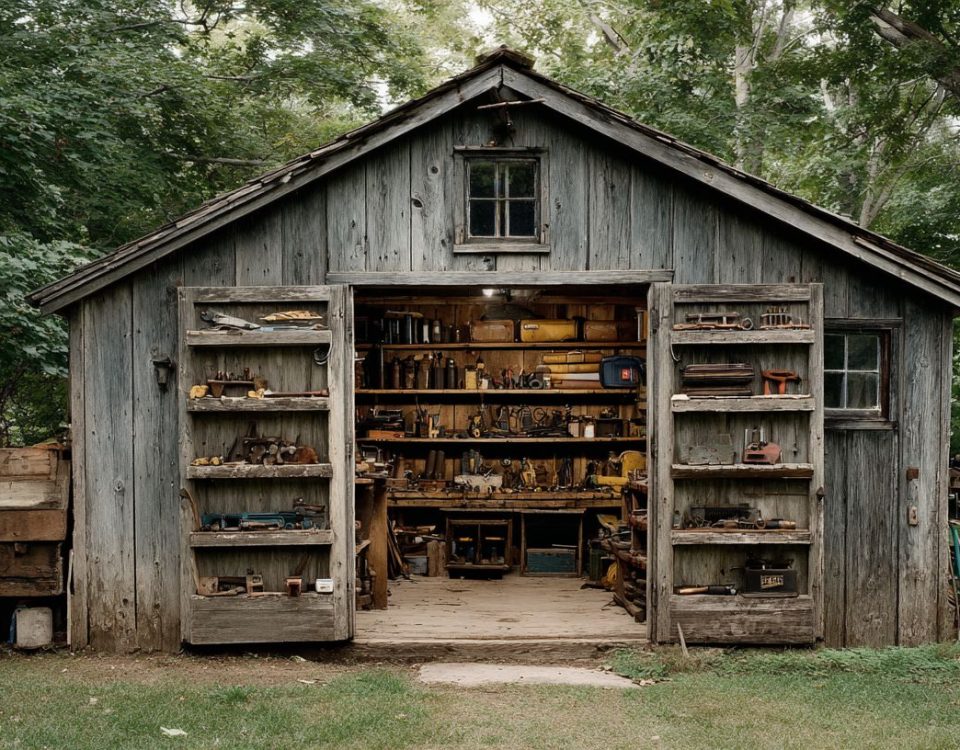
Is your garage overflowing with tools, turning every project into a frustrating search? As a trusted, locally established builder, we provide customizable, high-quality tool sheds designed to reclaim your space with lasting durability and ease.
Explore the best tool and supply shed options for Charlotte homeowners, including costs, sizes, materials, and expert selection tips. Learn about assembly, smart organization ideas, planning permissions, key benefits, and where to find reliable sheds engineered to last.
Ready to organize like a pro? Contact us today for a free consultation on your custom tool shed!
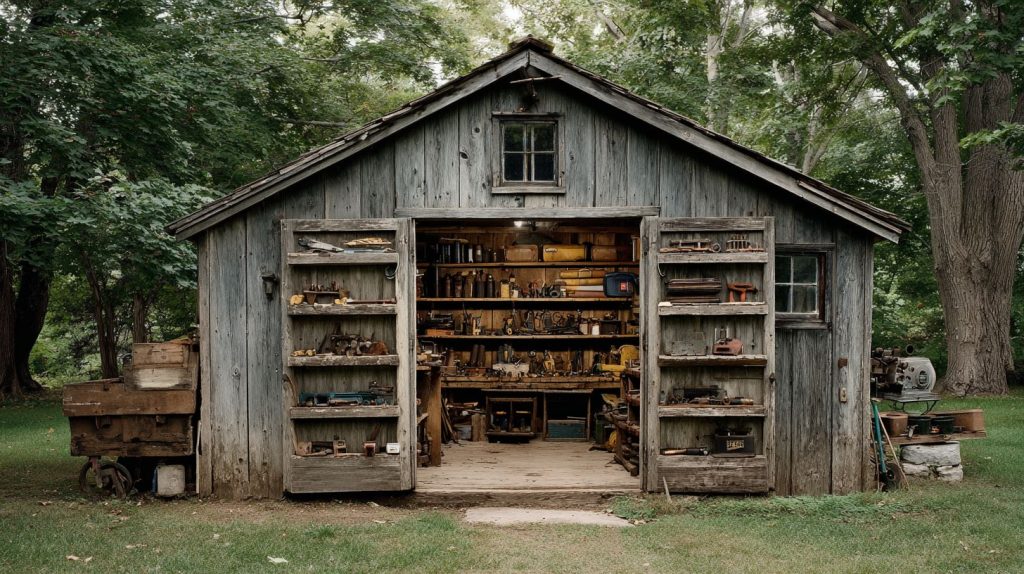
Tool Sheds Charlotte Homeowners Can Depend On
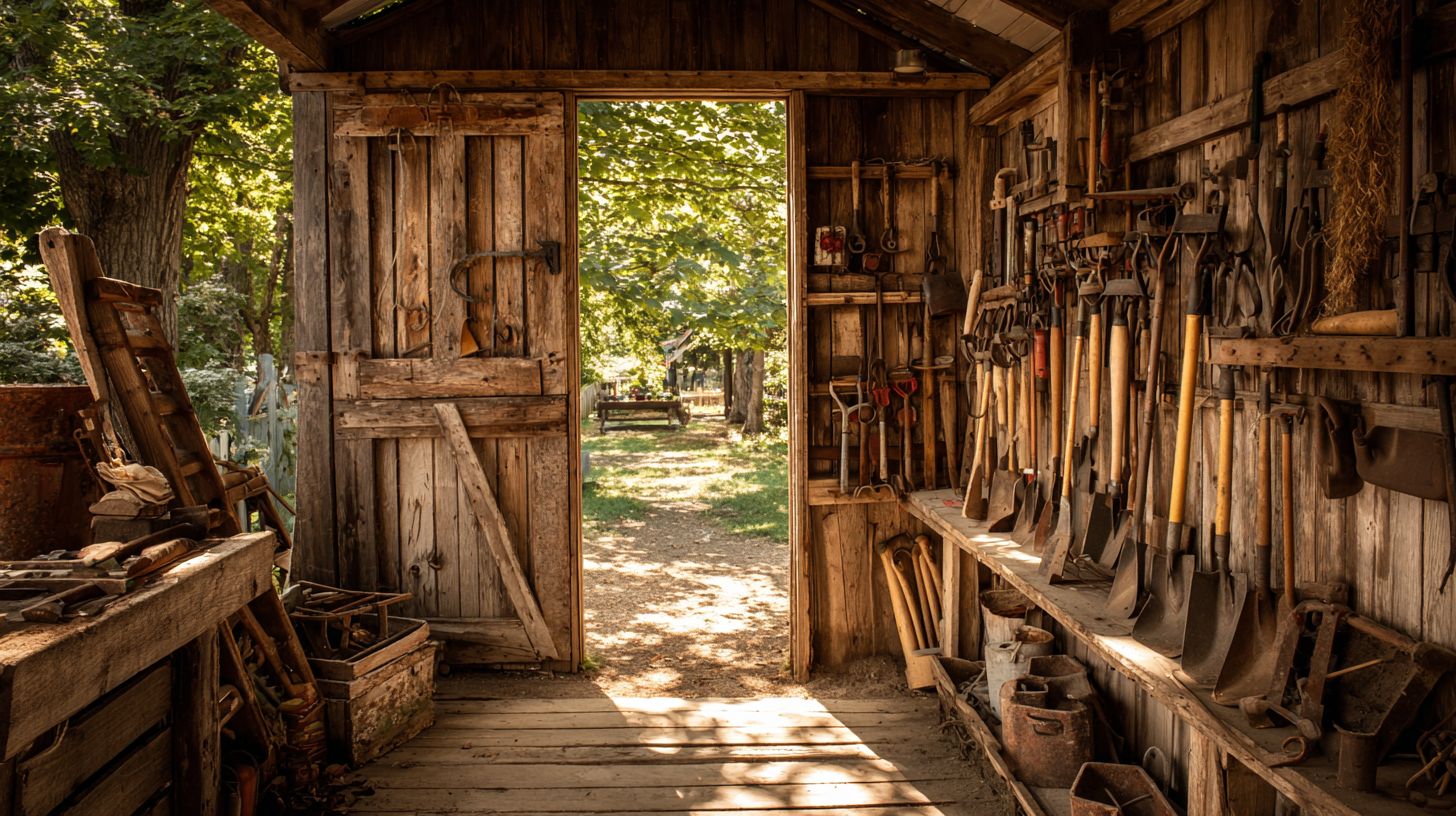
Available in sizes like 8×10, 10×12, and 11×21, each model can include a reinforced shed floor. Key features include shed doors with locks, shed windows for natural light, and shed ventilation to prevent moisture buildup. Add shed shelves or a shed workbench for tool organization. Use shed anchors on a gravel base or concrete slab for stability during installation.
Premium Sheds $2,000+ Investment
Premium features justify the cost through reinforced framing that withstands heavy winds and snow loads. Skylights bring in natural light, adding value for workshop tasks like sharpening a saw or assembling a drill press. Double doors provide easy access for wheelbarrows and ATVs.
Appraisal experts note these sheds boost home value significantly with durable construction. A double door shed enhances curb appeal and functionality for backyard storage. Consider adding shed anchors and shed locks for security.
Opt for skylights (often $300 standalone) and ridge vents for ventilation in your premium build. Pair with a concrete slab foundation for stability. These elements create a weatherproof shed ideal for long-term tool organization and outdoor storage.
Small Sheds (6×8 to 8×10)
Perfect for hand tools and seasonal gear, 8×10 sheds store wheelbarrow, mower, and 100+ tools. These small sheds offer 80-100 sq ft of space, fitting a 4×8 workbench plus shelves. They suit lots under 1/4 acre, keeping your backyard tidy.
Choose a wooden shed or metal shed for durability in tight spaces. Add shed shelves for garden tools like shovels, rakes, and hoes. A shed workbench handles power tools such as drills and saws.
Opt for shed kits or prefab sheds for quick assembly. Include shed doors with locks for security and shed windows for natural light. Experts recommend a shed foundation like gravel base or pier blocks to prevent shifting.
- Store lawn mower storage and wheelbarrow near the entrance.
- Use pegboards for hanging hammers, screwdrivers, and wrenches.
- Add shed ramps for easy mower access in a double door shed.
- Incorporate tool racks and bins for gardening equipment.
Large Sheds (10×12+)
12×16 sheds (192 sq ft) accommodate ATV storage, tractor, full workshop with 12ft workbench. These large sheds offer ample space for power tools, lawn mower storage, and gardening equipment. Owners often add shed shelves and tool racks for better organization.
Zoning laws vary by location, so check local regulations before building. Structures over 200 sq ft typically require a shed permit and may need site plan approval. Consult your city hall for specifics on setbacks and height limits.
Electrical needs include a 20-amp circuit for workshop shed lighting, power tools like drills and saws, and charging stations. Hire a licensed electrician for safe wiring to avoid hazards. Include outlets for extension cords and a power strip on the workbench.
Opt for shed foundations like concrete slabs or pier blocks for stability with heavy equipment. Add shed ramps for easy ATV access and double door sheds for convenience. Features like shed ventilation and insulation keep the space usable year-round.
Metal Sheds: Strength vs Rust Risk
Galvanized steel sheds resist rust 3x longer but need painting every 5 years in humid climates. These metal sheds offer superior strength for storing heavy items like lawn mowers and power tools. They stand up well to wind and impacts compared to plastic or wooden options.
Compare G90 galvanized steel to vinyl-coated versions for your tool shed. G90 provides a thick zinc layer for basic rust protection, ideal for dry areas. Vinyl-coated steel adds an extra barrier, reducing maintenance in wet conditions.
Dent resistance varies by gauge, with 24-gauge steel performing best against hail or falling branches. Thicker gauges like 24 handle daily use in a backyard shed without deforming. Pair this with proper shed anchors for added stability.
- G90 steel: Good for budget storage sheds, paint as needed.
- Vinyl-coated: Better for coastal spots, easier long-term care.
- 24-gauge panels: Top choice for heavy duty sheds with tools and equipment.
- Fire ratings: Metal outperforms wood, resisting flames longer for safety.
For shed maintenance, check walls yearly and apply rust-resistant paint. This keeps your garden shed secure for garden tools, chainsaws, and ladders. Experts recommend vinyl-coated for low-effort ownership.
Step 1: Measure Your Tool Inventory
List all items: mower (5x3ft), chainsaw (3ft), 50 hand tools = minimum 10×8 shed. Start by gathering every piece of gardening equipment and power tools you own. This step ensures your tool shed fits everything without clutter.
Create a printable inventory sheet to track dimensions. Note length, width, and height for each tool, like shovels at 5ft tall or drills at 1ft long. Add up the space for bulky items such as wheelbarrows or pressure washers.
Calculate volume needs by multiplying dimensions and summing totals. For example, a lawn mower needs about 15 cubic feet, while racks for hand tools like hammers and wrenches add another 20 cubic feet. Aim for a storage shed at least 20% larger to allow for walkways and future additions.
| Tool | Length (ft) | Width (ft) | Height (ft) | Notes |
|---|---|---|---|---|
| Lawn mower | 5 | 3 | 3 | Large, needs ramp access |
| Chainsaw | 3 | 1 | 1 | Wall mount recommended |
| Hedge trimmer | 4 | 0.5 | 1 | Hang on pegboard |
| Wheelbarrow | 5 | 2 | 2 | Corner storage |
| Shovel | 5 | 1 | 0.5 | Vertical rack |
| Rake | 6 | 1 | 0.5 | Bundle together |
| Hoe | 5 | 1 | 0.5 | Tool rack |
| Drill | 1 | 0.5 | 0.5 | Cabinet shelf |
| Saw | 2 | 0.5 | 0.5 | Wall hook |
| Wrench set | 1 | 0.5 | 0.5 | Drawer storage |
| Hammer | 1 | 0.5 | 0.5 | Pegboard |
| Screwdriver set | 1 | 0.5 | 0.5 | Holder |
| Pressure washer | 3 | 1.5 | 2 | Clearance for hose |
| Ladder | 8 | 2 | 0.5 | Ceiling hooks |
| Bike | 6 | 2 | 4 | Wall rack option |
| Firewood stack | 4 | 4 | 4 | Dry area needed |
| Pots and seeds | 2 | 2 | 3 | Shelves |
| First aid kit | 1 | 0.5 | 0.5 | Wall mount |
| Extension cords | 2 | 1 | 1 | Reel storage |
| Safety gear | 2 | 1 | 2 | Hooks and bins |
Print this table as your inventory sheet template for 20 common tools. Adjust measurements based on your actual items to find the right shed size, such as a small 8×6 shed or larger 10×12 for more lawn mower storage.
Step 2: Site Assessment & Foundation Planning
Level 4x4ft area with 4″ gravel base or 4″ concrete slab prevents most settling issues. Start by checking your yard for a flat spot away from low-lying areas. This keeps your tool shed stable and dry over time.
Assess soil type and drainage during site evaluation. Test by digging a small hole and pouring water in to see how fast it drains. Choose spots with good sunlight for a garden shed or shaded areas for power tools storage.
Plan the shed foundation based on shed size and local zoning laws. Measure precisely and mark boundaries with stakes. Factor in space for shed doors, shed ramps, and access paths.
Compare foundation options using the table below. Each suits different backyard shed needs like a wooden shed or metal shed.
Declutter + Home Value Increase
Quality tool sheds add $12,500 average resale value while freeing 200+ garage sq ft, according to Realtor.com data. A well-placed backyard shed clears space for vehicles and creates room inside your home. This simple step transforms cluttered garages into functional areas.
Real estate agent Lisa Torres says, “Sheds signal a well-maintained property, often leading to higher offers.” Integrate shed workbench areas for power tools or garden tools. This setup not only declutters but also positions your home for top dollar at resale.
Professional Installation Services
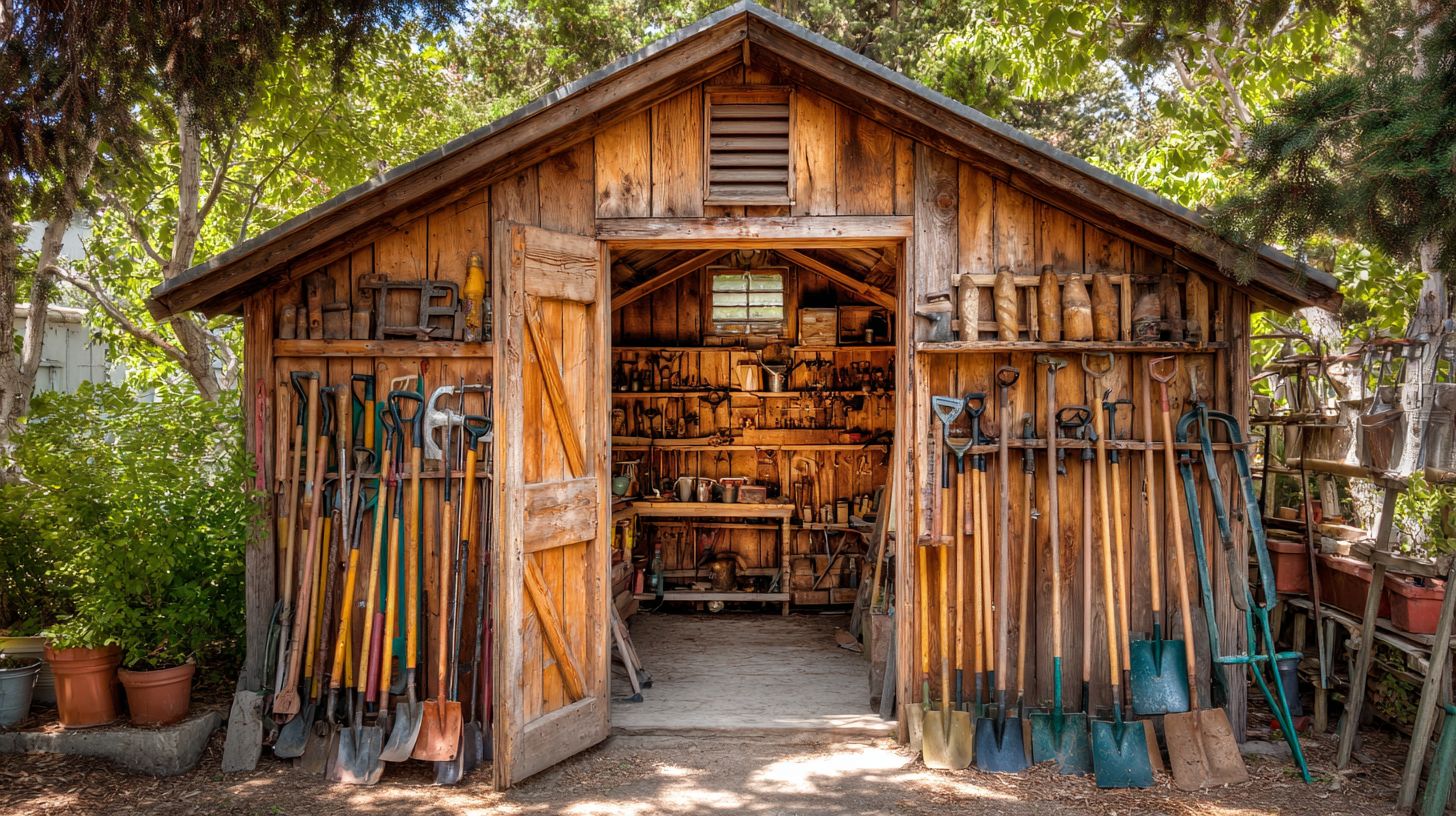
Hire certified installers for $1,200 on a 10×12 tool shed guaranteeing code compliance. Our experts handle everything from site prep to final anchoring. You avoid common pitfalls like uneven shed foundations or improper shed assembly.
Compare DIY vs pro installation: professionals finish in about 4 hours, while DIY often takes 10 hours or more with tool rentals costing $150. Pros bring specialized gear for shed floors, walls, and roofs, ensuring stability. This saves time for busy homeowners setting up backyard sheds.
Professionals excel at custom details like installing shed doors, windows, and ventilation. They secure shed anchors against wind and add locks for safety. Your storage shed stands firm for years with minimal hassle.
Wall Storage Systems (Pegboard + Slatwall)
4×8 pegboard panels store 200+ tools using $25 hook assortment from Home Depot. These systems maximize tool shed wall space for efficient organization. Pair them with slatwall for heavier items in your backyard shed.
Pegboards work well for hammers, screwdrivers, and pliers. Slatwall panels hold power tools securely on shed walls. Both options suit wooden sheds or metal sheds with proper anchors.
20-hook configurations organize tools by type. Use these setups for saws, drills, and hammers in your workshop shed. Customize for garden tools or lawn mower storage accessories.
- Saws: 5 large J-hooks for circular saws, 4 medium hooks for handsaws, 3 small notches for coping saws.
- Drills: 4 angled holders for cordless drills, 3 straight pegs for impact drivers, 2 bins for bits.
- Hammers: 6 claw hammer slots, 4 ball-peen holders, 3 sledge slots, 2 mallet pegs.
- Expand with 20 total hooks: Add wrench racks and screwdriver loops for hand tools.
Installation starts with measuring shed walls. Mount furring strips every 16 inches for stability. Secure panels with screws into studs on your shed foundation or shed floor.
| System | Weight Capacity per Panel | Best For |
|---|---|---|
| Pegboard | 50 lbs distributed | Light hand tools like shovels, rakes |
| Slatwall | 75 lbs per linear foot | Heavy power tools, hedge trimmers |
| Hybrid | 100 lbs total | Garden shed organization with ladders |
Follow these steps for setup: Clean shed walls, level panels, insert hooks firmly. Test weight before full load. Add labels for quick tool access in your utility shed.
Workbench + Mobile Cabinets Setup
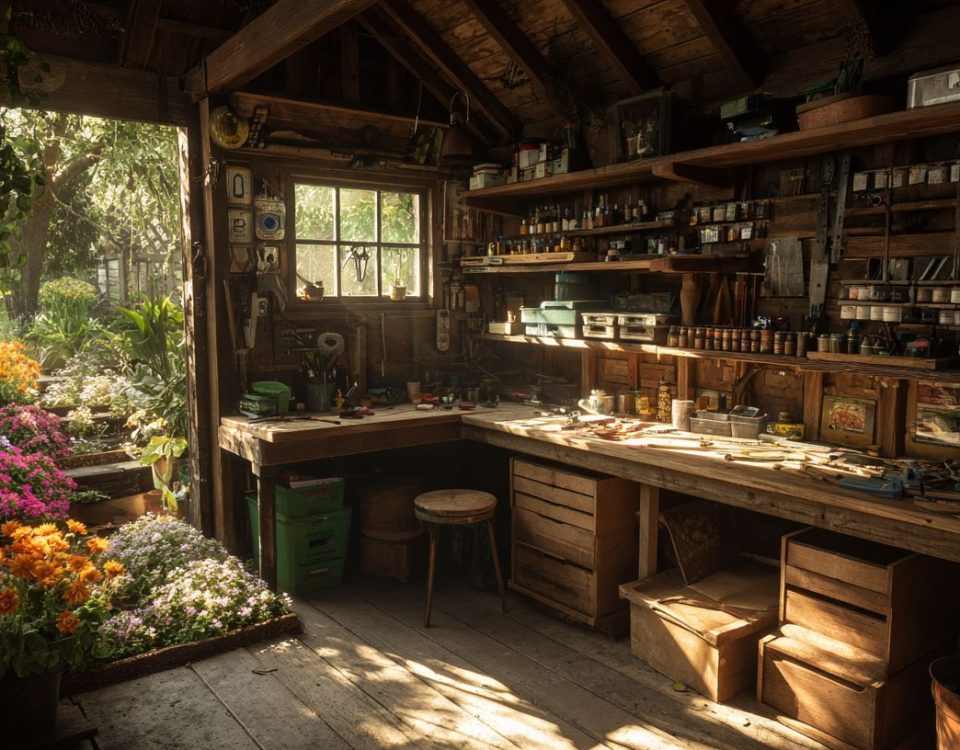
An 8ft workbench with a 26-drawer rolling cabinet stores 300+ small parts with easy access. This setup turns your tool shed into an efficient workshop. Pair it with mobile cabinets for flexibility in a backyard shed or garden shed.
Recommend the Husky 52″ cabinet at $349, combined with the top chest combo. It offers durable drawers for power tools, hand tools, and garden tools like screwdrivers, wrenches, and shovels. The rolling design moves easily across your shed floor.
Add a Brother P-Touch labeler for a clear labeling system. Label bins for hammers, saws, drills, and extension cords to find items fast. This keeps your storage shed organized and reduces clutter on the shed workbench.
Mount a workbench vise on the 8ft surface for securing lumber or metal. Integrate pegboards and tool racks nearby for rakes, hoes, and chainsaws. This mobile setup suits DIY shed projects or workshop shed use.
What sizes of tool sheds are available?
Standard tool shed sizes range from compact 6×8 (48 sq ft) to spacious 12×20 (240 sq ft), with 10×12 (120 sq ft) as the most popular homeowner choice. These dimensions help match your storage needs to available backyard space. Consider your garden tools, power tools, and lawn mower storage when selecting.
A small shed like 6×8 works well for basic hand tools such as hammers, screwdrivers, and shovels. It offers enough room for a few shelves and bins. Larger options like 10×12 fit a lawnmower plus workbench and up to 200 tools with pegboards for organization.
Before buying, check local zoning laws and shed permits. Most areas require sheds to sit at least 4 feet from property lines. This clearance ensures easy access for shed doors and maintenance.
Custom sheds or shed kits allow flexibility in size. Prefab sheds from brands like Arrow Shed or Lifetime Shed come in standard sizes. Measure your space and visualize tool racks or a potting bench inside.
| Size | Sq Ft | Stores | Best For | Example Models |
|---|---|---|---|---|
| 6×8 | 48 | Hand tools, shovels, rakes | Small yards, basic garden tools | Arrow Shed, Rubbermaid Shed |
| 8×10 | 80 | Lawnmower, workbench, 100 tools | Moderate storage, workshop shed | Lifetime Shed, Dura-Max Shed |
| 10×12 | 120 | Lawnmower + workbench + 200 tools | Homeowners, power tools, bike storage | Heartland Shed, Lowes Sheds |
| 12×16 | 192 | Tractor, ATV storage, full workshop | Large backyards, heavy duty shed | Home Depot Sheds, Costco Sheds |
| 12×20 | 240 | Multiple mowers, firewood storage | Utility shed, pool equipment | Custom Sheds, Prefab Sheds |
Zoning Clearance for Tool Sheds
Place your backyard shed at least 4 feet from property lines to meet common zoning rules. This distance allows space for shed anchors, ventilation, and access to shed windows. Always verify local shed permit requirements first.
Visualize a simple diagram: your house, neighbor’s fence, and shed positioned with 4ft buffers on sides and rear. Front setbacks may need more room for double door sheds or ramps. This setup prevents disputes and eases shed installation.
For lean-to sheds or gable roof sheds, align with property orientation. Use gravel base or concrete slab within these limits. Professional installation ensures compliance for wooden sheds or metal sheds.
What materials are tool sheds made from?
Wooden sheds offer a natural look for backyard sheds. They allow customization like adding shed shelves or a shed workbench. Regular shed maintenance keeps them strong against weather.
Metal sheds provide rust-resistant options for heavy duty storage. They work well for ATV storage or tractor shed uses. Quick assembly makes them popular for prefab sheds.
Vinyl sheds resist moisture for outdoor storage. They fit small shed sizes in tight spaces. Pair them with shed anchors for stability on any foundation.
| Material | Lifespan | Maintenance | Cost/SqFt | Climate Best | Examples |
|---|---|---|---|---|---|
| Wood | 15-25 years | Annual stain/sealant; inspect for rot quarterly | $18-25 | Temperate, dry areas | Cedar shed, pressure treated shed |
| Metal | 20+ years | Check paint yearly; clean rust spots monthly in humid areas | $12-20 | Hot, dry climates | Arrow shed, Dura-Max shed |
| Vinyl | 20+ years | Wipe clean biannually; UV protectant optional | $20-28 | All climates, especially variable weather | Heartland shed, composite shed |
For workshop sheds, wood allows shed windows and shed ventilation. Add shed locks to any type for secure chainsaw or pressure washer storage.
How to choose the right tool shed for your needs?
Match shed size to inventory, such as measuring a mower at 24×48 inches that needs an 8-foot door, climate to material, and budget to features using our 5-step checklist. This approach ensures your tool shed or garden shed fits perfectly for lawn mower storage and gardening equipment. Start with a clear plan to avoid common mistakes.
Begin by auditing your tools and equipment. List everything from power tools like drills and chainsaws to hand tools such as hammers and shovels. Consider space for a wheelbarrow, pressure washer, or even bike storage.
Next, measure your available space with extra clearance. Factor in shed doors, shed ramps for easy access, and room for a shed workbench. This prevents overcrowding in your backyard shed.
Our numbered framework guides you through these steps. It covers budget, climate, and key features like shed shelves or lofts. Download the inventory template to get started on your storage shed selection.
1. Conduct an Inventory Audit
Start your tool shed choice with a full inventory audit. Make a detailed list of all items, aiming for 50+ tools if you have a large collection. Include garden tools like shovels, rakes, and hoes alongside power tools such as saws, drills, and hedge trimmers.
Group items by type for better tool organization. Note bulky gear like lawn mowers, wheelbarrows, or ladders that demand lawn mower storage space. This audit reveals if you need a small shed, large shed, or something like a double door shed.
Use our free inventory template to catalog everything systematically. Add notes on frequency of use and storage needs, such as racks for chainsaws or bins for seed storage. This step matches your workshop shed to real demands.
Experts recommend prioritizing safety gear storage too. Include spots for first aid kits, fire extinguishers, and pest control items. A thorough audit prevents underestimating space for shed accessories like tool racks and pegboards.
2. Measure Your Available Space
After your inventory, measure your space precisely. Add at least 2 feet of clearance around the shed footprint for doors, walkways, and maintenance access. Account for shed foundation options like gravel base or concrete slab.
Check yard dimensions and obstacles like trees or fences. Ensure room for shed ramps if storing heavy items like ATVs or tractors in a tractor shed. Wide shed doors on a lean-to shed or gable roof shed make loading easier.
Visualize internal layout with shed shelves, tool cabinets, and workbench space. Test fit a sample mower or ladder to confirm. This measurement ensures your backyard shed integrates without wasting yard area.
Consider future needs like firewood storage or pool equipment shed expansions. Accurate measurements guide choices between shed kits, prefab sheds, or custom sheds.
3. Set a Realistic Budget Cap
Establish a budget cap that includes a 20% buffer for installation. Factor in costs for shed foundation, shed anchors, and professional setup if needed. Basic plastic sheds or metal sheds start affordable, while wooden sheds add premium appeal.
Weigh options like vinyl sheds, cedar sheds, or composite sheds against your funds. Add extras such as shed windows, shed lighting, or electrical wiring. This keeps your utility shed practical without overspending.
Compare shed brands for value, focusing on heavy duty sheds with rust-resistant features. Include ongoing costs like shed paint, shed stain, or shed sealant for maintenance. A smart budget supports long-term outdoor storage.
Plan for permits and zoning laws too. This buffer covers surprises in shed installation, ensuring your DIY shed or pro-built one stays on track.
4. Check Your Local Climate
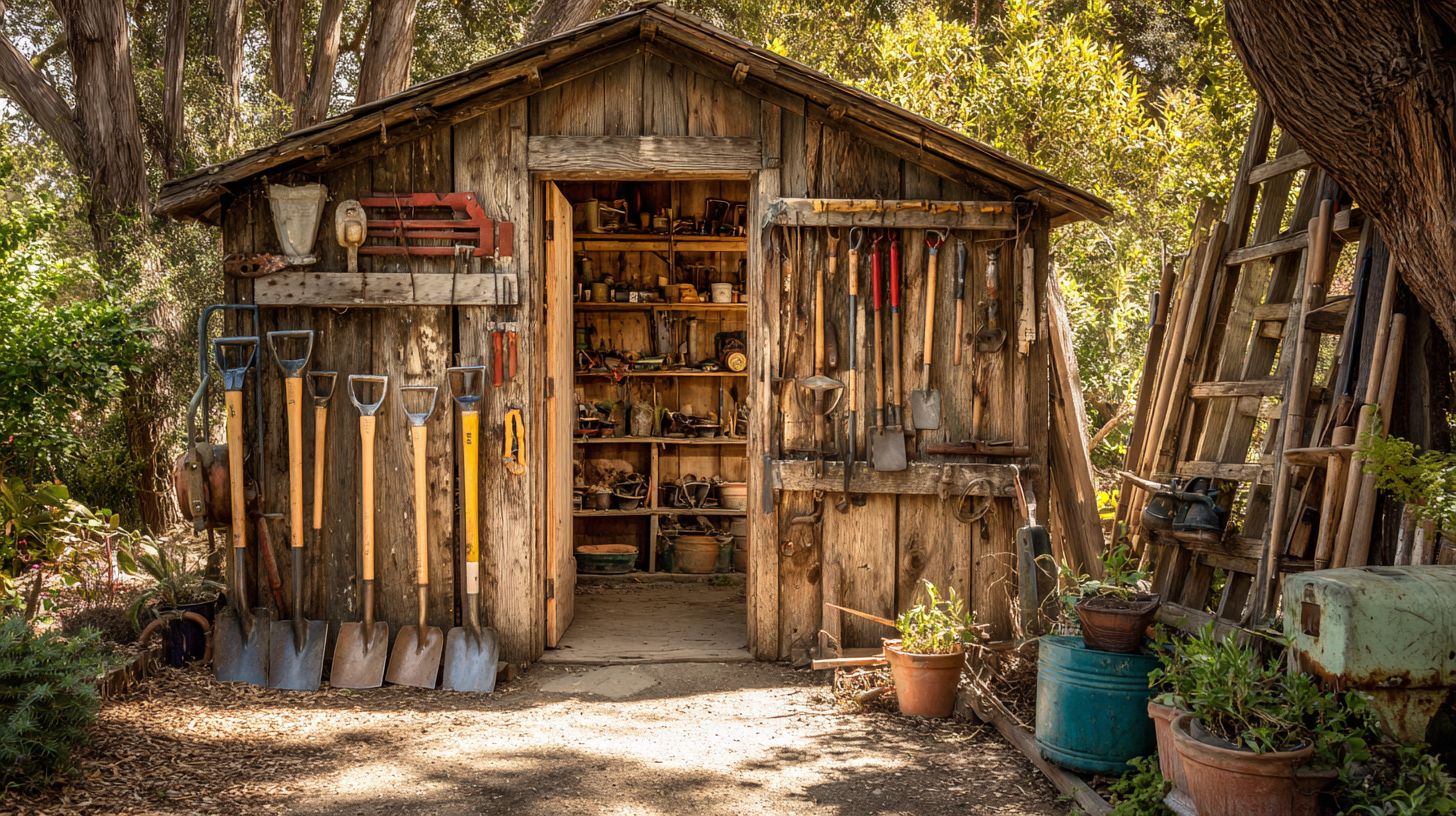
Assess your climate conditions to pick durable materials. Hot, humid areas suit metal sheds or sheds with shed ventilation and moisture control. Cold winters call for insulated pressure treated sheds or those with shed roof snow load capacity.
Choose weatherproof sheds like gambrel roof or saltbox designs for rain and wind. Add ridge vents, gutters, and downspouts for water management. Rust-resistant sheds prevent corrosion in wet climates.
Consider shed insulation, heating, or cooling for year-round use. Features like dehumidifiers or rodent proofing protect tools. Match your greenhouse shed to regional weather patterns.
Local experts recommend anchors for high winds. This climate check ensures your storage shed withstands elements while safeguarding gardening equipment.
5. Prioritize Essential Features
Rank feature priorities based on your needs, such as lofts for ladder storage or electrical outlets for charging stations. Opt for shed workbench with vise, power strips, or solar lights in a workshop shed. Secure with shed locks and wall hooks.
Focus on tool organization systems like pegboards, bins, drawers, and cord reels. Include shed floors with epoxy coating or rubber mats for durability. Shed ramps aid heavy loads like pressure washers.
Add motion sensor lights, skylights, or air circulation for comfort. Customize with potting bench or shed shelves for seeds and safety gear. These elevate your tool shed functionality.
Balance must-haves with budget. Prioritizing features creates an efficient backyard shed tailored to your tools and lifestyle.
Do you need planning permission for a tool shed?
Most sheds under 120 sq ft, like a standard 10×12 tool shed, need no permit, but check local zoning since rules vary by city. Guidelines differ by state or region, so always verify with your county office before installing a backyard shed or garden shed. This helps avoid fines and ensures your storage shed complies with zoning laws.
Permit costs typically range from $50 to $250, depending on your location and shed size. Submit plans showing shed foundation, shed doors, and setbacks from property lines.
Avoid these three common violations: placing a large shed too close to property lines, skipping shed ventilation requirements, and ignoring height limits on gable roof sheds. Use your local zoning lookup tool to confirm rules for shed installation. This keeps your outdoor storage project smooth and legal.
What are the benefits of owning a tool shed?
Reclaim 200sqft garage space, boost home value 5-8% ($15K average), and cut tool search time 85% per homeowner surveys. A tool shed transforms cluttered garages into functional spaces. It offers dedicated outdoor storage for garden tools, power tools, and lawn mowers.
Owners gain an average of 240sqft by moving items to a backyard shed. This frees up room for vehicles or a home gym. Consider a wooden shed or metal shed to match your needs for durability and style.
Home value sees a strong ROI of 7.2% per NAR with additions like a storage shed. Features such as shed shelves, tool racks, and shed workbench enhance appeal. Buyers appreciate organized lawn mower storage and gardening equipment setups.
Safety improves as tools stay locked away in a secure double door shed or single door shed. Shed locks and shed anchors prevent access by kids or thieves. Organization lets you find tools 4x faster with pegboards and bins.
Before and After: Garage Transformation
Before adding a tool shed, garages overflow with shovels, rakes, and chainsaws. Tools scatter across floors, blocking cars. Dust and pests add to the mess.
After installing a shed, garages shine. Power tools hang on wall hooks, hand tools sit in drawers. Space opens for bikes or workshop areas.
Visualize a cluttered before photo: piles of hedge trimmers and pressure washers. The after shows a clean garage beside a neat workshop shed with shed lighting and ventilation.
Space and Value Gains
A garden shed reclaims precious garage real estate. Average users report 240sqft freed up for daily use. Opt for a large shed to store wheelbarrows and ladders too.
Boost curb appeal with a cedar shed or vinyl shed. It yields 7.2% home value ROI, attracting buyers. Add shed windows and shed paint for a polished look.
Safety, Organization, and Longevity
Lock power tools in a rust-resistant shed for family safety. Shed doors with heavy-duty locks keep items secure. Include safety gear storage for gloves and goggles.
Tool organization systems like pegboards speed access 4x faster. Label bins for screws and nails. A shed workbench centralizes tasks.
Weatherproofing extends tool life 3x longer. Use shed roof with gutters and shed sealant. Ventilation and dehumidifiers fight moisture in any backyard shed.
Where to buy a high-quality tool shed?
Look for sheds with features like shed doors, shed windows, and shed roofs that match your space. Retailers carry popular types including double door sheds, lean-to sheds, and gable roof sheds. Check for shed accessories like tool racks and pegboards to enhance organization.
Practical advice includes verifying shed size options from small sheds to large sheds. Ensure compatibility with garden tools, power tools, and lawn mower storage. Read shed reviews to pick heavy duty sheds or affordable sheds that last.
Get in touch with Barnyard Utility Buildings today to ensure you get high quality construction from professional shed builders and capitalize on customization options to bring your vision to life.
How to organize tools in a shed?
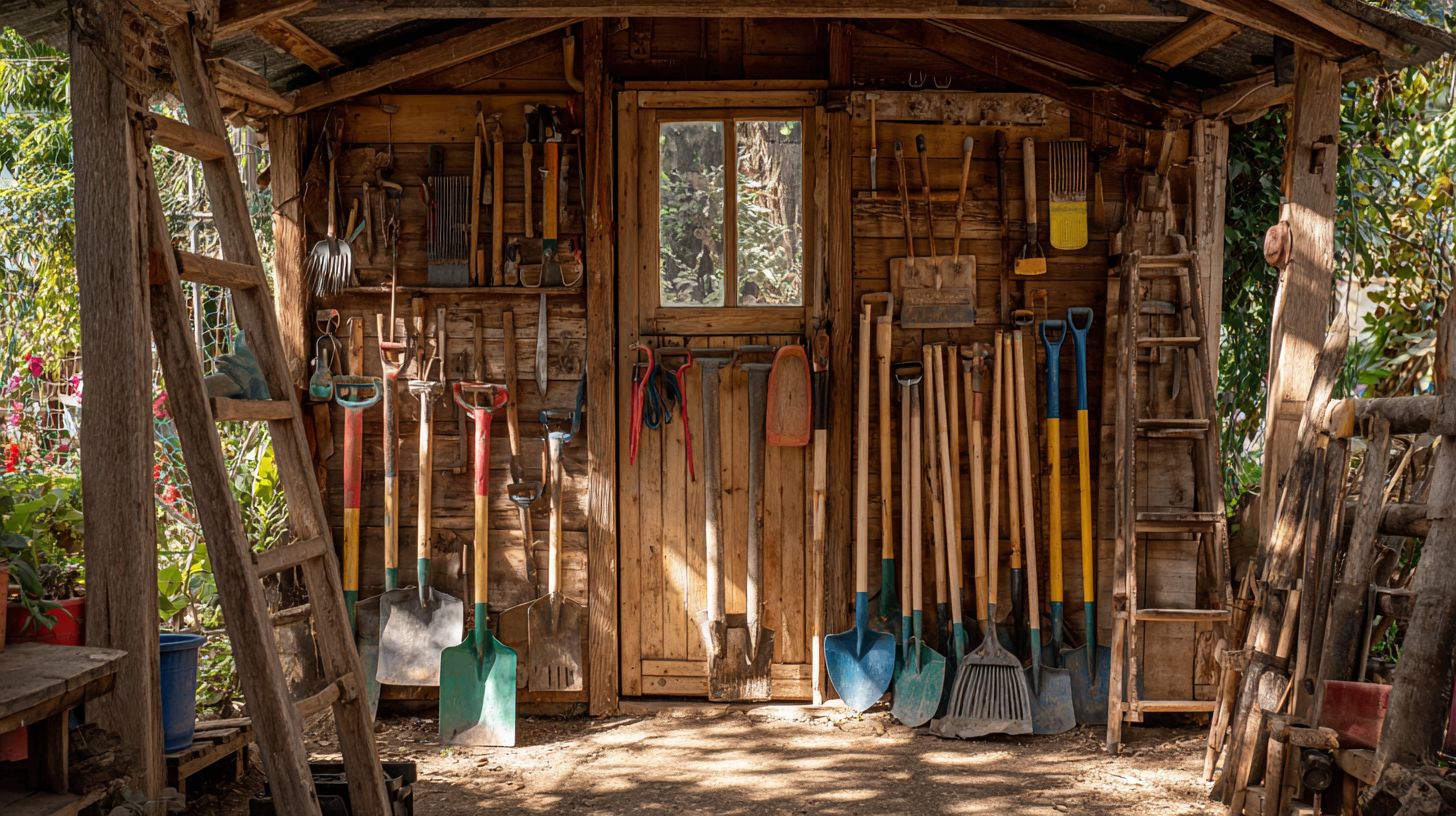
Maximize 120sqft shed space with wall-mounted pegboards, overhead racks, and labeled bins finding tools 4x faster. This setup turns a cluttered tool shed into an efficient workshop shed. You gain easy access to power tools, hand tools, and gardening equipment.
Divide your storage shed into zones for better flow. Assign one wall for power tools, use pegboard for hand tools, and store seasonal gear in the loft. Label everything to spot a shovel or drill quickly.
Key items include a pegboard kit, sturdy workbench, bin organizer, and tool racks. Mount these in a backyard shed of any size, from small to large. This system works for wooden sheds, metal sheds, or plastic sheds.
Experts recommend starting with a simple sketch of your shed walls and shed floor. Test placements before installing to fit lawn mower storage or wheelbarrow spots. Regular tweaks keep the space functional year-round.
Zone Layout Diagram
Picture your tool shed divided into clear zones. The power tools wall holds heavy items like chainsaws and pressure washers on sturdy racks. This keeps the shed floor clear for movement.
A hand tools pegboard covers one side for hammers, screwdrivers, and wrenches. Hooks and shelves organize small parts without wasting space. The loft above stores seasonal gear like snow shovels or holiday decor.
| Zone | Location | Items |
|---|---|---|
| Power Tools Wall | Back wall | Drill, saw, hedge trimmer, extension cords |
| Hand Tools Pegboard | Side wall | Hammer, wrench, screwdriver, pliers |
| Seasonal Gear Loft | Overhead | Shovel, rake, ladder storage, firewood |
This layout suits shed kits or prefab sheds. Adjust for shed doors and shed windows to maintain access. Add shed shelves for extra bins if needed.
Recommended Shopping List
Build your shed organization system with these essentials. Start with basics that fit most garden sheds or utility sheds. They mount easily on shed walls.
- Pegboard kit ($49): Covers 4×8 feet for hand tools and small gear.
- 72″ workbench ($179): Provides a stable surface for projects and repairs.
- 48-bin organizer ($89): Sorts screws, nails, and bits with clear labels.
- Tool racks ($39): Holds power tools securely off the floor.
These items create a complete setup for tool racks, pegboards, and storage. Pair with wall hooks and label makers for full control. Use in a workshop shed alongside a shed workbench.
Focus on durable options for weatherproof sheds. Install near shed lighting or a power strip for convenience. This list supports DIY shed organization without excess spending.
Frequently Asked Questions
What are tool sheds and why are they useful?
Tool sheds are small storage buildings designed specifically for housing tools, gardening equipment, lawnmowers, and other outdoor gear. They are useful for keeping your tools organized, protected from weather elements, and easily accessible, preventing clutter in your garage or home while extending the lifespan of your equipment.
How do I choose the right size tool shed for my property?
When selecting tool sheds, consider the amount and size of tools you need to store, available yard space, and future needs. Measure your largest items like lawnmowers, and add extra space for walkways and shelving. Common sizes for tool sheds range from 4×6 feet for small setups to 10×12 feet for larger collections.
What materials are best for building or buying tool sheds?
Tool sheds come in various materials: wood offers a natural aesthetic and customization; metal provides durability and low maintenance against pests. Choose based on your climate-metal or plastic for wet areas, wood for dry regions-and ensure it has proper ventilation and flooring to protect tools.
How can I organize my tool shed efficiently?
To organize tool sheds effectively, install wall-mounted pegboards, shelves, and hooks for hanging tools. Use stackable bins for small items, label everything, and create zones for frequently used versus seasonal gear. Good lighting, such as LED strips, and a workbench will make your tool shed more functional and safe.
What are common maintenance tips for tool sheds?
Regular maintenance for tool sheds includes checking the roof and foundation for leaks or shifts annually, applying sealant to wood sheds, cleaning gutters, and treating metal ones for rust. Keep the interior dry with dehumidifiers if needed, and inspect doors and locks to ensure security for your valuable tools.
Do I need a permit to install a tool shed on my property?
Permits for tool sheds depend on local zoning laws, shed size, and location. Many areas require permits for tool sheds over 100-200 square feet or those closer than 5-10 feet to property lines. Always check with your local building department before installation to avoid fines and ensure compliance.