Playhouse Sheds Charlotte NC
May 4, 2026
Home Office Sheds Charlotte NC
May 18, 2026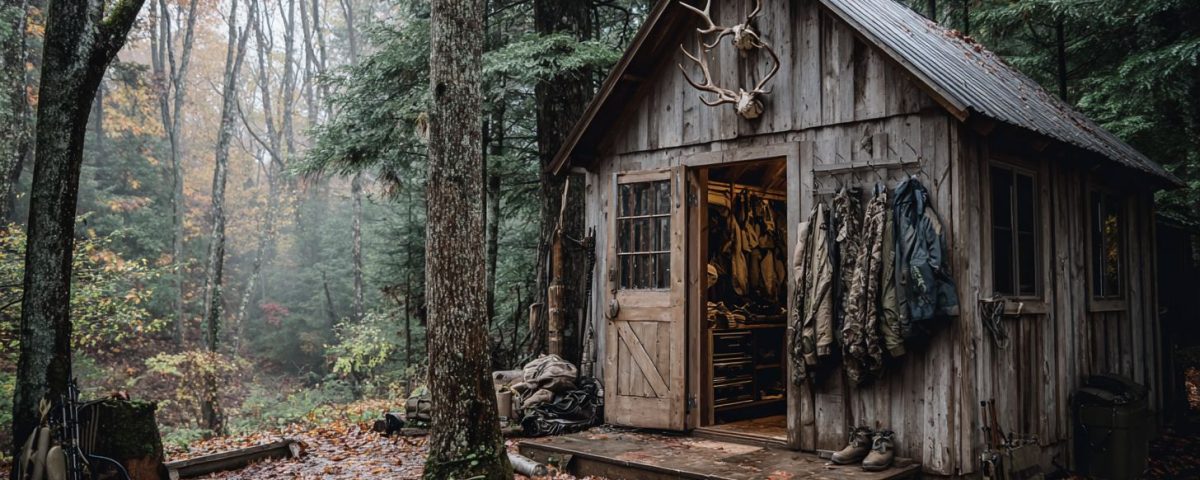
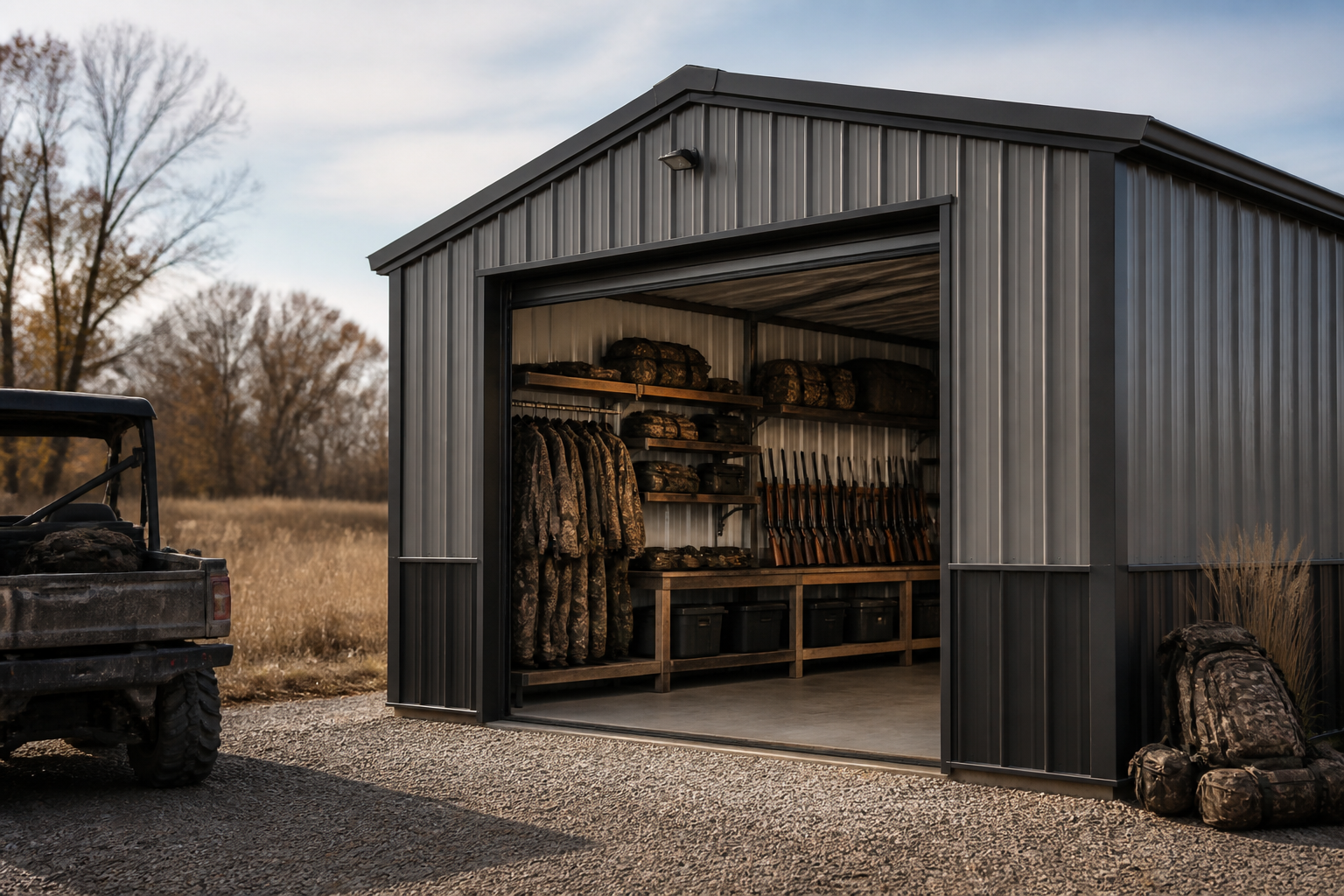
For outdoor enthusiasts and hunters in the Charlotte, NC, region, proper storage for gear, equipment, and even game processing can be a significant challenge. A dedicated hunting shed offers the perfect solution, providing a secure, weather-resistant, and organized space right on your property. This post explores the many benefits and considerations for investing in a high-quality hunting shed designed to meet your specific needs in the Carolinas.
Key Insights
Customization is Key – A hunting shed should be tailored to your specific gear, activities, and local climate conditions to maximize functionality and longevity.
Durability Matters – Choosing between wood and metal constructions offers different advantages in terms of aesthetics, maintenance, and long-term resilience against weather and pests.
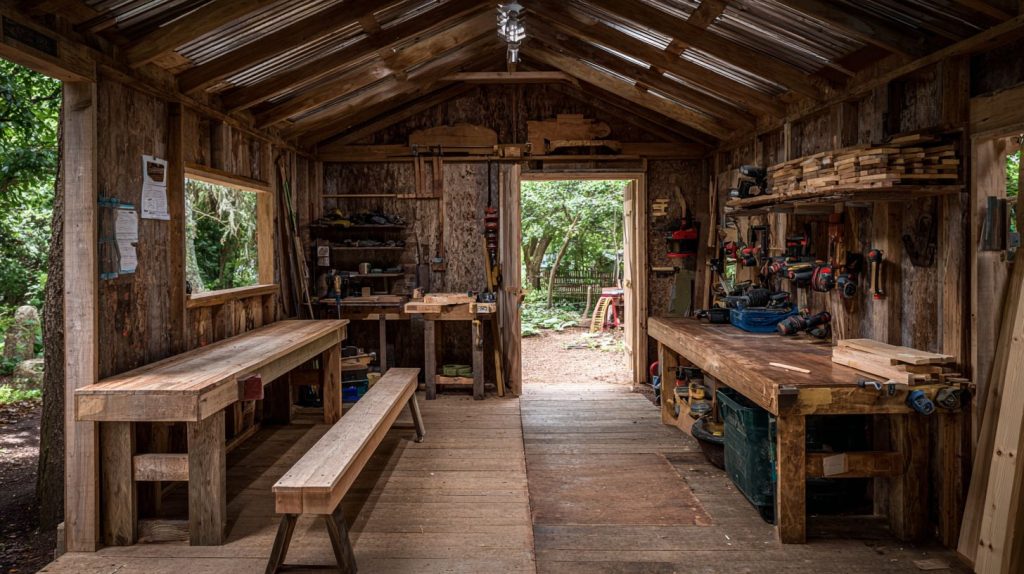
Beyond Storage – These structures can serve multiple purposes, from a workshop for gear maintenance to a secure space for ATVs or small game processing areas.
Local Regulations are Crucial – Always check with local Charlotte zoning laws and HOA guidelines before planning any outdoor structure to ensure compliance and avoid issues.
Enhance Security and Organization – A dedicated shed provides superior protection for valuable hunting equipment and helps keep your home and garage clutter-free.
Why Invest in Hunting Sheds Charlotte NC?
Hunters understand the value of their equipment, from firearms and bows to specialized clothing and ATV’s. Leaving these items exposed to the elements or crammed into a garage can lead to damage, disorganization, and premature wear. Hunting Sheds Charlotte NC provide a dedicated, secure, and easily accessible space that preserves your investments and enhances your hunting experience. Whether you need a place to store decoys, camouflage, tree stands, or even a processing station for your harvest, a purpose-built shed can dramatically improve your outdoor workflow.
Security and Protection for Your Gear
Valuable hunting equipment requires robust security. A quality shed can be equipped with reinforced doors, sturdy locks, and even alarm systems to deter theft. Furthermore, protection from the elements is paramount. Extreme temperatures, humidity, and precipitation can degrade materials, rust metal components, and foster mold growth on fabrics. A well-constructed shed ensures your gear remains in optimal condition, ready for your next excursion.
Organization and Efficiency
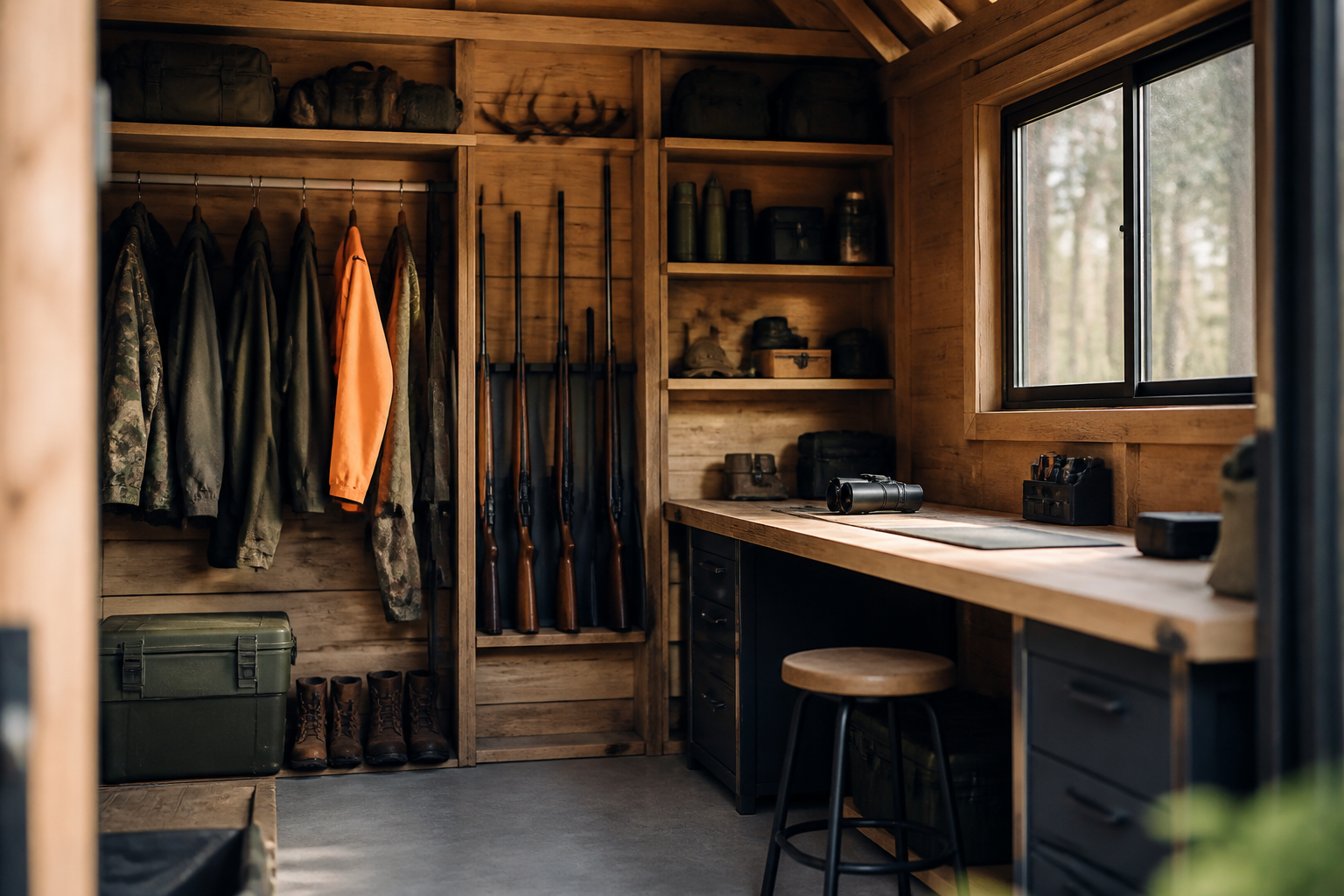
Imagine knowing exactly where every piece of your hunting kit is located, organized and ready to go. A hunting shed allows for custom shelving, hooks, workbenches, and specialized storage solutions for various items. This level of organization not only saves time when preparing for a hunt but also extends the life of your gear by preventing damage from improper storage. For instance, storing scent-sensitive gear separately helps maintain its effectiveness.
Choosing the Right Type of Structure
When considering hunting sheds Charlotte NC, you have several material and style options, each with distinct advantages. Your choice will depend on your budget, aesthetic preferences, and specific functional requirements.
Robust Metal Buildings Charlotte: Durability and Low Maintenance
For those prioritizing extreme durability and minimal maintenance, metal buildings Charlotte are an excellent choice. These structures are highly resistant to rot, pests, and fire, offering superior long-term protection. Metal storage sheds Charlotte NC are also quick to install and can withstand harsh weather conditions, making them ideal for areas exposed to strong winds or heavy rain. They can be customized with various colors and finishes to blend with your property.
Classic Wood Sheds Charlotte NC: Versatility and Aesthetic Appeal
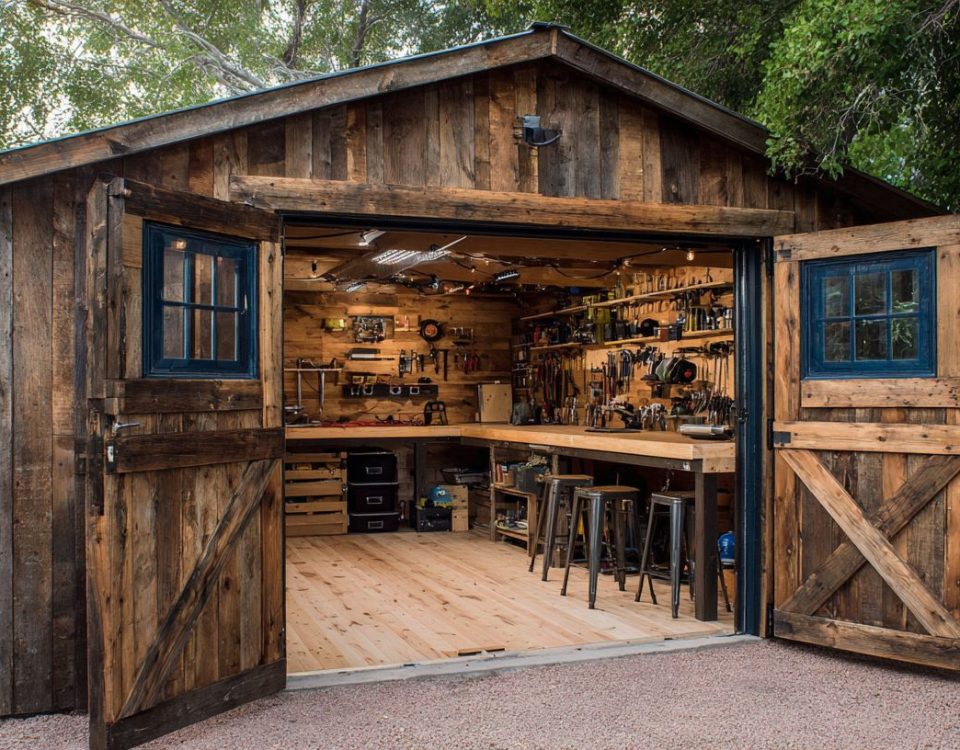
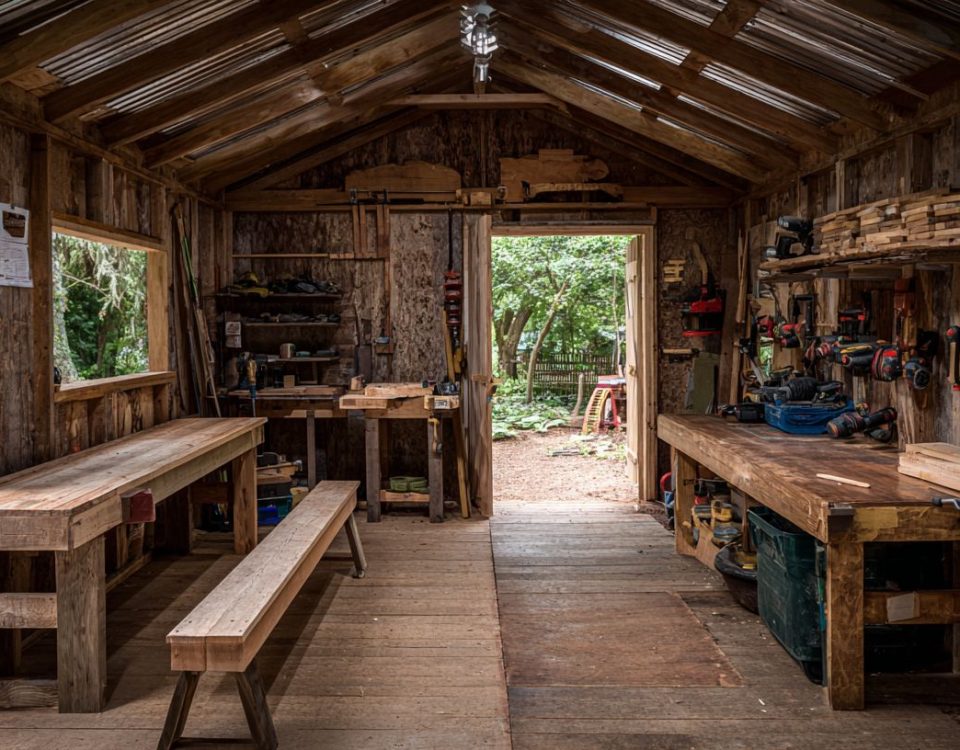
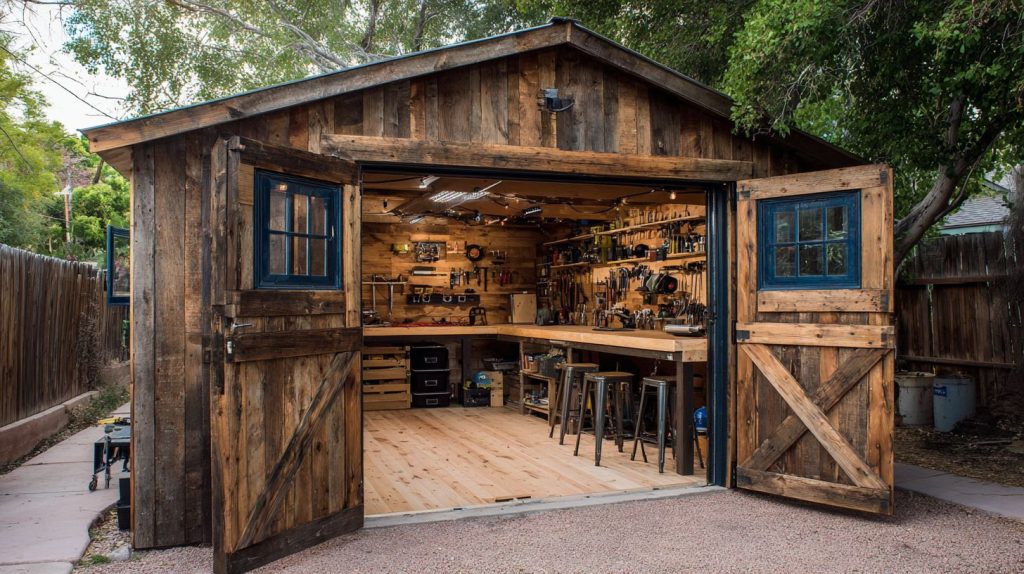
Alternatively, wood sheds Charlotte NC offer a more traditional look and can often be more easily customized on-site. Wood is a natural insulator, which can be beneficial if you plan to spend time inside the shed for gear maintenance or other activities. Wood sheds can be painted or stained to match existing structures and are very adaptable for interior modifications like shelving, workbenches, and specialized storage. You can find many options for wood sheds for sale that fit various aesthetic and functional needs.
Mini Barns Charlotte NC: Compact and Charming
If space is a concern or you prefer a classic, rustic aesthetic, mini barns Charlotte NC are a charming and practical option. These smaller barn-style structures provide ample vertical storage space thanks to their gambrel roofs. They are perfect for storing smaller hunting essentials, gardening tools, or even serving as a small workshop. Despite their compact footprint, mini barns offer surprising storage capacity.
Beyond the Hunting Shed: Additional Outdoor Solutions
While a dedicated hunting shed is invaluable, other outdoor structures can complement your setup or provide alternative solutions for different needs.
Storage Buildings for All Your Needs
In addition to hunting-specific structures, many homeowners in the area benefit from general storage buildings. These versatile units can house anything from lawnmowers and seasonal decorations to ATVs and kayaks. Opting for a larger storage building allows for segregation of hunting gear from other household items, keeping everything neat and accessible. Explore various storage buildings for sale near me to find the perfect fit.
Carports Charlotte: Vehicle Protection and More
For protecting hunting vehicles like trucks, ATV’s, or even boats, carports Charlotte offer an open, economical solution. They shield vehicles from sun, rain, and snow, preventing premature wear and tear. A carport can also serve as a covered workspace for cleaning game or maintaining equipment, especially when paired with a nearby hunting shed. There are many different types of carports available to suit various needs.
Shed Accessories for Enhanced Functionality
To maximize the utility of your hunting shed, consider a range of shed accessories. These can include shelving units, tool racks, pegboards, workbenches, and lighting fixtures. Ventilation systems are also critical, especially if you’ll be storing scent-sensitive items or performing any kind of processing inside. Ensuring proper insulation and climate control can further protect your gear and make the shed a more comfortable workspace. Discover essential must-have shed accessories for optimal organization.
Planning Your Hunting Shed Project in Charlotte
Before purchasing or building your hunting shed, several critical steps ensure a successful project and compliance with local regulations.
Understand Local Regulations and HOAs
It is essential to verify local zoning laws and any homeowners’ association (HOA) covenants in Charlotte and surrounding areas. Regulations may dictate size, placement, material, and even aesthetic requirements for outdoor structures. Neglecting these checks can lead to costly delays or forced modifications. For instance, HOA approved sheds in Charlotte adhere to specific community standards, ensuring harmony with neighborhood aesthetics.
Site Selection and Preparation
Choose a site that is level, well-drained, and easily accessible. Consider proximity to your home for convenience, but also potential noise or visual impact. Proper site preparation, including a solid foundation, is crucial for the longevity and stability of your shed. This prevents moisture issues and ensures the structure remains level over time.
Customization and Features
Think about how you’ll use the shed. Do you need extra windows for natural light, or perhaps a ramp for easy access with an ATV? Will you require electrical wiring for lighting or power tools? Customizing your shed from the outset ensures it perfectly meets your hunting and storage demands. Many providers offer custom sheds Charlotte NC, allowing you to design a structure that perfectly fits your needs.
The Advantage of Professional Builders for Your Storage Needs
Partnering with experienced shed builders offers numerous benefits. They can guide you through the selection process, help navigate permits, and ensure professional installation. This expertise saves you time and ensures your investment is sound.
Quality Construction and Materials
Professional builders use high-quality materials and construction techniques, resulting in a durable structure that will stand the test of time. This ensures your storage buildings are built to last, providing reliable protection for your valuable hunting equipment.
Expert Installation
Proper installation is vital for the longevity of any outdoor structure. Professional teams ensure the foundation is sound, the structure is level, and all components are correctly assembled. This minimizes the risk of future problems like leaks, structural instability, or premature wear. For quality assurance, consider seeking professional shed installation.
Customer Support and Warranty
Reputable builders offer customer support and warranties on their products and services, giving you peace of mind. This commitment to quality ensures that any issues arising after installation will be addressed promptly. For details, inquire about a comprehensive shed warranty.
Ready to find the perfect hunting shed or storage solution in Charlotte?
Whether you’re looking for robust metal buildings, charming mini barns, or versatile wood sheds, Barnyard Utility Buildings has the expertise and options to meet your needs. We provide top-quality storage solutions designed to protect your gear and enhance your outdoor lifestyle. Our team is ready to assist you in designing and installing the ideal structure for your property.
Frequently Asked Questions
What size hunting shed do I need for my gear?
The ideal size for your hunting shed depends heavily on the amount and type of gear you plan to store. Consider larger items like ATVs, deer carts, and tree stands, alongside smaller equipment such as firearms, ammunition, and clothing. Additionally, factor in space for a workbench or cleaning station if desired. A good starting point is to measure your largest items and allow for walkways and future purchases. Consulting with a shed expert can help you determine the most efficient dimensions.
Are there specific maintenance requirements for hunting sheds?
Maintenance requirements vary based on the material of your shed. Wood sheds typically require periodic sealing or painting to protect against moisture and rot, along with regular checks for pest activity. Metal buildings are generally lower maintenance, needing occasional cleaning and inspection for rust or damage. Regardless of material, ensure good ventilation to prevent condensation and mold, especially when storing gear that might be damp. Keeping the area around the shed clear of debris also helps.
Can I customize the interior of my hunting shed?
Absolutely! Interior customization is one of the biggest advantages of a dedicated hunting shed. You can install custom shelving, pegboards for tools, gun racks, boot dryers, and even a small heater or air conditioner for climate control. Many hunters also add a utility sink for cleaning game or gear. The possibilities are vast, allowing you to create a highly organized and functional space tailored specifically to your hunting activities and equipment.
Do I need a permit for a hunting shed in Charlotte, NC?
Permit requirements for outdoor structures like sheds can vary depending on their size, height, and location within Charlotte and surrounding municipalities. Most jurisdictions have specific regulations that mandate permits for structures exceeding a certain footprint or height. It’s always best to check with your local planning or building department and your homeowners’ association (if applicable) before starting any construction. This ensures compliance and avoids potential penalties or delays.
What are the benefits of a metal storage shed for hunting gear?
Metal storage sheds offer several key benefits for hunting gear. They are exceptionally durable, resistant to pests, rot, and fire, and typically require less maintenance compared to wood. Their robust construction provides excellent security for valuable equipment, and they can withstand harsh weather conditions. Metal sheds are also generally quick to install and can be a cost-effective long-term solution. They keep your gear dry and secure, ensuring it’s always ready for your next hunt.