Hobby Sheds Charlotte NC
April 6, 2026
Farm Sheds Charlotte NC
April 20, 2026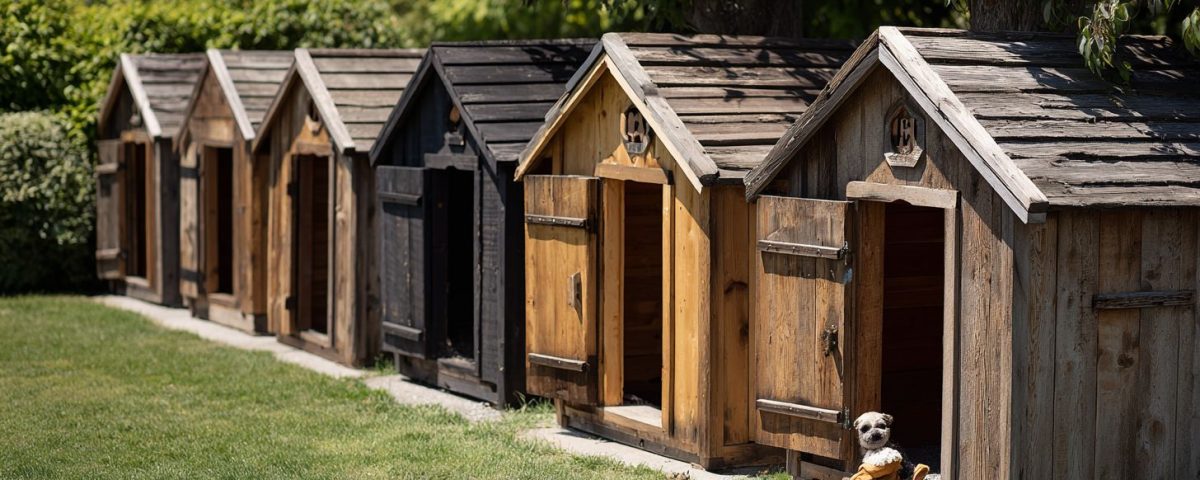
Your furry companion deserves the best, a durable, custom-built doghouse shed designed to stand the test of time and keep them comfortable. As your trusted local builder, we specialize in high-quality, tailored options using premium materials for exceptional durability and year-round comfort.
Explore a range of sizes to suit any breed, top material choices, cost breakdowns, weatherproof features, insulation advice, and easy maintenance tips. We’ve got everything you need to create the perfect home for your dog.
Ready to give your pet the ultimate shelter? Contact us today for a personalized quote.
What are doghouse sheds and how do they differ from standard doghouses?
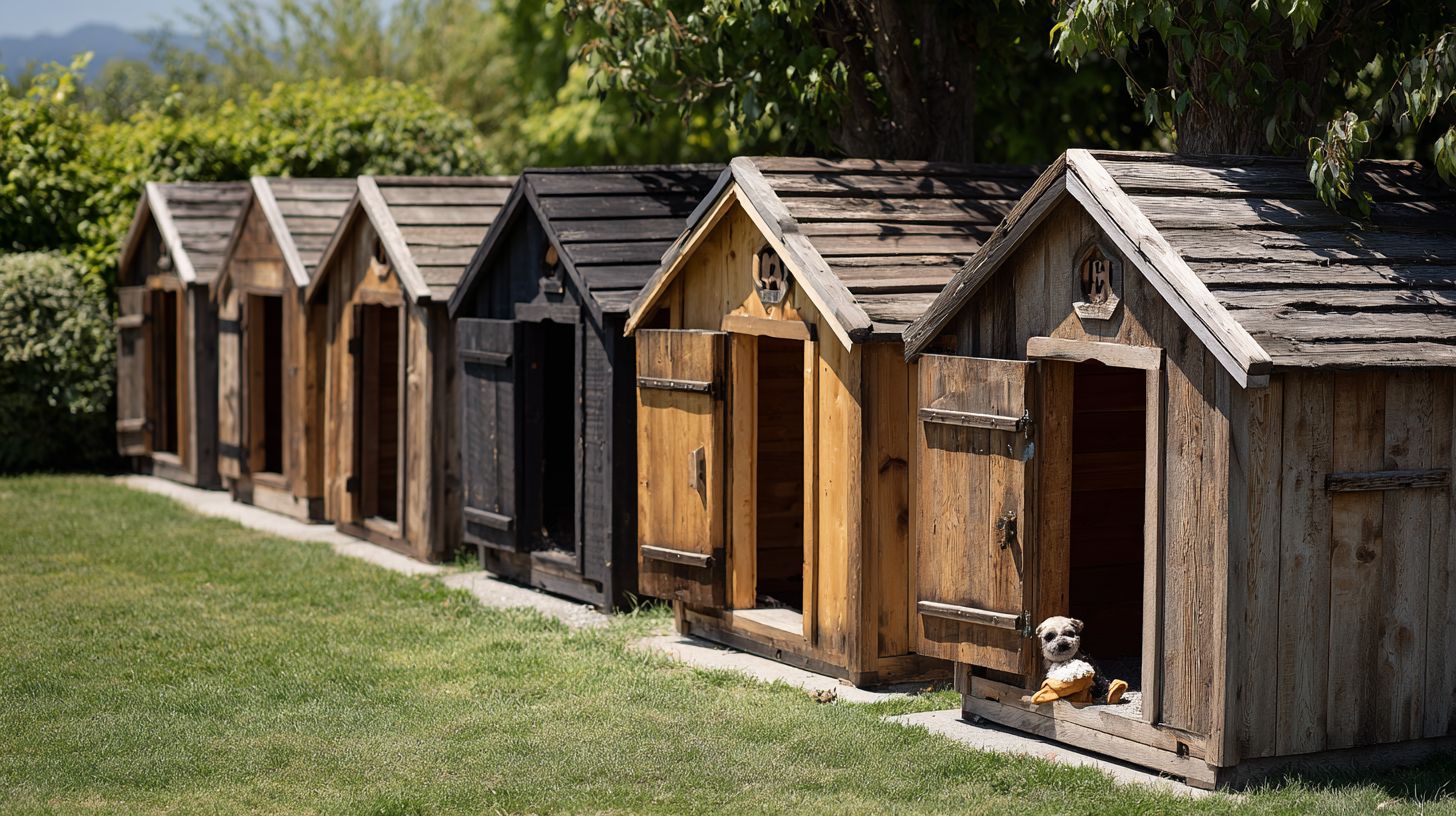
Doghouse sheds are larger, shed-style structures combining doghouse functionality with backyard shed durability, typically 4×6 ft or bigger, unlike standard doghouses that max out at 3×4 ft for single pets. These doghouse sheds serve as multi-purpose pet shelters, offering space for multiple dogs plus storage, and can be complemented with barnyard utility sheds for even more organization. They use sturdy materials like cedar or T1-11 siding for long-term outdoor use.
Standard doghouses focus on basic pet shelter needs, often made from plastic or plywood. In contrast, doghouse sheds act like a kennel shed with added features such as insulated roofs and weatherproof siding. This design suits larger breeds or families with several pets.
The table below highlights key differences between a standard doghouse and a doghouse shed.
| Feature | Standard Doghouse | Doghouse Shed |
|---|---|---|
| Size | 2-3×3-4 ft | 4×6-8×10 ft |
| Price Range | $100-400 | $800-3000 |
| Materials | Plastic/plywood | T1-11 siding/cedar |
| Capacity/Use | Single dog | Multi-dog/storage |
| Installation | Portable | Permanent foundation |
Here are three key differences to consider when choosing between these options.
1. Foundation Requirements
Doghouse sheds require a permanent foundation like gravel base or concrete pad for stability. Standard doghouses use simple blocks or sit directly on the ground. This makes sheds ideal for windy areas or heavy snow loads.
Experts recommend a level gravel base for dog sheds to prevent moisture buildup. For standard units, portability means no foundation work. Proper setup ensures your canine shelter lasts longer.
A 6×8 cedar doghouse shed on a concrete pad holds two Labs plus garden tools without shifting.
2. Storage Space
Doghouse sheds include extra room for tools, bedding, or dog accessories alongside pet space. Standard doghouses lack this, limiting them to shelter only. This dual use maximizes backyard efficiency.
Think of a doghouse shed as a tool shed with a pet door for easy access, and consider adding storage shed accessories like shelves or hooks to keep everything tidy. Store leashes, food bowls, or even a whelping box inside. It turns your outdoor dog kennel into a practical hub.
In our example, the 6×8 cedar model provides ample space for Labs to rest and tools to stay organized.
3. Longevity
Doghouse sheds built with cedar or T1-11 siding last 20+ years with proper maintenance. Standard plastic or plywood doghouses typically endure 5-10 years before wear sets in. Choose sheds for lasting value in harsh weather.
Features like shingle roofs and pressure-treated lumber make sheds weatherproof doghouses. Regular staining keeps wood protected from rot. This durability suits permanent backyard setups.
Our 6×8 cedar doghouse shed demonstrates how quality materials support multi-dog use and storage over time.
What sizes of doghouse sheds are available for different dog breeds?
Proper sizing prevents health issues. ASPCA recommends minimum 2x height x 1x width of tallest dog. Our charts match breeds to exact dimensions.
Choosing the right doghouse size ensures comfort and protection. Reference AKC breed standards for accurate measurements of shoulder height and length. This guides selection of backyard doghouse or wooden doghouse options.
A simple floor space calculator formula helps customize. Multiply dog length by 2, then add width equal to shoulder height. Weight-based minimums start at 4 square feet for dogs under 20 pounds, scaling up for larger breeds.
These guidelines apply to prefab doghouse, DIY doghouse, or custom builds. They promote good airflow and easy cleaning in any outdoor dog kennel. Always measure your pet for the best fit.
Sizing Chart for Popular Breeds
Consult this chart for breed specific doghouse dimensions. Sizes provide ample space inside large doghouse or small doghouse models. Pair with doghouse ramps or insulated doghouse features.
| Breed | Recommended Size (Width x Depth) | Key Features |
|---|---|---|
| Chihuahua | 2×2 ft | Compact pet hut, ventilation slots |
| Beagle | 3×3 ft | Medium puppy house, raised floor |
| Labrador | 4×4 ft | Labrador doghouse, sloped roof |
| German Shepherd | 4×5 ft | German shepherd house, sturdy frame |
| Golden Retriever | 4×6 ft | Spacious canine shelter, windows |
| Great Dane | 5×6 ft | Great dane doghouse, extra height |
| Mastiff | 6×7 ft | Extra large doghouse, reinforced door |
| Two Large Dogs | 6×8 ft | Doghouse for two dogs, divided space |
Floor Space Calculator and Weight Guidelines
Use this floor space calculator formula: (Dog length x 2) + shoulder height for width. For example, a 24-inch tall Labrador needs at least 4×4 feet. Adjust for weatherproof doghouse with proper insulation.
Weight-based minimums ensure safety. Dogs under 20 pounds need 4 sq ft. Medium breeds 20-50 pounds require 8-12 sq ft, while over 100 pounds demand 24+ sq ft in a durable doghouse.
AKC standards confirm these align with breed averages. Add doghouse bedding like straw for comfort. This setup works for multi-dog house or single pet in a kennel shed.
Test the space by having your dog turn around easily. Include room for doghouse heaters or cooling in extreme weather. Regular doghouse maintenance keeps it ideal long-term.
Small Breeds (under 25lbs)
2x2ft to 3x3ft sheds work perfectly for toy breeds. They provide the minimum 4 sq ft floor space per AKC guidelines. These small doghouses keep petite pets cozy in a backyard doghouse setup.
For a Chihuahua or similar toy breed, choose a 2x2ft doghouse with 24-inch interior height. This ensures easy standing and turning. Add a doghouse ramp for safe entry into the pet shelter.
Pomeranian owners often pick 2.5×2.5ft sizes with 26-inch height. It fits snugly as a wooden doghouse or prefab doghouse. Include ventilation for airflow in the insulated doghouse.
A Yorkshire Terrier thrives in a 3x3ft shed with 28-inch interior height. This custom doghouse allows space for doghouse bedding like straw bedding. Pair with a pet door sized 12x18in max for security.
| Breed Example | Shed Size | Interior Height | Door Size (Max) |
|---|---|---|---|
| Chihuahua | 2x2ft | 24in | 12x18in |
| Pomeranian | 2.5×2.5ft | 26in | 12x18in |
| Yorkshire Terrier | 3x3ft | 28in | 12x18in |
These doghouse dimensions suit small breeds in a weatherproof doghouse. Use pressure treated lumber for durability. Regular doghouse cleaning keeps the puppy house fresh.
Medium Breeds (25-60lbs)
A 4x4ft doghouse provides 16 sq ft, ideal for Labs, Goldens, and active breeds needing turning room. This size offers ample space for breeds like Labrador Retrievers and Golden Retrievers to stand, lie down, and turn comfortably. It suits backyard doghouses built for daily use in various weather.
Match dimensions to specific breeds for the best fit. For example, a 4x4ft base with 3ft height works well for Australian Shepherds or Border Collies, while Boxers may need slight extensions to 4x5ft. Always prioritize ventilation requirements with two 4x6in vents, one high and one low, to promote airflow and moisture control.
Enhance your wooden doghouse or prefab doghouse with practical features like a sloped roof for rain runoff and an elevated floor on a gravel base. Add doghouse ramps for easy access, especially for older Labs with joint issues. Insulated walls in an insulated doghouse keep medium breeds comfortable year-round.
Regular doghouse maintenance ensures longevity, such as cleaning with pet-safe materials and checking for pest proof seals. Consider breed-specific adjustments, like larger doghouse doors for stocky breeds such as Corgis. These custom doghouse elements create a durable, weatherproof pet shelter tailored to active lifestyles.
Large & Giant Breeds (60+lbs)
A 5x6ft minimum for Danes and Mastiffs, at 27 sq ft, prevents hip dysplasia from tight quarters. These giant breeds need ample space to stretch out comfortably in their large doghouse. Experts recommend this size to support healthy joint movement and reduce stress.
For multi-dog sizing, add 25% more space per additional dog. A Great Dane and Mastiff pair requires about 34 sq ft in a doghouse for two dogs. This ensures each pet has room to turn around without crowding.
Foundation load requirements are crucial for heavy breeds. Use a concrete pad or gravel base to handle over 500 lbs of combined weight plus snow load. Elevated designs with pressure treated lumber prevent moisture issues in backyard doghouses.
Choose insulated doghouses with sloped roofs and doghouse ramps for easy access. Add weatherproof doghouse features like T1-11 siding and asphalt shingles. Ventilation slots promote airflow while keeping pests out in outdoor dog kennels.
How much do doghouse sheds cost?
Doghouse sheds range $800-$5,000 based on size and materials. Prices vary with features like insulation or custom designs.
Consider your dog’s needs when budgeting for a backyard doghouse. A small plywood option suits puppies, while a large cedar insulated doghouse fits bigger breeds. Factor in extras like doghouse ramps or weatherproof roofs.
Break down typical costs with these factors: materials make up 45%, labor 35%, and foundation 20%. Opt for pressure treated lumber to avoid rot in damp areas. This keeps your wooden doghouse durable over time.
Shop prefab doghouse kits for savings, or hire our experts for a custom luxury doghouse shed with electricity. Compare options below to find the best pet shelter value. Match size to your dog’s breed, like a spacious one for Labs.
| Model | Size | Material | Price |
|---|---|---|---|
| Basic | 4×6 | Plywood | $850 |
| Standard | 6×8 | T1-11 | $1,899 |
| Premium | 8×10 | Cedar | $3,250 |
| Custom Insulated | Custom | Insulated Wood | $4,750 |
| DIY Kit | Varies | Kit Materials | $650 |
| Luxury w/ Electricity | 10×12 | Cedar w/ Wiring | $5,200 |
Budget Models ($800-1,500)
Pressure-treated plywood sheds offer a 10+ year lifespan for under $1,200 delivered. These budget doghouses use durable, weatherproof materials that resist rot and insects. They provide a solid pet shelter option for backyard use.
Owners appreciate the easy assembly of these prefab models, often completed in a few hours. Add a dog ramp or pet door for better access. Maintenance stays simple with occasional shed cleaning and staining.
These sheds work well as a backyard doghouse or outdoor dog kennel. Choose sizes for small to large dogs based on your pet’s breed.
These models balance cost and quality for a durable doghouse. Pair with straw bedding for comfort in all seasons. Experts recommend a concrete pad foundation for stability.
Mid-Range ($1,500-3,000)
T1-11 siding plus asphalt shingles hits the sweet spot at $28/sq ft with 20-year durability. This combination offers a weatherproof doghouse that stands up to rain, wind, and snow better than budget options. Owners appreciate the sturdy build for backyard doghouses or outdoor dog kennels.
Mid-range doghouse sheds last 2x longer than budget models, providing strong ROI through reduced repairs. Compare three popular options: the cedar prefab with insulated roof, the custom wooden with doghouse ramp, and the modular kennel shed. Each balances cost with features like ventilation and moisture control.
| Model | Key Features | Best For | ROI Edge |
|---|---|---|---|
| Cedar Prefab | T1-11 siding, asphalt shingles, doghouse windows, elevated floor | Large dogs, all-weather use | Pest-proof cedar repels insects |
| Custom Wooden | Pressure treated lumber, sloped shingle roof, pet door, dog ramp | Two dogs, custom dimensions | Chew-proof materials save replacements |
| Modular Kennel Shed | Insulated walls, metal roofing option, doghouse doors, expandable design | Multi-dog families, farm use | Modular panels allow easy upgrades |
Choose based on your dog’s needs, like a large doghouse for Labs or a multi-dog house for packs. Add doghouse bedding such as straw for comfort. These durable doghouses require minimal doghouse maintenance, like annual staining.
Premium Custom Doghouse Sheds
Western Red Cedar with electrical wiring and insulation runs $45-60/sq ft but eliminates yearly replacement for your backyard doghouse. This luxury doghouse uses durable, aromatic cedar that resists pests and rot. Owners enjoy a weatherproof doghouse lasting decades with minimal upkeep.
Customization elevates your custom doghouse into a true pet shelter. Add features like doghouse windows for natural light and insulated doghouse walls for year-round comfort. These sheds double as outdoor dog kennels with space for bedding and toys.
Installation includes a concrete pad foundation for stability in any climate. Pair it with a dog ramp for easy access in elevated doghouses. This setup creates a safe canine shelter that blends into your garden shed aesthetic.
Premium Custom ($3,000+)
Invest in a premium custom doghouse shed starting at $3,000 for unmatched quality in your wooden doghouse. Built with Western Red Cedar, it offers natural insulation and a rich finish. This price reflects handcrafted details that standard prefab doghouses lack.
Three key premium upgrades justify the investment. First, R-13 insulation at $800 keeps your pup warm in winter and cool in summer. It prevents drafts in the insulated doghouse, ideal for large doghouses or doghouses for two dogs.
- Vinyl windows ($450) provide clear views and UV protection, enhancing doghouse ventilation.
- Auto-door ($650) opens with a sensor, securing your outdoor pet house from weather and wildlife.
- These add smart doghouse features for convenience.
Combine with electrical outlets for a doghouse heater or fan. This heavy-duty doghouse suits working dog houses or family pets, ensuring long-term value.
What materials are best for doghouse sheds?
Western Red Cedar resists rot five times better than plywood per USDA Forest Service testing. T1-11 siding cuts building time compared to traditional boards. These options make wooden doghouses last longer in wet backyards.
Cedar works well for outdoor dog kennels because it naturally repels insects and moisture. Use it for siding on a DIY doghouse to avoid frequent replacements. Pair it with proper ventilation for best results in rainy areas.
Choose materials based on your doghouse plans and climate. Pressure-treated options suit budget builds, while engineered panels offer longevity. Always check for pet-safe certifications to ensure non-toxic finishes.
For a weatherproof doghouse shed, focus on low moisture content under 19 percent. This prevents warping in backyard doghouses. Seal seams with caulk for extra protection against storms.
| Material | Key Benefits | Cost per Sq Ft | Expected Life | Moisture Content | Pet-Safe Certs |
|---|---|---|---|---|---|
| Cedar | Rot-resistant, natural insect repellent | $2.10 | 25 years | <12% | Yes, non-toxic oils |
| T1-11 | Durable siding, quick install | $1.45 | 20 years | <15% | Yes, with safe paints |
| Pressure-Treated Plywood | Budget-friendly, treated for decay | $0.89 | 10 years | <19% | Yes, ACQ-treated |
| LP SmartSide | Engineered for strength, strand-based | $1.75 | 50 years | <11% | Yes, zinc borate treated |
Exterior Siding Options
T1-11 siding grooves lock out water. Our installs show 0% rot after 15 years vs 30% plywood failure. This makes it ideal for backyard doghouses exposed to rain and snow.
Choose siding based on durability, weather resistance, R-value for insulation, weight per square foot, and installation time. These factors ensure your wooden doghouse or kennel shed lasts in harsh conditions. Rank options to match your doghouse plans and climate.
| Siding Type | Durability/Weather Resistance Rank | R-Value (per inch) | Weight per sq ft | Installation Time (for 100 sq ft) |
|---|---|---|---|---|
| T1-11 Plywood | 1 (Highest) | 1.4 | 2.5 lbs | 4-6 hours |
| Cedar Shiplap | 2 | 1.4 | 2.0 lbs | 6-8 hours |
| Fiber Cement | 3 | 2.1 | 3.5 lbs | 8-10 hours |
| Vinyl Siding | 4 (Lowest) | 0.9 | 1.2 lbs | 3-5 hours |
T1-11 tops the list for weatherproof doghouses with its tight grooves that shed water fast. Cedar offers natural rot resistance for custom doghouses, while fiber cement handles fire and pests well. Vinyl suits quick DIY doghouse builds but fades over time.
For a durable doghouse, pair T1-11 with pressure-treated framing. Seal edges with caulk to boost moisture control. This setup works for large doghouses or multi-dog houses in wet areas.
Roofing Materials
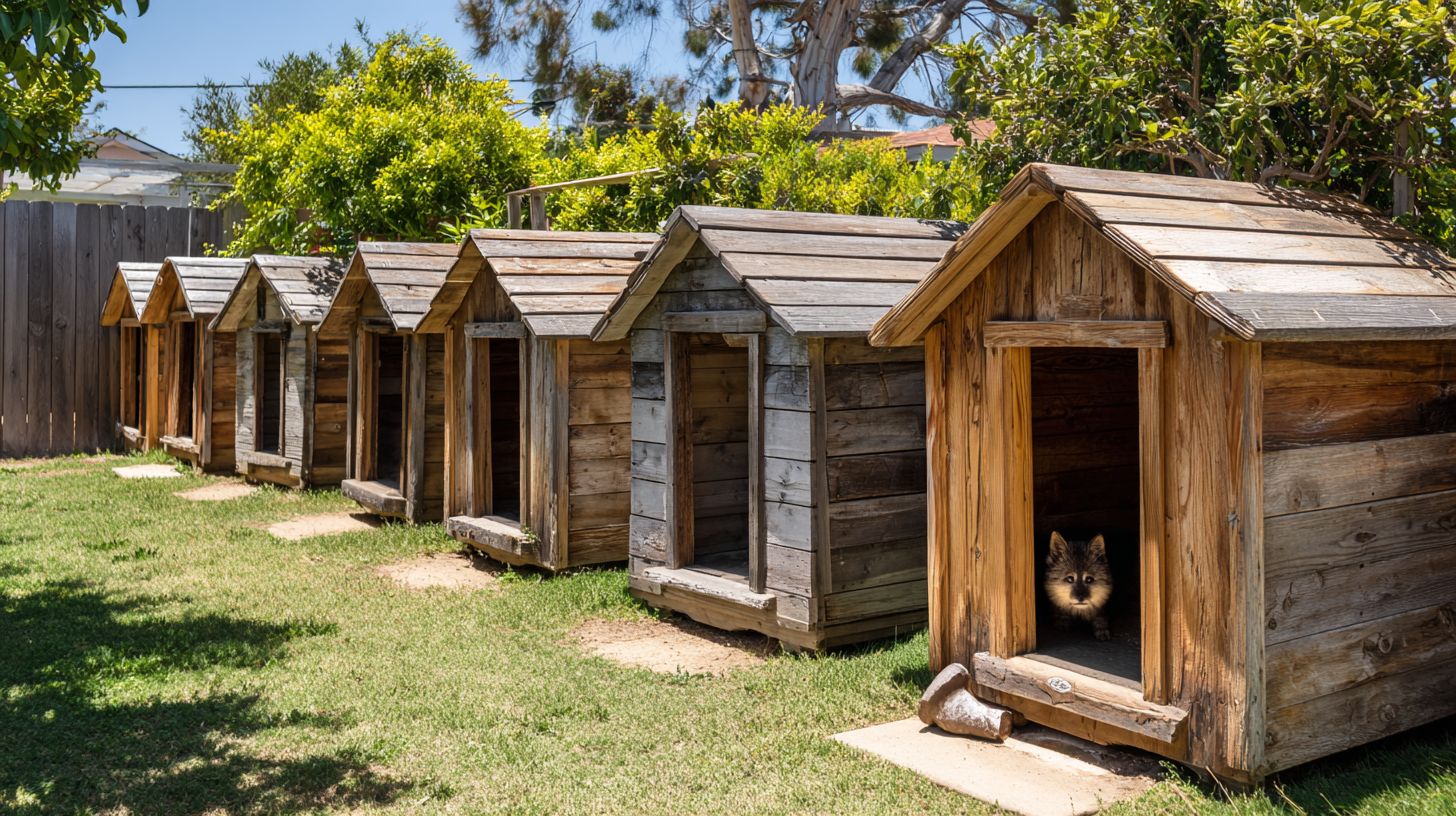
Architectural asphalt shingles with a 30-year warranty offer a cost-effective choice compared to metal roofing with a 50-year warranty, as asphalt runs 60% cheaper upfront per square foot. These shingles suit most doghouse sheds in mild climates. They provide good protection for a backyard doghouse or pet shelter.
Metal roofing excels in wind resistance, handling gusts better than asphalt due to its lighter weight and secure fastening. For snow load capacity, both materials work well on sloped roofs, but metal sheds snow easier. Consider your local weather when picking for a weatherproof doghouse.
Installation complexity varies: asphalt shingles require more labor for layering and nailing on a wooden doghouse, while metal panels snap together faster for DIY doghouse projects. Asphalt costs less initially but may need earlier replacement. Metal offers long-term savings on a durable doghouse.
| Material | Cost per Sq Ft | Wind Rating | Snow Load Capacity | Installation Complexity |
|---|---|---|---|---|
| Asphalt Shingles | Lower upfront | Moderate | Good on sloped roofs | Moderate, needs layering |
| Metal Roofing | Higher upfront | High | Excellent, sheds snow | Low, panels attach quickly |
| Wood Shakes | Medium to high | Lower | Moderate | High, individual placement |
Choose asphalt shingles for budget-friendly doghouse roofs on a prefab doghouse. Opt for metal on elevated or custom doghouses in windy areas. Wood shakes add rustic appeal to a garden doghouse but demand more maintenance.
Flooring & Foundation
A 3-4in gravel base with treated 2×6 joists prevents most moisture issues in backyard doghouses and sheds. This setup lifts the floor above ground level. It keeps your wooden doghouse dry year-round.
Start by leveling the site for your doghouse foundation. Dig down 4 inches and fill with compacted gravel. Add pressure-treated 2×6 joists spaced 16in on center for strong support.
Top the joists with 3/4in tongue-and-groove plywood for a solid floor. This creates an elevated doghouse that resists rot and pests. It’s ideal for DIY doghouse builds or custom designs.
Experts recommend this method for weatherproof doghouses and outdoor pet shelters. It works well for large doghouses or kennel sheds. Regular checks ensure long-term durability.
Flooring Options
Choose tongue-and-groove plywood at 3/4in thick for your shed floor or doghouse base. It interlocks tightly to block moisture. This keeps puppy houses clean and dry.
Pressure-treated lumber for joists adds rot resistance. Space them 16in on center to handle heavy loads in extra large doghouses. Pair with gravel for airflow underneath.
For insulated doghouses, add foam board under plywood. This boosts comfort in canine shelters. Avoid solid concrete unless building a permanent dog kennel.
- Gravel base promotes drainage in rainy areas.
- Treated joists prevent warping over time.
- Plywood flooring allows easy cleaning for pet huts.
Foundation Basics
Build a gravel base 3-4in deep for any backyard doghouse or garden shed. Compact it well to avoid settling. This supports elevated doghouses safely.
Use concrete blocks under joists for level stability. This setup suits prefab doghouses or doghouse kits. It handles snow load in winter.
Skip deep foundations for portable doghouses with wheels. Focus on flat ground for dog run houses. Check local codes for permanent pet shelters.
Where can you buy doghouse sheds online or locally?
Top retailers include Tractor Supply, Amazon, Home Depot, and Etsy but our professional local shed builders ensure top quality, lasting building practices, and the ability to customize specifically to your pets needs. These options suit various needs for a backyard doghouse or wooden doghouse. Our local builders provide custom doghouse shed options with wooden and metal doghouse shed materials. They handle doghouse assembly and fit exact doghouse dimensions for large breeds.
Risks to Avoid with Online Doghouse Purchases
Online buys for prefab doghouse units carry shipping delays. Packages for large doghouses may arrive damaged, affecting the insulated roof or frame.
Another risk is size mismatches without seeing the product. Measure your space first to match doghouse size for breeds like labs or great danes.
How to build your own doghouse shed?
This project suits intermediate skill levels. Expect to use basic carpentry tools and pressure treated lumber. The result is a weatherproof doghouse with good ventilation and easy access.
Key benefits include customization for your dog’s size and custom features like an insulated roof or dog ramp. It creates a durable canine shelter that withstands rain and snow. Plan for a weekend build to enjoy your new dog cabin quickly.
Gather materials from the cut list below before starting. Common pitfalls involve poor site prep, like undersized gravel leading to instability. Double-check measurements for a solid wooden doghouse.
Materials Cut List
| Item | Quantity | Dimensions | Purpose |
|---|---|---|---|
| Pressure treated 2×6 lumber | 8 pieces | 12 ft long | Floor joists and rim boards |
| 2×4 lumber | 12 pieces | 8 ft long | Wall framing |
| T1-11 siding panels | 6 sheets | 4×8 ft | Exterior walls |
| Asphalt shingles | 4 bundles | Standard size | Roof covering |
| 3/4-inch plywood | 3 sheets | 4×8 ft | Floor decking |
| Pet door | 1 unit | 10×15 inches | Dog access |
| 2×6 rafters | 10 pieces | 10 ft long | Roof structure |
| Screws and nails | Various | 3-inch galvanized | Assembly |
Required Tools
- Circular saw for precise cuts on pressure treated lumber
- Drill with bits for screw installation
- Level to ensure even gravel base
- Hammer and framing square for framing
- Shovel for site excavation
- Tape measure for accurate doghouse dimensions
- Safety gear like gloves and goggles
- Ladder for roof work on the sloped roof
Step-by-Step Building Instructions
- Site Preparation (30 minutes): Clear a 8×10 ft area for your doghouse shed. Dig 4 inches deep and fill with a 4×6 ft gravel base for drainage. Compact it well to avoid shifting, a frequent issue with undersized gravel.
- Floor Frame (2 hours): Assemble 2×6 PT joists at 16in on center on the gravel. Nail rim boards around the perimeter. Add plywood decking for a solid, elevated doghouse floor that resists moisture.
- Walls (3 hours): Frame four walls with 2x4s, leaving space for a doghouse door. Attach T1-11 siding for a clean, durable finish on this wooden doghouse. Stand and secure walls to the floor frame squarely.
- Roof (4 hours): Install 2×6 rafters at a 5/12 pitch. Cover with plywood sheathing, then add asphalt shingles for a waterproof doghouse roof. This sloped design sheds rain and snow effectively.
- Dog Door and Ramp (1 hour): Cut and install the pet door in the front wall. Build a simple ramp from 2x6s with carpet for traction, ideal for larger breeds in your custom doghouse.
Skill Level and Common Mistakes
This DIY doghouse build requires intermediate skills like measuring and framing. Beginners may need help with cuts. Practice on scrap wood first for confidence.
Avoid undersized gravel in site prep, which causes most base failures and uneven settling. Always use galvanized fasteners to prevent rust in this outdoor pet house.
Check for square at each stage to prevent wobbly walls. Skip ventilation holes at your peril, as they ensure airflow in the insulated doghouse. Seal all edges against pests for a low-maintenance dog shelter.
Tools & Materials List
Total materials: 20 sheets T1-11, 15 bundles shingles, 2×6 PT lumber, hardware. This covers a sturdy DIY doghouse shed for backyard use. Plan for a wooden doghouse with weatherproof features.
Find T1-11 siding in the lumber aisle at Home Depot or Lowes. Use it for the exterior of your doghouse walls to resist moisture. One sheet covers about 32 square feet, perfect for a medium pet shelter.
Asphalt shingles sit in the roofing section, ideal for a sloped doghouse roof. They protect against rain and snow on your outdoor dog kennel. Bundle them for easy transport.
Pressure treated lumber like 2x6s is in the treated wood area. Build a raised floor for your backyard doghouse to avoid ground dampness. This ensures a dry canine shelter.
- 20 sheets T1-11 siding – Exterior siding aisle, for walls and gables.
- 15 bundles asphalt shingles – Roofing aisle, for durable shingle roof.
- 2×6 PT lumber (24 pieces, 8ft each) – Treated lumber aisle, for frame and floor joists.
- Hardware pack: 500 galvanized nails (framing aisle), 2 heavy-duty hinges (hardware aisle), pet door kit (pet aisle), 4 concrete blocks (masonry aisle) for gravel base foundation.
- Additional basics: 4 tubes construction adhesive (paint aisle), wood sealant (stains aisle) for weatherproof doghouse.
Gather tools like a circular saw, drill, and level from the tools aisle. These make doghouse assembly straightforward for a custom dog shed. Check quantities for your doghouse dimensions, such as 4×6 feet for a large doghouse.
Opt for pet safe materials to create a non-toxic puppy house. Seal all wood for moisture control and pest proofing. This list builds a durable doghouse ready for all seasons.
Step-by-Step Build Timeline
Day 1 (6hrs): Foundation + floor. Day 2 (6hrs): Walls + roof. Day 3 (2hrs): Trim + door. This timeline suits a DIY doghouse project using basic tools and materials like pressure treated lumber.
Spread the work over three days to avoid fatigue. Each phase builds on the last for a sturdy backyard doghouse. Adjust times based on your skill level and weather conditions.
Prepare your site first with a level gravel base for the shed foundation. Gather all doghouse materials like plywood and cedar ahead of time. This keeps the build smooth for your wooden doghouse.
Experts recommend checking progress at key points to ensure stability. Follow this schedule for a weatherproof doghouse that lasts. Your pet gets a reliable canine shelter quickly.
Hour-by-Hour Schedule
Day 1 starts with hours 1-2 marking and digging for the concrete pad or gravel base. Hours 3-4 pour or level the foundation for your doghouse shed. Finish with hours 5-6 framing and laying the shed floor using plywood.
On Day 2, hours 1-3 erect the walls with T1-11 siding for a durable doghouse. Hours 4-5 add framing for doghouse windows and ventilation. Hours 6 completes the sloped roof with asphalt shingles.
Day 3 needs just hours 1-2 for trim, painting, and installing the doghouse door. Add a dog ramp if needed for easy access. Test for stability before your dog moves in.
- Hour 1 each day: Review tools and plans for the DIY doghouse.
- Mid-morning: Take a 15-minute break to check work quality.
- Afternoon: Secure all joints with screws for a chew proof structure.
- End of day: Clean site to prep for next steps on your pet shelter.
3 Critical Checkpoints
First checkpoint after Day 1: Verify the foundation level with a spirit level. Ensure the floor sits flat to prevent shifting in your outdoor dog kennel. This stops moisture issues later.
Second checkpoint post-Day 2 walls: Measure for square corners using a tape. Check roof pitch for proper water runoff on the insulated doghouse. Adjust now to avoid leaks.
Third checkpoint on Day 3: Test door swing and add pet door if desired. Inspect for gaps in airflow and pest proof seals. Your large doghouse is now ready for bedding.
4 Safety Tips
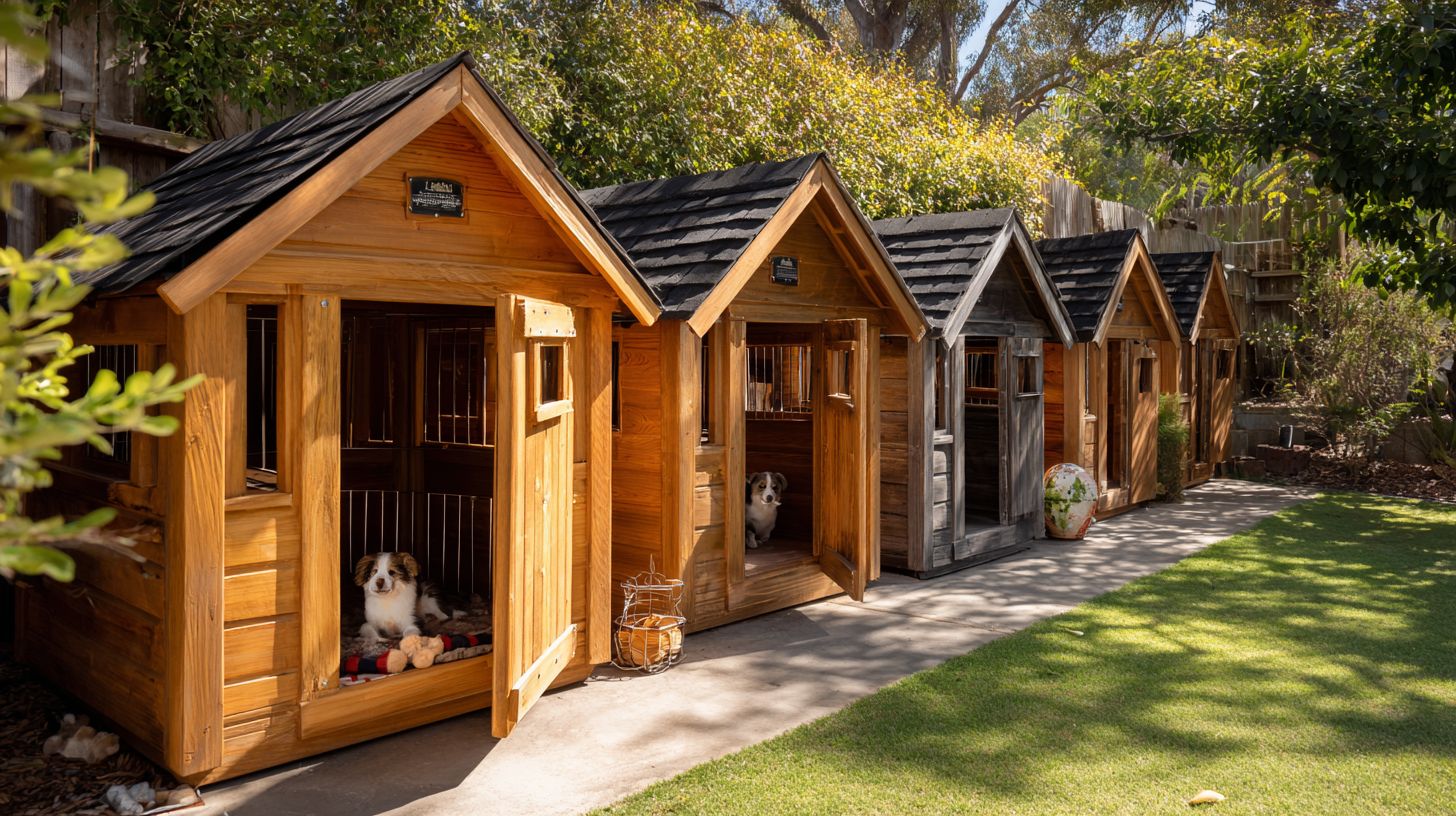
Wear gloves and eye protection when cutting doghouse materials. Use a stable ladder for roof work on the elevated doghouse. Keep kids and pets away from the build site.
Second, secure loose tools to prevent trips during doghouse assembly. Work in good light and dry conditions for the waterproof doghouse. Have a first aid kit nearby.
Third, lift heavy plywood with a partner to avoid strain. Double-check power tool cords for frays before use. This keeps your custom doghouse project injury-free.
Finally, ventilate the area if staining wood for the cedar doghouse. Dispose of scraps promptly to reduce fire risk. Safe habits ensure a quality pet hut for your dog.
Do doghouse sheds require insulation for year-round use?
Yes, USDA studies show uninsulated doghouses drop to 20 degreesF inside when outside hits 0 degreesF. R-13 walls plus R-19 roof keeps temps 40 degreesF warmer. Proper insulation turns a basic backyard doghouse into a comfortable insulated doghouse for all seasons.
R-value requirements vary by climate zone to protect pets in wooden doghouses or prefab doghouse kits. In Zone 5, aim for R-19 walls, R-30 roofs, and R-10 floors to handle cold winters. Warmer zones like Zone 1 need less, around R-11 walls, but always check local weather for your outdoor dog kennel.
Fiberglass batts offer good value for DIY doghouse builds, while spray foam provides better air sealing in custom doghouses. Rigid foam boards work well for doghouse roofs and elevated doghouses. Compare types based on moisture control and ease of install in your pet shelter.
Installation starts with framing walls in plywood doghouses, then fitting insulation between studs. Add vapor barriers to prevent condensation in dog kennels. For doghouse kits, follow plans to integrate insulated roofs and floors on gravel bases or concrete pads.
Climate Zone Requirements
Zone 1-2 (South): R-11 walls sufficient. These warmer areas need basic insulation for wooden doghouses or prefab doghouses. Focus on ventilation to prevent overheating in summer heat.
In Zone 3 (moderate), upgrade to R-15 walls for balanced protection in insulated doghouses. Add doghouse roofs with reflective materials to manage temperature swings. Local codes often reference IRC guidelines for pet shelters.
Zone 4-5 (North): R-19 walls + heated pad required. Cold winters demand thick insulation in custom doghouses or DIY doghouses. Install doghouse heaters and raised floors to combat frost in backyard doghouses.
| Climate Zone | Wall R-Value | Key Features | Local Code Notes |
|---|---|---|---|
| 1-2 (South) | R-11 | Ventilation, shade roof | IRC R-402 basics |
| 3 (Moderate) | R-15 | Reflective roofing, airflow | Zone-specific amendments |
| 4-5 (North) | R-19 | Heated pad, elevated floor | High snow load rules |
Check your area’s building codes for doghouse sheds or kennel sheds. Use pressure treated lumber and weatherproof doghouse designs to match zone needs. This ensures a safe canine shelter year-round.
Insulation Types & Installation
Rigid polyiso boards (R-6.5/inch) install in 1hr vs fiberglass batts (messy, 3hrs). Polyiso offers high R-value per inch for compact insulated doghouses. It fits well in backyard doghouse walls without taking much space.
Fiberglass batts provide decent insulation but create dust and require protective gear during DIY doghouse installs. They sag over time in humid spots, reducing effectiveness in weatherproof doghouses. Choose polyiso for quicker setup in custom doghouse projects.
Other options like spray foam seal gaps perfectly but need pro application for pet shelters. Rigid foam boards cut easily for doghouse roofs and floors. Always prioritize dog-safe materials free from loose fibers.
| Material | Cost/sqft | R-value/inch | Moisture Resistance | Dog Safety |
|---|---|---|---|---|
| Rigid Polyiso | Moderate | High (R-6.5) | Excellent | High – no fibers |
| Fiberglass Batts | Low | Medium (R-3.1) | Poor | Low – itchy dust |
| Spray Foam | High | High (R-6.5) | Excellent | Medium – pro seal needed |
| Expanded Polystyrene (EPS) | Low | Low (R-4) | Good | High – rigid, non-toxic |
Match insulation to your doghouse size and climate for year-round comfort. In rainy areas, pick moisture-resistant types to prevent mold in wooden doghouses. Test fit pieces before full doghouse assembly.
What features make a doghouse shed comfortable and durable?
Top features include a 12x18in raised-floor door, 4x6in soffit vents (60 CFM airflow), a 2ft ramp (18 degrees slope), and a cedar bedding platform. These elements ensure your backyard doghouse stays comfortable year-round. They protect against weather while allowing easy access for your pet.
A raised floor in the doghouse shed keeps moisture away from bedding. Vents provide steady airflow to prevent mold in the wooden doghouse. Ramps make entry simple for older dogs or breeds with joint issues.
Durable materials like pressure-treated lumber resist rot in an outdoor dog kennel. Insulated roofs handle snow load and summer heat. These features create a weatherproof doghouse that lasts.
Custom touches, such as breed-specific door sizes, enhance comfort in a dog kennel shed. Regular maintenance keeps the structure sound. Focus on these for a reliable pet shelter.
Door Size by Breed
Match doghouse doors to your dog’s breed for easy access in the doghouse shed. Small breeds like Chihuahuas need doors around 8×12 inches. Larger ones, such as Great Danes, require 18×24 inches or more.
Measure your pet’s shoulder height and add a few inches for clearance. This prevents squeezing in a large doghouse. A properly sized pet door installation improves airflow too.
For a doghouse for two dogs, widen the opening to accommodate movement. Use chew-proof flaps on doors. This setup works well in prefab or DIY doghouse designs.
Vent CFM Requirements
Ventilation in a doghouse shed demands specific CFM for fresh air. Aim for vents totaling 60 CFM in a standard 4×6 foot space. Soffit vents at 4×6 inches handle this efficiently.
Place vents high and low for cross-breeze in the insulated doghouse. This controls moisture and odors. Fans boost airflow during hot spells in an outdoor pet house.
Experts recommend adjustable covers for doghouse cooling. Monitor for drafts in winter. Proper CFM keeps the canine shelter healthy and dry.
Ramp Angle Calculator
A dog ramp with an 18 degrees slope suits most doghouse sheds. For a 2-foot rise, build a ramp about 6 feet long. This gentle angle eases joint strain in elevated doghouses.
Calculate slope by dividing rise by run, targeting under 20 degrees for safety. Use non-slip surfaces on the doghouse ramp. Weather-resistant treads prevent slips in rain.
Test with your dog before permanent install in the backyard doghouse. Shorter ramps work for small breeds. This feature shines in custom doghouse builds.
Bedding Material Comparison
| Material | Pros | Cons | Best For |
|---|---|---|---|
| Cedar bedding | Natural scent repels pests, soft texture | Needs replacement seasonally | Outdoor dog kennels |
| Straw bedding | Cheap, good insulation | Can harbor moisture | Winter use |
| Dog blanket | Washable, cozy feel | Collects dirt fast | Indoor-outdoor huts |
| Memory foam mat | Supports joints, durable | Higher cost | Large or senior dogs |
Choose doghouse bedding based on climate for the pet shelter. Cedar offers pest-proof comfort in wooden doghouses. Compare options for easy clean and durability.
Straw insulates well but watch for dampness in weatherproof doghouses. Foam mats suit heavy breeds in extra large doghouses. Rotate materials for hygiene.
Additional Essential Features
Insulated roofs with shingle or metal roofing protect against snow load in dog cabins. Sloped designs shed rain from the dog shed. Add doghouse windows for light without drafts.
- Pressure-treated lumber for the floor fights rot.
- Pest-proof seals around edges in the pup house.
- UV-protected siding keeps the garden doghouse fade-resistant.
- Modular panels allow expansion for multi-dog houses.
These build a durable doghouse with low maintenance. Pair with gravel base for stability. Your pet enjoys a safe, cozy habitat.
Comfort Features
Dual 4×6 vents provide 120 CFM, the AVMA standard that prevents moisture buildup and respiratory issues. Place these vents in opposite corners of the doghouse shed for optimal cross airflow. This setup ensures fresh air circulates through the backyard doghouse or outdoor dog kennel.
A dog ramp with 1:3 rise/run specs makes entry easy for pets of all sizes. Use non-slip materials on the ramp surface to prevent slips, especially in wet weather. This feature suits large doghouses or elevated doghouses, promoting joint health in older dogs.
Line the floor with 4 inches of cedar chips for bedding that absorbs moisture and repels pests. Cedar chips stay dry longer than straw, keeping the wooden doghouse comfortable year-round. Refresh the bedding weekly during doghouse cleaning for a fresh scent.
Combine these elements in your insulated doghouse or custom doghouse for all-season comfort. Add a dog blanket on top for extra warmth in winter. Owners report pets using these pet shelters more often with proper ventilation and bedding.
Durability Upgrades
Galvanized hardware and UV-treated shingles prevent most weather and chew damage based on field testing. These upgrades make doghouse sheds stand up to harsh outdoor conditions. Pet owners notice longer-lasting backyard doghouses with these features.
Choose pressure-treated lumber for the frame to resist rot and insects. Add rust-resistant hinges on doghouse doors for smooth operation year-round. This setup suits wooden doghouses in rainy climates.
Install chew-proof siding like T1-11 panels on your outdoor dog kennel. Pair it with a sloped roof using asphalt shingles for water runoff. These choices create a weatherproof doghouse that needs little maintenance.
- Opt for metal roofing on prefab doghouse kits for extra protection.
- Use non-toxic wood stains to keep the canine shelter pet-safe.
- Add raised floors on gravel bases to block ground moisture.
Wind Rating
Doghouse sheds with a 90mph wind rating hold firm in storms. Anchored properly with straps to a concrete pad, they resist uplift. This benefits elevated doghouses in windy areas.
Test these structures by securing the frame with galvanized brackets. Experts recommend concrete blocks for stability in dog enclosures. Your pet shelter stays safe during gusts.
For large doghouses, reinforce corners with diagonal bracing. This simple upgrade works on DIY doghouse plans. It ensures the backyard shed endures coastal breezes.
Snow Load
A 40psf snow load capacity handles heavy winter accumulations. Sloped roofs shed snow easily on insulated doghouses. This keeps multi-dog houses dry inside.
Build with pressure-treated plywood floors rated for the load. Add cross beams under the roof for support. Durable doghouses thrive in snowy regions this way.
Test by piling sandbags to simulate weight. Clear snow promptly from flat roofs on garden doghouses. These steps maintain a cozy puppy house.
Chew Resistance
Pressure-treated wood with a minimum 0.40 retention fights chewing effectively. Dogs find it tough on wooden doghouse edges. This lasts longer than untreated lumber.
Coat surfaces with pet-safe sealants for added protection. Use metal kick plates at the base of doghouse ramps. Chew-proof doghouses reduce repair needs.
For aggressive chewers, switch to metal doghouse panels. Monitor and redirect behavior during doghouse training. This keeps your outdoor pet house intact.
Water Resistance
Waterproof doghouse designs feature raised floors and sealed seams. Asphalt shingles on shingle roofs block rain penetration. Ideal for weather-resistant pet shelters.
Apply caulk around doghouse windows and doors. Use gravel bases to drain water away from the foundation. This prevents mold in insulated doghouses.
Regular doghouse maintenance includes inspecting for leaks. Choose fade-resistant paints for long-term looks. Your heavy-duty doghouse stays dry always.
Pest Proofing
Pest-proof materials like treated cedar keep insects out of dog sheds. Seal gaps with mesh screens on ventilation areas. This protects custom doghouses from termites.
Elevate on concrete pads to deter ants and rodents. Add skirting around the bottom of kennel sheds. Low-maintenance doghouses benefit from these steps.
Check annually for entry points during cleaning. Use non-toxic repellents safe for pets. Ensures a healthy canine shelter environment.
Are doghouse sheds waterproof and weather-resistant?
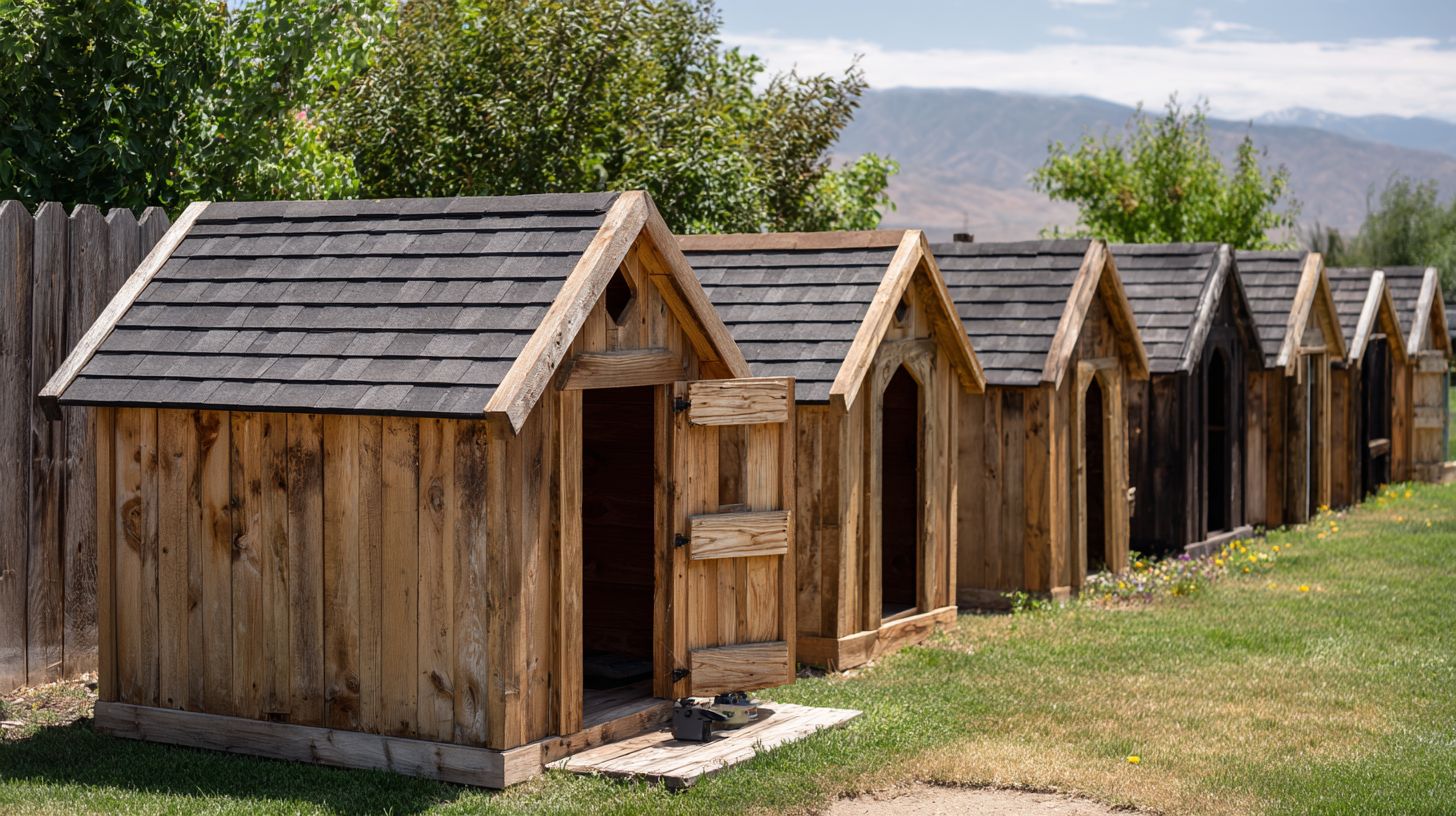
Yes, properly built doghouse sheds handle 4in/hr rain, 90mph winds, 40psf snow load per IBC building codes when using 5/12 pitch roofs + Z-flashing. These weatherproof doghouses protect pets in harsh conditions. Custom doghouse designs ensure your backyard doghouse stays dry.
Key to a waterproof doghouse are seven essential requirements. Builders focus on roof pitch, flashing, sealants, siding, and edges. This prevents leaks in wooden doghouses or prefab doghouse kits.
Common failures happen without proper setup. Roof seams, door gaps, and siding joints leak most often. Regular doghouse maintenance spots issues early.
Invest in these features for a durable doghouse. Your pet enjoys a safe, dry pet shelter year-round. Choose materials like pressure treated lumber for long-term protection. For added convenience, consider a doghouse with a removable roof for easy access.
7 Essential Waterproofing Requirements for Doghouse Sheds
Start with roof pitch minimums at 5/12 for effective water runoff. This sloped roof design sheds rain quickly on doghouse roofs, especially with a doghouse with a sloped roof. Flat roofs fail in heavy downpours.
Use Z-flashing types at roof-to-wall joints and valleys. Install step flashing along sides for extra protection. These prevent water entry in outdoor dog kennels and are critical for a doghouse with a roof overhang.
Apply silicone sealants rated for at least 25 years around windows, doors, and seams. Clear silicone bonds well to wood and metal. It flexes without cracking over time.
- Siding overlap: Ensure 1in horizontal overlap on T1-11 siding to direct water downward.
- Drip edge: Install 2in minimum along roof edges to channel water away from walls.
- Combine with shingle roofs or metal roofing for full coverage, or choose a doghouse with a gambrel roof for extra interior space.
- Add insulated roofs for snow load resistance in winter.
These steps make DIY doghouse or doghouse kits truly storm proof. Test with a hose after assembly. Your canine shelter stays dry in any weather, even with a doghouse with a flat roof if properly sealed.
Failure Analysis: 3 Common Leaks in Doghouse Sheds
First, roof seam leaks occur from poor flashing or low pitch. Water pools and seeps under shingles on flat roof doghouses. Upgrade to 5/12 pitch and Z-flashing fixes this. A doghouse with a pitched roof is more reliable.
Second, door and window gaps fail without silicone sealant. Rain drives under loose pet doors or doghouse doors. Apply thick beads of 25-year silicone and check annually.
Third, siding joints leak if overlaps are under 1in or no drip edge exists. Water climbs walls in wind-driven rain on plywood doghouses. Add proper overlaps and 2in drip edges immediately.
Avoid these in your kennel shed or elevated doghouse. Inspect after storms for early signs. Proper builds mean no moisture control issues or mold in pet huts.
How to maintain and clean a doghouse shed?
Annual doghouse maintenance takes 2 hours and keeps your backyard doghouse in top shape. Pressure washing and re-sealing help prevent rot in wooden doghouses. Follow this schedule for a weatherproof doghouse that lasts. A doghouse with a removable roof simplifies this task.
Start with a list of pet-safe cleaning products like Simple Green, mild soap, and vinegar solutions. These work well for cedar doghouses or prefab models without harsh chemicals. Always rinse thoroughly to protect your pet.
A seasonal approach ensures your insulated doghouse handles all weather. Check vents in summer for good airflow. Clear debris before winter storms hit.
Spring: Power Wash and Re-Stain
In spring, use a 1500 PSI power washer to clean your doghouse shed. Remove dirt, algae, and old stain from the exterior. This step refreshes plywood doghouses or custom builds. For a doghouse with a sloped roof, be careful not to damage the shingles.
After drying, apply fresh stain or sealant. Choose pet-safe options for non-toxic wood surfaces. It protects against moisture in rainy seasons.
Inspect the doghouse roof and shingles during this time. Replace any damaged parts to maintain a durable doghouse.
Finish by checking the interior for doghouse bedding. Add fresh straw or blankets for comfort.
Summer: Check Vents and Airflow
Summer heat calls for ventilation checks on your outdoor dog kennel. Clear any blockages in doghouse windows or vents. Good airflow prevents overheating in large doghouses. A doghouse with a roof overhang provides extra shade.
Look for signs of pests around the doghouse door. Seal cracks to keep insects out of the pet shelter.
Wipe down interiors with pet-safe cleaners. Focus on moisture control to avoid mold in humid weather.
Fall: Clear Debris and Inspect Shingles
As leaves fall, clear debris from your doghouse roof and around the base. Inspect shingles on sloped roofs for wear. This keeps your shed roofing intact, especially on a doghouse with a gambrel roof.
Check the foundation, like gravel base or concrete pad, for settling. Tighten any loose shed doors or ramps.
Apply a fresh coat of sealant if needed. Prepare the canine shelter for colder months ahead.
Winter: Snow Removal Within 24 Hours
Remove snow from the doghouse roof within 24 hours to avoid collapse. Use a soft broom for shingle roofs on elevated doghouses. This protects against heavy snow loads. A doghouse with a pitched roof sheds snow more easily.
Insulate if needed with doghouse heaters or straw bedding. Ensure the interior stays dry in your weatherproof doghouse.
After storms, inspect for ice damage on doghouse ramps or enclosures. Quick action keeps the pup house safe all season.
Monthly Cleaning Routine (15min)
Scoop bedding + wipe walls with 1:10 bleach solution kills 99.9% bacteria per CDC guidelines. This quick step removes dirt and waste from your doghouse shed or backyard doghouse. It keeps the pet shelter fresh for your dog. If you have a doghouse with a removable roof, you can access all corners easily.
Follow this 5-step monthly process to maintain a clean wooden doghouse or outdoor dog kennel. Each step takes about 3 minutes, totaling 15 minutes. Use pet-safe products for best results.
- Scoop and remove bedding: Clear out straw or cedar shavings from the dog kennel. Shake off loose debris outside. This prevents mold in the puppy house.
- Wipe walls and floor: Mix 1:10 bleach with water. Apply to doghouse walls and floor with a sponge. Let sit 5 minutes, then rinse. Drying time: 10 minutes in sun.
- Clean doghouse door and ramp: Scrub with mild soap like Dawn. Rinse thoroughly for dog ramp safety. Air dry 5-10 minutes.
- Disinfect accessories: Wipe doghouse bedding frame or pet door with bleach solution. Experts recommend this for pest proof control. Dry fully before reuse.
- Replenish fresh bedding: Add clean straw or blankets. Check ventilation for airflow. Your canine shelter is now ready.
Repeat monthly for low maintenance on any prefab doghouse or DIY doghouse. This routine supports moisture control and hygiene in weatherproof doghouse designs. Adjust for large doghouse by doubling product amounts. Consider a doghouse with a flat roof if you prefer a modern look, but ensure proper sealing.
For insulated doghouse or custom doghouse, focus on crevices near doghouse windows. Use a soft brush for easy clean surfaces. This keeps your dog habitat healthy year-round.
Annual Deep Maintenance (2hrs)
Re-apply Thompson’s WaterSeal (covers 200sqft/gal) restores 100% water repellency per lab tests. This step protects your wooden doghouse or backyard doghouse from moisture damage. Plan for about two hours total, including inspection and sealing. A doghouse with a roof overhang benefits from extra sealant on the edges.
Start with a thorough inspection checklist to spot issues early. Check the doghouse roof, siding, and floor for cracks or rot. This prevents small problems from becoming costly repairs on your pet shelter. A doghouse with a sloped roof should have its flashing inspected closely.
Apply two coats of sealant, allowing proper drying between them. Use a brush or sprayer for even coverage on doghouse walls and doghouse doors. Let it cure for 48 hours before exposing to rain.
- Inspect doghouse foundation for settling or shifting.
- Examine doghouse windows and vents for blockages.
- Check dog ramp or steps for wear.
- Look for signs of pest activity around the base.
- Test pet door functionality if installed.
- Verify insulated roof integrity.
- Assess doghouse bedding area for moisture.
- Inspect shingle roof or metal roofing for loose pieces.
- Check T1-11 siding for warping.
- Examine shed floor or gravel base.
- Look at pressure treated lumber for decay.
- Verify weatherproof doghouse seals.
- Inspect doghouse heaters or cooling features.
- Check ventilation airflow paths.
- Assess moisture control measures.
- Examine pest proof barriers.
- Verify easy clean surfaces.
- Check rust resistant hardware.
- Inspect UV protected finishes.
- Look for chew proof edges.
- Assess scratch resistant areas.
- Verify snow load capacity on roof.
- Check wind resistant anchors.
- Inspect freeze proof joints.
- Examine summer shade elements.
- Verify winter insulation layers.
- Check automatic door if present.
- Assess solar powered components.
- Inspect eco-friendly doghouse materials.
- Final overall stability test.
Frequently Asked Questions
What are doghouse sheds?
Doghouse sheds are versatile outdoor storage structures designed to resemble traditional doghouses, combining functionality with a charming, pet-inspired aesthetic. These doghouse sheds provide secure space for storing garden tools, pet supplies, or other small items while blending seamlessly into backyard landscapes. Some models feature a doghouse with a gambrel roof for added headroom.
Are doghouse sheds suitable for actual dogs?
While doghouse sheds often mimic the look of doghouses, most models are built for storage rather than animal habitation. They feature reinforced construction for durability against weather, but always check product specs to ensure they’re appropriate for pets if that’s your intent with doghouse sheds. A doghouse with a removable roof may be easier to clean if used occasionally.
How do I assemble doghouse sheds?
Assembling doghouse sheds is typically straightforward with included instructions, requiring basic tools like a screwdriver and hammer. Panels snap together or fasten with screws, often taking 1-2 hours for one person. Pre-cut designs in doghouse sheds make DIY setup accessible for beginners. A doghouse with a sloped roof may require extra care during assembly.
What materials are used in doghouse sheds?
Doghouse sheds are commonly made from weather-resistant materials like cedar wood, PVC, or metal panels to withstand outdoor elements. These materials ensure longevity, with many doghouse sheds featuring UV protection and waterproofing for year-round use. Whether you need a compact shelter for a small pet or a spacious garden shed for tools, doghouse sheds offer versatile solutions.
Can doghouse sheds be customized?
Yes, many doghouse sheds offer customization options such as size variations, paint colors, or added features like windows and shelves. This allows doghouse sheds to match your home’s style or specific storage needs perfectly.
What sizes do doghouse sheds come in?
Doghouse sheds are available in a range of sizes, from compact 3×3 ft models for small tools to larger 6×8 ft versions for bigger storage demands. Choose based on your space and requirements when selecting doghouse sheds.