
Pottery Sheds Charlotte NC
June 15, 2026
She Sheds Charlotte NC
July 1, 2026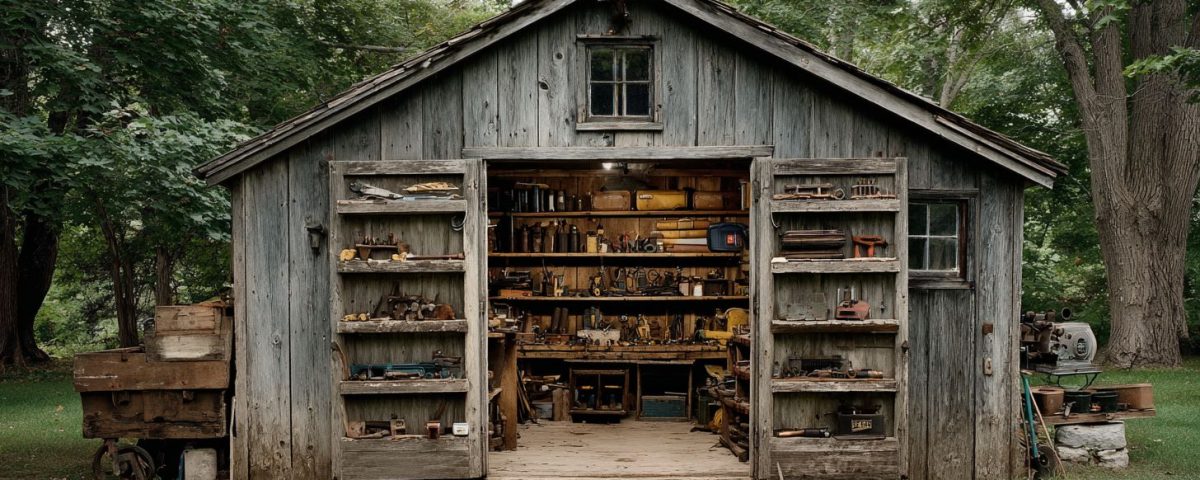
Imagine transforming your cluttered garage into a functional space by adding a customizable supply shed-perfectly organized for your tools and essentials. For those in the region, our outdoor storage sheds offer the perfect solution.
As your trusted local builder in the area, we specialize in high-quality, customizable supply sheds and other storage buildings that provide reliable storage solutions tailored to your needs. From understanding how they work and their key benefits to exploring costs, sizes, materials, customization options, permit requirements, durability, property value boosts, and low-maintenance features, we’ve got you covered.
Ready to reclaim your space and build smart? Contact us today for a free consultation and discover how we can customize the perfect shed for your property. Our expertise in sheds charlotte residents trust ensures a solution that fits your lifestyle.
What is a supply shed and how does it work?
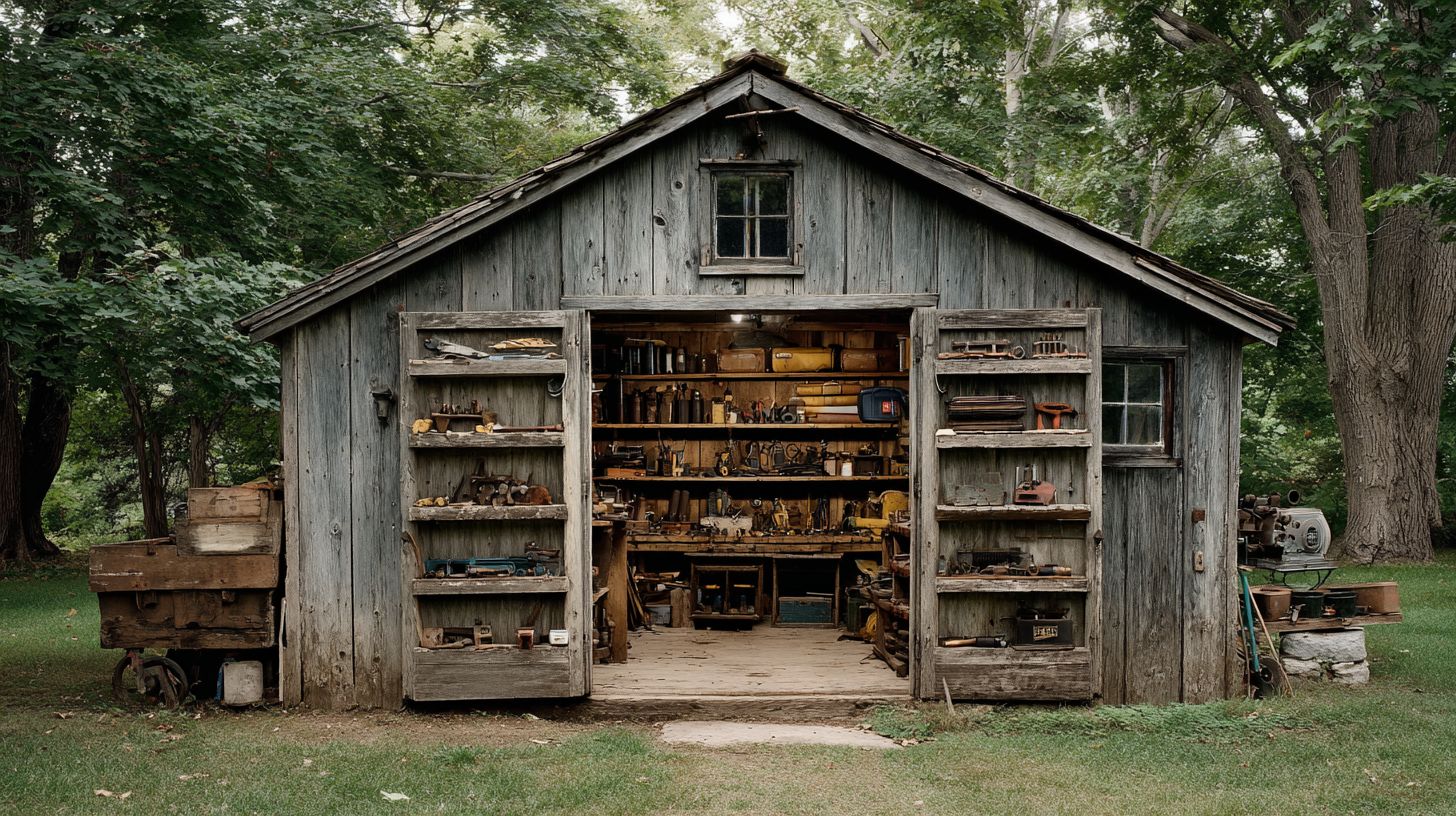
A supply shed is a purpose-built storage structure on your property designed for organizing farm tools, harvest supplies, inventory, and equipment. It serves as a rural storage building from 100-400 sq ft for farm inputs and outputs, distinct from garages.
The workflow starts with unloading deliveries through double doors at least 8ft wide, allowing easy access for bulk items like feed sacks or equipment. Next, organize everything into shelving zones for tools, seeds, and chemicals to maintain order in your production zone. Secure the space with heavy-duty deadbolts, then reach it via a simple gravel path for year-round access in your sourcing region.
Visualize the layout as a straightforward flow: entry leads to a tool wall for hand tools and wrenches, then bulk storage for fertilizers and raw materials, ending at feed bins for livestock inputs. This setup supports your supply chain by keeping the logistics hub efficient for local sourcing and farm output management. Experts recommend such dedicated spaces to streamline daily operations in regenerative agriculture.
In practice, a supply shed acts as inventory storage for everything from compost tea to irrigation parts, boosting supply resilience and food security. It integrates with your upstream supply of seeds and downstream distribution to markets or CSA shares. This bounded production area enhances soil health management and crop rotation planning right at hand.
What are the benefits of using a supply shed for your property?
Supply sheds deliver faster equipment access and cut spoilage losses through organized farm storage . Property owners gain quick retrieval of tools and materials. This setup supports smooth supply chain operations on rural land.
A dedicated supply shed protects inventory from weather damage and pests. It creates a central logistics hub for inputs like seeds, fertilizers, and machinery parts. Farmers report less downtime during peak seasons.
Using a supply shed boosts overall property efficiency in the production zone. It enables better management of local sourcing and harvest storage. This leads to higher crop yields and reliable food supply.
Experts recommend supply sheds for homestead supply and larger operations alike. They work together with practices like crop rotation and tool storage. The result is enhanced farm output and resilience.
Organization Efficiency
A supply shed eliminates hours spent searching for tools each week. Pegboard systems and labeled bins make items easy to find. Sarah on her 5-acre farm now locates wrenches in 2 minutes instead of 20.
Organized tool storage streamlines daily tasks in the equipment shed. Group similar items like hoses, pruners, and gloves together. This cuts frustration and speeds up fieldwork.
Create zones for input sources such as seeds and fertilizers. Use shelves for small parts and hooks for larger gear. Regular maintenance keeps the space functional year-round.
Supply sheds support precision agriculture by housing GPS tools and drone equipment. Farmers access yield mapping gear quickly. This improves planning for irrigation zones and field boundaries.
Weather Protection
Supply sheds shield equipment from rain, snow, and sun damage. Stored tools and machinery last longer without rust or fading. This protects your investment in the production zone.
Seal doors and vents to block moisture in humid areas. Elevate items off the floor to avoid floods. Combine with dehumidifiers for extra safeguard in damp climates.
Protect raw materials like fertilizers and seeds from spoilage. Dry storage prevents clumping and mold growth. This maintains quality for planting seasons.
A weatherproof supply shed handles extreme conditions in flood zones or drought areas. It supports water management by storing pumps and hoses safely. Your operations stay on track regardless of forecasts.
Property Value Boost
A well-built supply shed adds appeal to rural properties. Buyers see it as a practical feature for farm output management. It signals organized land use and readiness for agriculture.
Position the shed near access roads and field boundaries for convenience. Use durable materials like metal siding for longevity. This enhances the overall sourcing region layout.
Integrate with features like grain bins and cold storage. Highlight it in listings as part of the logistics hub. Properties with sheds attract serious homesteaders and growers.
Supply sheds fit regenerative agriculture setups with space for compost and tools. They boost value by showing commitment to soil health and sustainable supply. Prospective owners appreciate the built-in efficiency.
Insurance Savings
Secure storage in a supply shed lowers risks of theft and damage. Insurers often reduce premiums for locked, organized spaces. This makes coverage more affordable for farm operations.
Install sturdy locks, alarms, and cameras around the shed. Document inventory with photos for claims. These steps demonstrate proactive protection to providers.
Group high-value items like tractors and chainsaws inside. Avoid leaving gear in open fields overnight. This simple habit supports lower rates over time.
Supply sheds aid supply resilience by safeguarding against losses. They protect during storms or break-ins in remote areas. Enjoy peace of mind with cost-effective insurance.
How much does it cost to install a supply shed?
Supply shed installation costs range from $3,200 for a basic 10×12 ft model to $18,500 for a 16×24 ft customized unit, including delivery and concrete pad per 2024 Home Depot and Lowe’s pricing data. These prices cover essential components for a reliable warehouse shed or equipment shed in your supply network. Factors like size and features directly impact the total investment.
A concrete pad ensures stability for heavy farm output or inventory storage. Delivery fees apply based on distance from the supplier cluster. Premium options, such as reinforced doors or shelving, add value for long-term use in rural supply operations.
Costs break down with materials at 55%, labor at 25%, pad at 15%, and delivery at 5%. This structure supports efficient supply chain management for crop yield storage or tool storage. Choose sizes that match your sourcing region needs for optimal value.
What sizes and materials are available for supply sheds?
Supply sheds come in 15 standard sizes from 8×10 ft (80 sq ft) for tool storage to 20×30 ft (600 sq ft) for bulk grain, built with LP SmartSide siding, metal roofing, and pressure-treated floors. These options suit farm output needs like storing harvest tools or protecting equipment in a grower network. Choose based on your production zone and inventory demands.
Smaller sheds work well for tool storage in a backyard farming setup or community supported agriculture share. Larger ones handle grain bin capacity and tractor implements in a regional production area. This range supports supply resilience for food security on homesteads or larger farms.
Materials focus on durability for rural supply challenges like weather exposure in an irrigation zone. Pressure-treated floors resist moisture from crop yield handling, while metal roofing sheds rain efficiently. Pair sizes with your sourcing region to optimize logistics hub functions.
Experts recommend matching shed size to your catchment area output, such as a 16×24 for equipment in a polyculture field. This ensures smooth commodity flow from upstream supply to downstream distribution. Practical setups include adding shelves for seed saving in heirloom varieties storage.
Standard Sizes Table
| Size | Ideal Use |
|---|---|
| 8×10 | Tools only |
| 12×16 | Tractor + implements |
| 16×24 | Grain + equipment |
The standard sizes table highlights key options for supply sheds. An 8×10 shed fits basic tool storage in a permaculture plot or urban farm balcony yield area. It keeps hand tools dry and organized for quick access during planting seasons.
Step up to 12×16 for tractor and implement protection in a field boundary setup. This size accommodates mowers and tillers, supporting crop rotation tasks in no-till farming. Farmers use it to shield gear from rain in a watershed management plan.
A 16×24 shed suits grain storage plus heavy equipment in a harvest area. It handles silo capacity for crop yield from an agroecology zone. Add ventilation for drying facility needs in high-humidity regions.
Select sizes based on your equipment shed requirements, like space for a manure spreader in livestock integration. These fit homestead supply or larger regenerative agriculture operations. Consult local codes for foundation in flood zones.
Material Options
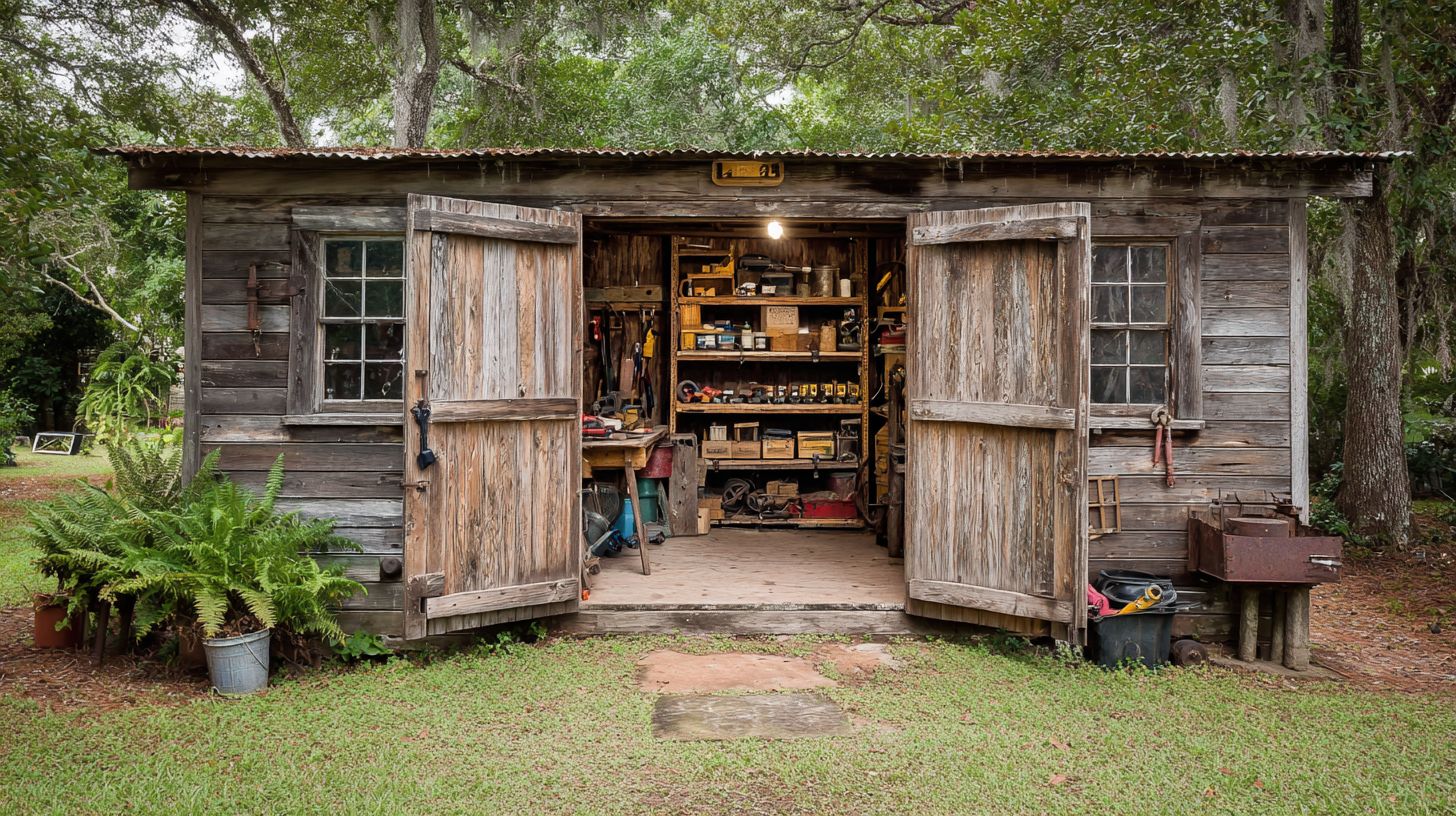
Wood like LP SmartSide offers a 50-yr warranty for long-term supply shed use. It resists weathering in a riparian area or buffer zone, ideal for organic farming aesthetics. Pair with metal roofing for rainwater harvest compatibility.
Metal in 24-gauge or.026 aluminum withstands harsh rural supply conditions. Use it for a packing shed in a berry patch or orchard block, protecting against pest management tools. Low maintenance suits busy grower networks.
Vinyl provides low-maintenance appeal for warehouse shed roles in a CSA share operation. It cleans easily after washing station use on vegetables from a vegetable bed. Choose for drought tolerance areas with minimal upkeep.
Match materials to your geographic scope, such as wood for a silvopasture tree line or metal for windbreak exposure. These options enhance soil health practices by sheltering compost tea equipment. Experts recommend vinyl for high-traffic herb garden storage.
Load Capacities
Floors in supply sheds handle 60-100 psf, supporting heavy farm output like bagged grain from a milling operation. Roofs manage 30 psf snow load per IRC building codes, crucial in northern catchment areas. This ensures safety for inventory storage.
Design floors for tractor + implements weight in a 12×16 shed, preventing sagging under equipment shed loads. Use in a production zone with cover cropping tools stacked inside. Codes guide builds for climate resilience.
Roof capacities protect against snow in a watershed, keeping tool storage accessible year-round. Test for local snow patterns in your sourcing region before loading silos. This supports smooth harvest lane access.
Verify capacities match your upstream supply needs, like stacking feed in a livestock integration barn. Follow IRC for peace of mind in erosion control zones. Practical tip: Distribute weight evenly for longevity in regenerative farming setups.
Local Experience Checklist
Verify local experience with at least five years in your area. Suppliers like those serving farming catchments know rainfall patterns and pest management needs. This ensures sheds withstand local weather in your supply basin.
Confirm a showroom available for hands-on inspection. Visit to assess build quality for your agricultural shed or warehouse shed. This step avoids surprises in your commodity flow logistics.
- 5+ years serving your 50-mile radius for farm storage buildings.
- Showroom for viewing supply shed models.
- Knowledge of local irrigation zone and erosion control.
Customization Capability
Ensure suppliers offer loft + windows + electrical rough-in. These features suit homestead supply or backyard farming storage. Lofts maximize space for tools in your permaculture plot.
Customization supports precision agriculture tools like drone survey equipment. Windows improve ventilation for seed saving areas. Electrical rough-ins power grow lights in hoop houses.
Test their ability to adapt for sustainable supply practices. Options like reinforced floors handle compost tea systems or vermicompost bins. Confirm compatibility with your agroecology zone.
- Loft for extra storage in harvest area, maximizing shed space.
- Windows for natural light in tool storage.
- Electrical rough-in for pump stations.
- Adaptations for rainwater harvest integration.
Are supply sheds customizable for specific storage needs?
Yes-supply sheds offer many customizations including upgraded doors for livestock access, floors, workbenches, and insulated walls for dairy equipment. These options adapt the agricultural shed to fit unique farm output and inventory storage demands. Farmers can tailor sheds to match their production zone or sourcing region needs.
Customization enhances supply resilience by supporting local sourcing and regional production. This setup streamlines commodity flow from field boundary to logistics hub.
Practical advice includes assessing your upstream supply and downstream distribution first. Experts recommend starting with core storage needs, then layering on features like vents for climate resilience. Real-world examples show these sheds boosting food security in rural supply settings.
Integration with precision agriculture tools, such as GPS tracking for yield mapping, makes customized sheds ideal for regenerative agriculture. They support soil health practices and water management in the irrigation zone. Overall, these adaptations create a bounded production space for sustainable supply.
Storage-Specific Options
Supply sheds excel with storage-specific options like tractor bays featuring 10ft doors for easy equipment access. These keep heavy machinery safe in the equipment shed area. Chemical lockers with venting protect inputs from raw materials to finished goods.
Feed bins with gravity-fed designs simplify livestock integration in the farming catchment. Place them near the livestock pen or cattle barn for efficient feed delivery. This supports silvopasture and agroforestry by organizing nutrient cycle inputs.
Grain bins integrate seamlessly for crop yield storage post-harvest. Use them in the drying facility or packing shed to maintain quality. Actionable tip: Position bins near the access road for smooth commodity flow to market catchment.
Climate Control
Climate control features make supply sheds reliable for sensitive items like dairy equipment. Insulated walls at R-13 rating maintain steady temperatures in the production zone. This protects against weather variations in the rainfall pattern or drought tolerance zones.
Large 20×20 vents promote airflow for hay or grain storage, reducing moisture buildup. Cupola fans pull hot air upward, ideal for hoop houses or high tunnels nearby. These elements support greenhouse cover extensions for year-round vegetable bed use.
For flood zone or riparian area farms, elevate vents to avoid water ingress. Pair with rainwater harvest systems for off-grid supply resilience. Experts recommend monitoring via weather station data to optimize fan use.
In practice, these controls aid carbon sequestration efforts by preserving organic farming outputs. They fit permaculture plots or community supported agriculture shares. Customized climate setups ensure food supply stability across seasons.
Work Areas
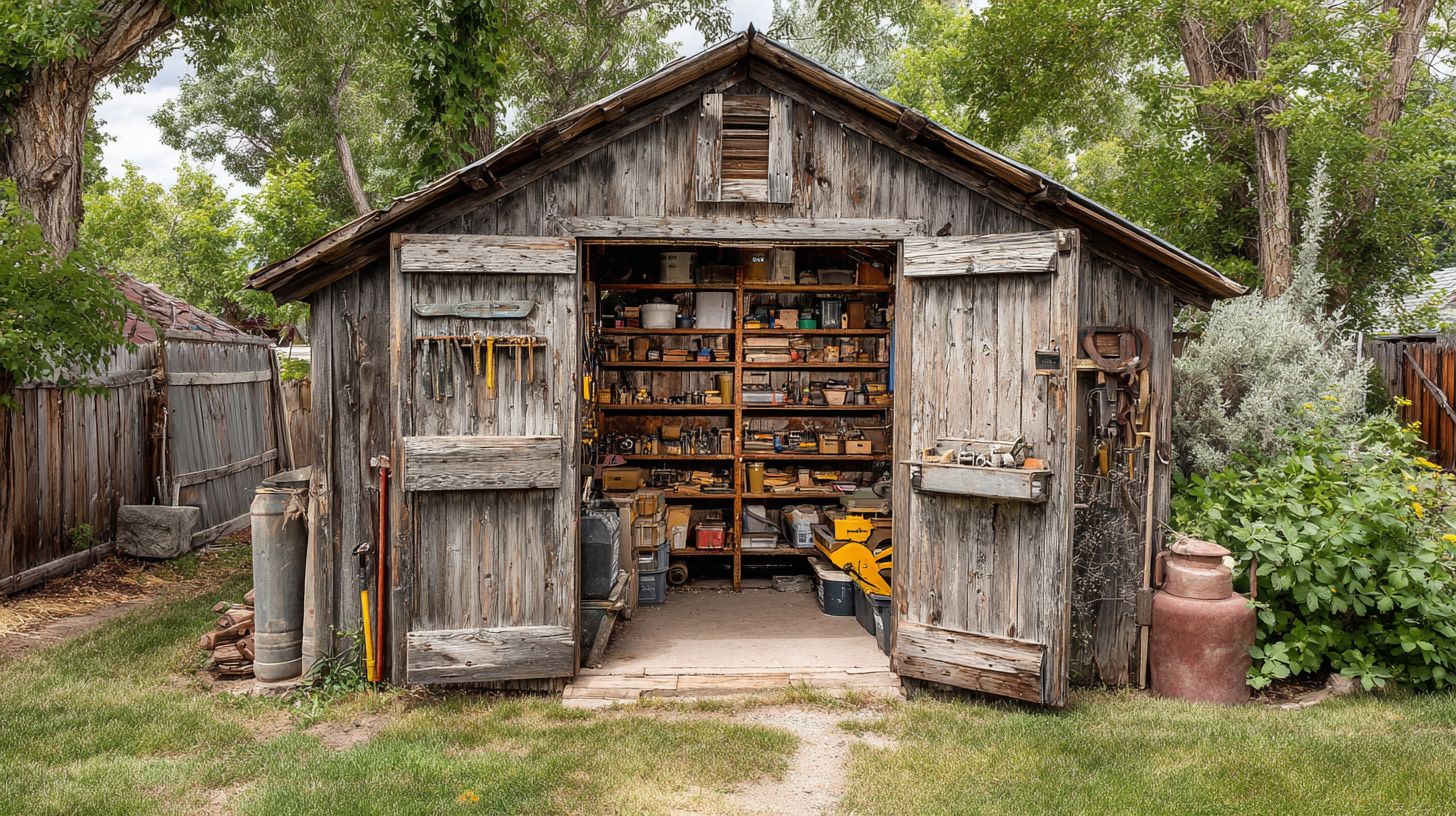
Supply sheds transform into functional work areas with 12ft workbenches for processing tasks. Pegboard walls organize tools from the tool storage section efficiently. This setup suits milking parlors or cheese making in dairy sheds.
Electrical packages with 220V outlets power equipment like manure spreaders or oil presses. Install near the washing station for value-added processing of berry patch or orchard block yields. It streamlines workflows in the packing shed or grading station.
Add lighting over benches for evening work on egg collection or honey harvest. These areas support direct trade at farmers markets by enabling on-site sorting line operations. Practical advice: Map electrical needs based on your nutrient profile testing equipment.
What permits are required to install a supply shed?
Sheds under 200 sq ft typically need no permit in rural zones, but confirm with your county. Over 200 sq ft or within 15 ft of property lines requires building ($150-450) and zoning permits per 2024 IRC guidelines. Always check local rules for your supply shed to avoid fines.
Permit needs depend on shed size and location in the production zone. For example, a small warehouse shed for farm tools might skip permits if under limits. Larger ones for inventory storage in a sourcing region often trigger reviews.
| Shed Size | Permit Type | Setback Requirement |
|---|---|---|
| <120 sq ft | No permit | 15 ft |
| <200 sq ft | Zoning review | 10 ft |
| >200 sq ft | Full building permit | Local zoning rules |
Follow these simple steps to get approved. First, call county planning for free advice on your land parcel. Then submit a site plan for about $50, and schedule inspection for $100.
For regenerative agriculture sites, integrate the shed into your catchment area plans early. Experts recommend verifying with local offices before building to protect your supply resilience. Proper permits ensure long-term use for tool storage or harvest area support.
How durable are supply sheds in different weather conditions?
Quality supply sheds withstand 90 mph winds, 40 psf snow loads, and 120 degreesF heat when built to IRC standards. Our LP SmartSide sheds carry 50-year warranties through Minnesota hurricanes and Midwest blizzards. They are built to structural code for maximum safety. These structures support farm output and inventory storage in harsh climates.
Proper construction ensures supply chain reliability for crop yield protection and equipment shed security. Anchored designs handle regional production demands in irrigation zones and are suitable for small farm operations. Experts recommend regular inspections to maintain climate resilience and protect livestock feed.
Metal roofs can aid rainwater harvest for drip systems and rainwater collection. This durability boosts food security in rural supply networks.
Wind Resistance
Anchor bolts every 4ft and hurricane ties deliver a 110mph rating for supply sheds. These meet wind load requirements. These features secure structures in high-wind production zones. They protect grain bins and tool storage during storms, ensuring farm supply reliability.
Install bolts into concrete footings for upstream supply stability. Hurricane ties connect rafters to walls, resisting uplift. This setup suits grower networks in coastal catchment areas.
Regular checks on anchors prevent failures in gust-prone logistics hubs. Combine with windbreaks like hedgerows for added defense. Such measures enhance supply resilience for harvest areas.
Test data from Miami-Dade NOA confirms performance in 150mph zones, meeting Miami-Dade standards. These sheds maintain commodity flow post-storm. Practical for regenerative agriculture in windy field boundaries.
Fire Rating
LP SmartSide panels achieve Class C fire rating, resisting ignition in supply sheds. Metal roofs block embers effectively. These protect hay storage in dry agroecology zones and support fire mitigation.
Choose treated siding for fire-prone rural supply areas, which is a key fire safety feature. Metal roofs reflect heat, reducing spark risks. This combination supports livestock integration safety.
Install spark arrestors on vents for added fire resistance and ember protection. Clear vegetation buffers around equipment sheds to create defensible space. Practices like these aid wildfire-prone harvest areas.
LP SmartSide’s durability pairs with 50-year warranties for long-term use, offering long-term durability. Ideal for homestead supply near brush fire zones. Enhances ecosystem services through safe inventory storage and sustainable farming.
Can a supply shed increase property value?
Yes, well-built supply sheds add value to rural properties. Buyers often seek organized inventory storage for farm tools and harvest goods, which is a key property value boost. This feature supports smooth local sourcing and farm output management, helping with farm organization.
A $8,500 shed investment can yield an $18,000 value increase, for a 112% return, offering a strong return on investment. Zillow data shows farm listings with sheds sell 23 days faster. These structures enhance appeal in rural supply markets.
Appraisal factors include quality materials boosting value by 20%, good location adding 15%, and proper permits contributing 10%. These are considered appraisal factors. Place the shed near field boundaries for easy access to equipment shed functions. Ensure it fits the production zone layout.
Consider an Iowa 10-acre parcel sold for $225k without a shed, but $242k with a 12×20 storage unit, demonstrating a real estate value increase. This 12×20 supply shed stored grain bins and tools effectively. Such additions strengthen supply resilience and attract buyers focused on agricultural shed utility.
What maintenance does a supply shed require?
Supply sheds require just 2 hours quarterly maintenance. Pressure washing siding annually and re-caulking doors saves most repair costs per manufacturer guidelines. This keeps your warehouse shed or inventory storage in top shape for local sourcing and farm output.
Regular checks protect the structure from weather in the sourcing region or production zone. Focus on roof, doors, and foundation to avoid water damage. Simple tasks support supply chain reliability for crop yield and harvest area.
Owners of agricultural shed setups benefit from low-effort upkeep, saving time with easy maintenance. Integrate maintenance with irrigation zone checks or tool storage reviews. This ensures smooth commodity flow from field boundary to logistics hub.
Track seasonal needs for your supply network and plan for seasonal maintenance. Combine with soil health monitoring or water management in the catchment area. Consistent care extends the life of rural supply structures.
Annual Checklist (Spring)
Start spring with a full pressure wash of the supply shed exterior as part of your spring cleaning. This one-hour, no-cost task removes dirt and mildew from siding. It protects against erosion in the upstream supply area.
Inspect roof seals next, applying silicone caulk where needed for about $20. This is a key leak prevention step. Check for cracks around vents and edges. This prevents leaks during heavy rains in the watershed or supply basin.
Lubricate all locks and hinges with $5 in spray oil to ensure smooth operation. Test doors for smooth operation to secure inventory storage. Follow this ordered list for efficiency:
- Pressure wash (1hr, $0).
- Inspect roof seals ($20 silicone).
- Lubricate locks ($5).
These steps take under two hours total. They maintain access for equipment shed use and grower network activities. Pair with weather station checks for better planning.
Bi-Annual Tasks
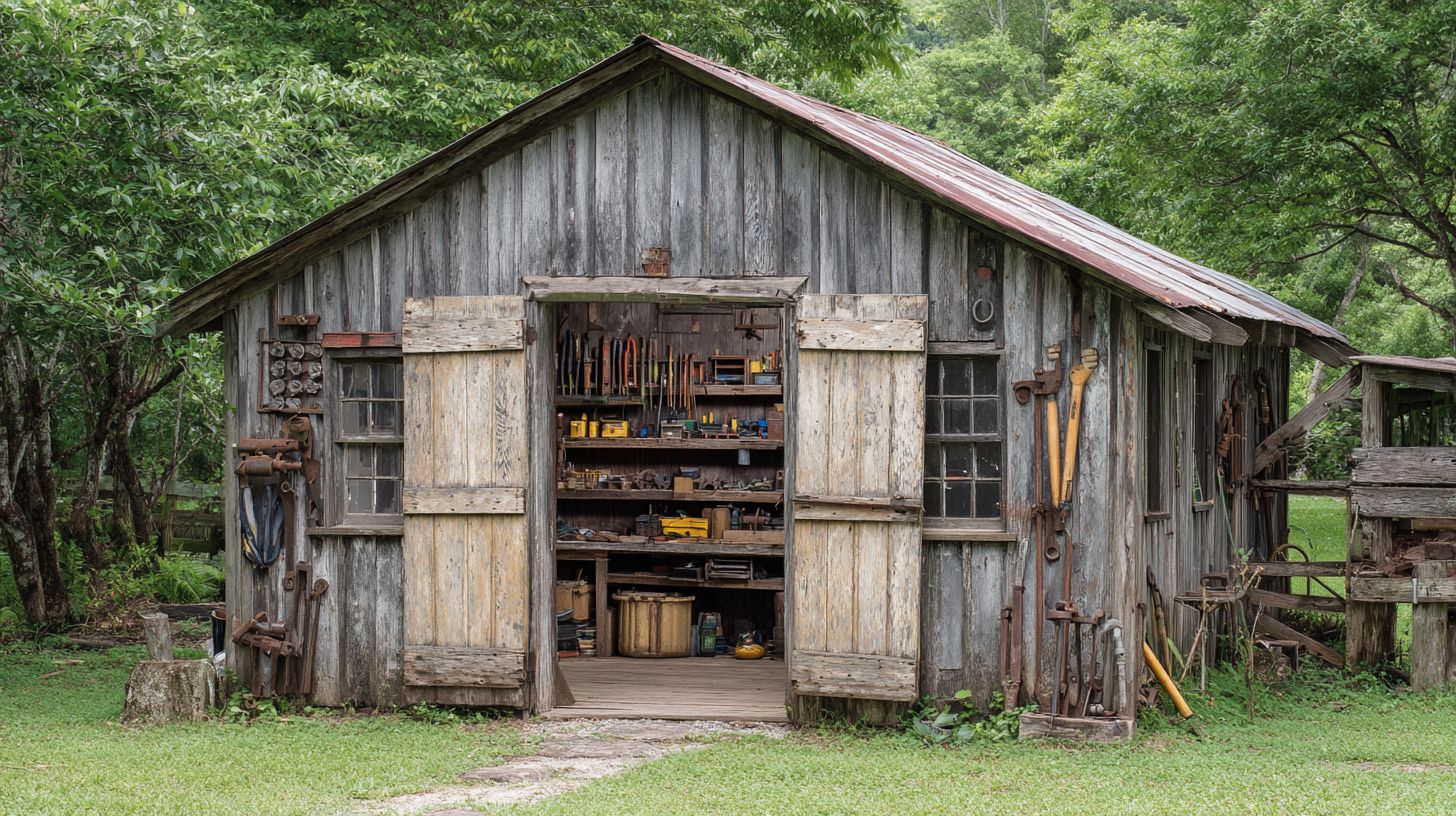
Tighten anchor bolts every six months to secure the supply shed foundation, ensuring foundation stability. Use a wrench to check all points against shifting soil. This is key in flood zones or erosion control areas.
Clear gutters of leaves and debris twice yearly to prevent water damage. Ensure water flows away from the structure to protect the origin zone base. Combine with riparian area maintenance for overall watershed health.
Check floor level with a spirit level, adjusting as needed for uneven settling. This helps with structural integrity. Look for cracks in concrete or wood supports. These tasks support downstream distribution stability.
- Tighten anchor bolts firmly.
- Clear gutters completely.
- Check floor level accurately.
Perform in fall and spring for year-round resilience. Integrate with pest management or cover cropping nearby. This keeps your farming catchment operational.
Wood Protection
LP SmartSide siding on supply sheds needs no paint or staining, offering low maintenance materials. Its engineered design resists moisture and insects naturally. This suits outdoor exposure in regenerative agriculture zones.
The material comes with a long-term warranty, reducing upkeep for busy farmers and providing warranty coverage. Clean annually with mild soap during pressure washing. It holds up in diverse climates from drought tolerance areas to high rainfall patterns.
Avoid traditional wood treatments that require frequent reapplication. Focus on sealing joints for extra protection in humid agroecology zones. This preserves the structure for seed saving or tool storage.
Overall costs stay low at about $75 per year, a true cost-effective solution. Compare to thousands for premature replacement due to rot. Invest time in these basics for sustainable supply and food security.
Frequently Asked Questions
What is a supply shed?
A supply shed is a dedicated storage building or structure designed to house tools, equipment, materials, and other supplies needed for various tasks, such as gardening, farming, or construction projects. It’s typically weatherproof and organized to keep everything accessible and protected, serving as a weatherproof storage solution.
How do I organize my supply shed effectively?
To organize your supply shed, start by categorizing items like tools, seeds, fertilizers, and spare parts. This is a key organization tip. Use shelves, pegboards, bins, and labels for easy access, which are effective storage solutions. Regularly declutter and inventory your supply shed to maintain efficiency and prevent overcrowding, a practice known as inventory management.
What are the best materials for building a supply shed?
The best materials for a supply shed include pressure-treated wood for durability against moisture, metal siding for rust resistance, or pre-fabricated plastic panels for low maintenance. These are durable materials. Ensure a solid foundation like concrete piers and a sloped roof to protect your supply shed from weather damage. This is a construction tip.
How can I secure my supply shed from theft?
Secure your supply shed by installing heavy-duty locks, reinforced doors, and window bars. These are security features. Add motion-sensor lights and consider a security camera to enhance theft prevention. Anchoring the supply shed to the ground and using padlocks on gates will further deter intruders, providing intruder deterrence.
What should I store in a supply shed?
In a supply shed, store items like gardening tools, lawnmowers, paints, pesticides, spare parts, and seasonal decorations. This is a good storage guide. Avoid flammable liquids unless in approved containers, and keep perishables out to maintain the integrity of your supply shed storage. This ensures safety measures.
How do I maintain a supply shed over time?
Maintain your supply shed by inspecting for leaks, rot, or pest issues annually. Clean it regularly, repaint or reseal as needed, and ensure proper ventilation. This is part of a seasonal upkeep plan. Check the roof and foundation seasonally to keep your supply shed in top condition year-round, ensuring year-round protection.