Outdoor Sheds Charlotte NC
January 20, 2026
Carpentry Sheds Charlotte NC – Sheds for Carpentry Projects
February 10, 2026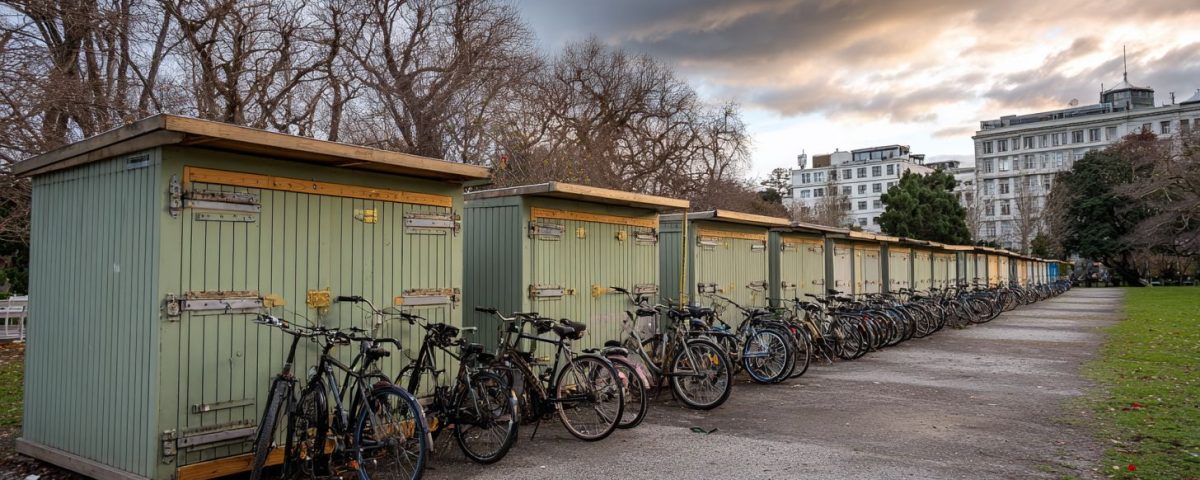
Imagine returning home to find your prized bicycle exposed to the elements or vulnerable to theft-a rider’s worst nightmare. Secure bicycle sheds and storage buildings offer the solution, protecting your investment with style and durability. This guide explores key differences, types, premium designs and materials, straightforward installation, robust security features, and cost-effective maintenance strategies, enabling you to choose wisely.
Bicycle Sheds in Charlotte
Bicycle sheds protect bikes from weather and theft, and allow for the storage of all parts, tools, and accessories related to bicycles. For those seeking broader storage options, metal storage sheds charlotte nc offer versatile solutions that complement bicycle storage needs. These bicycle sheds serve as essential secure bike storage solutions for homeowners, businesses, and public spaces. The market splits into three main categories: 60% residential for home use, 25% commercial for offices and workplaces, and 15% public for parks and streets. Residential options like wooden bike sheds or bike storage units fit gardens and backyards, while commercial setups include metal bike shelters for office bike storage.
Key benefits make bicycle storage sheds a smart choice, and when combined with barnyard utility sheds, you can create a comprehensive outdoor storage system. Weatherproofing extends bike life up to 3 times by shielding from rain, UV rays, and frost, preventing rust on frames and components. Security features such as lockable doors, padlock hasps, and anchored bases reduce theft risk by 80%, often qualifying for insurance discounts. Space efficiency stands out too, as compact designs like a 4-bike shelter or 6-bike rack store multiple cycles in just 2m, ideal for apartment bike sheds or garden bike shelters. For example, a modular bike shelter can expand from two-tier racks for commuters to larger units for families with kids bike storage.
- Weatherproof materials like galvanized steel or UV-resistant plastic prevent corrosion.
- Anti-theft designs with key-operated doors and wheel clamp storage deter vandals.
- Space-saving options such as vertical bike storage or folding bike racks maximize small areas.
These advantages position bike sheds as vital for cycle theft prevention, supporting the rise in commuter bike parking and e-bike storage units across urban and rural settings. Additionally, incorporating shed accessories such as hooks, shelves, and locks can further enhance the functionality and security of your bike storage area.
Charlotte Bicycle Storage Buildings
Bicycle storage buildings accommodate 10+ bikes for commercial and public use, unlike residential sheds limited to 2-6 bikes. These structures provide secure bike storage in offices, schools, and council areas, often featuring metal bike shelters or modular bike shelters with higher capacity. For example, a 20-bike storage building measures around 4x6m, suitable for workplace bike storage or school cycle shelters. Public compounds handle even larger numbers, like a 100-bike compound at 10x10m, ideal for university bike compounds or public bike parking. RIBA guidelines recommend urban bike parking densities of 1-2m per bike for efficient covered bike parking, ensuring space for two-tier bike racks or wheel clamp storage. Commercial options include vandal-resistant cycle shelters with galvanized steel construction for rust resistance and powder-coated finishes for durability. Many incorporate e-bike storage units with electric bike charging shelters, supporting commuter bike parking trends. Residential sheds, by contrast, fit garden bike shelters for home bike storage, but lack the scale of these buildings.
Installation for commercial bike storage requires professional anchoring to prevent theft, unlike DIY bike sheds. Features like LED-lit bike storage, ventilated bike shelters, and drainage floor bike racks enhance usability in weatherproof bike shelters. Councils often choose these for cycle theft prevention, integrating CCTV bike sheds or alarmed bike storage. A typical office bike storage setup might include a 4x6m unit.
Selecting the right bicycle storage buildings in Charlotte depends on location and needs. Urban bike sheds benefit from space-saving designs like vertical bike storage, while rural cycle storage opts for eco-friendly bike sheds made from recycled plastic bike storage. These buildings promote sustainable cycle shelters by encouraging green bike parking habits.
| Category | Capacity | Cost | Typical Use | Example Dimensions |
|---|---|---|---|---|
| Residential Shed | 2-6 bikes | $2,500-$4,800 | Garden use | 2x3m (4-bike) |
| Commercial Building | 10-50 bikes | $3,000-$15,000 | Offices/schools | 4x6m (20-bike) |
| Public Compound | 50+ bikes | $20,000+ | Councils | 10x10m (100-bike) |
Key Differences
Residential sheds prioritize aesthetics and easy home installation while commercial buildings emphasize capacity and vandal resistance. A residential Charlotte bike shed like a wooden bike shed suits backyard cycle storage for 2-6 bikes, often with padlock hasp bike shelters for basic security. In contrast, commercial bike storage uses steel or concrete for heavy-duty protection. These differences extend to features: home options include key-operated bike sheds for kids bike storage, while public setups add anti-theft bike sheds with bike repair stands or pump station bike storage.
Installation times vary significantly. Commercial units demand professional work over 1 day, ensuring anchored bike storage and ADA-compliant bike racks for bicycle accessibility. Security levels differ too, with residential padlocks giving way to keyed or PIN systems in office bike storage or school cycle shelters.
Real-world examples highlight these contrasts. Suburban families use pre-fabricated cycle shelters for family bike sheds holding tandems or cargo bike sheds, focusing on UV-resistant bike covers. Meanwhile, councils deploy custom bike storage buildings for event bike compounds, integrating solar-powered bike sheds and non-slip surface cycle storage for safety.
Types of Bicycle Sheds in Charlotte
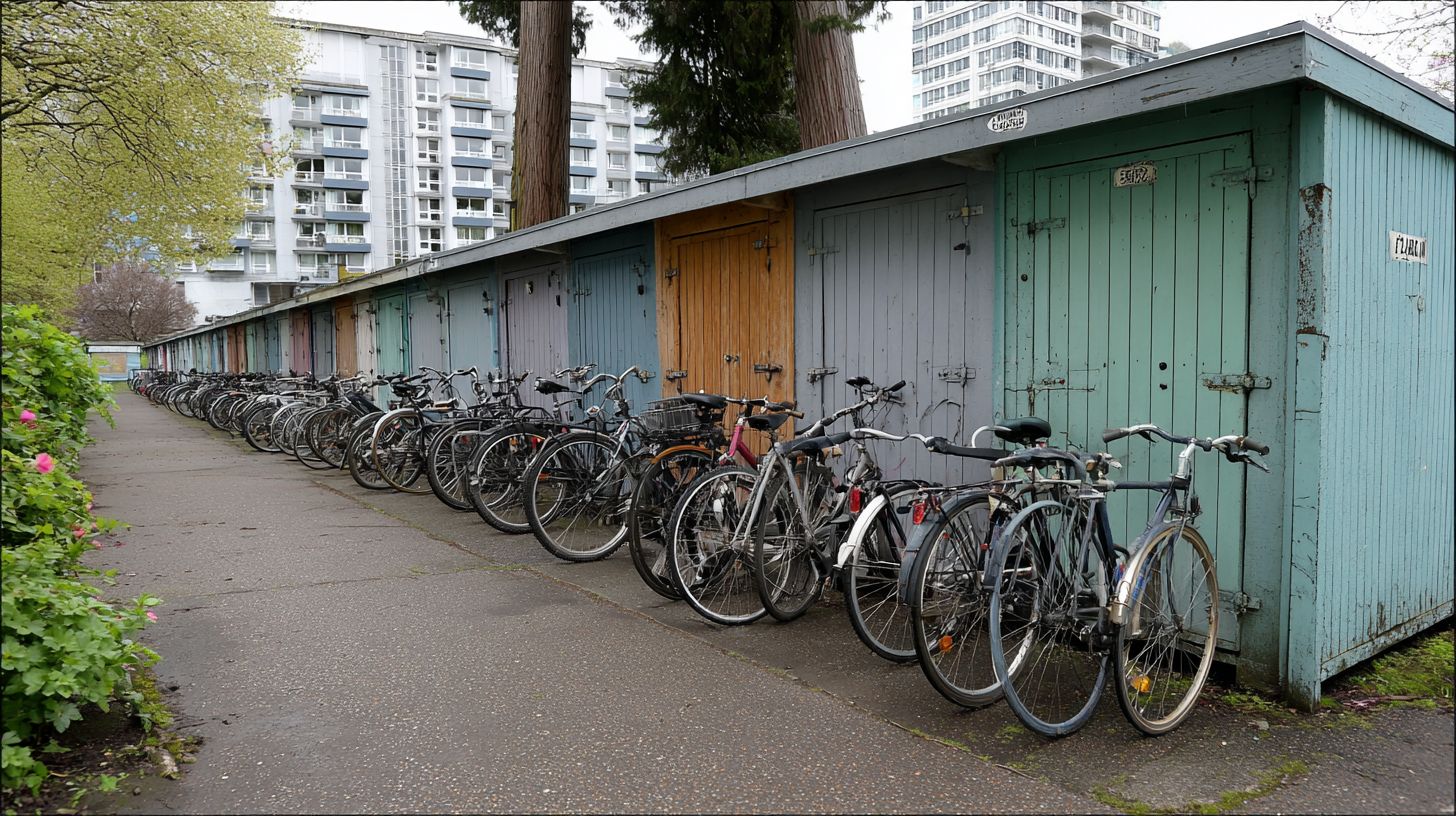
Bicycle sheds come in various designs to suit home bike storage, commercial spaces, or public areas. Wooden options provide a natural look for residential settings, while metal versions withstand harsh weather. Consider factors like 10-year lifespan for wood against 25 years for steel when planning long-term cycle storage buildings. Each type addresses specific needs, from space-saving racks to secure compounds, ensuring bikes stay protected from theft and elements.
For outdoor bike shelters, prioritize weatherproof features like galvanized steel or UV-resistant materials. A wooden bike shed fits garden aesthetics but requires maintenance to prevent rot. In contrast, metal bike shelters offer rust-resistant coatings ideal for coastal areas. Always check for lockable doors or padlock hasps in secure bike storage to deter thieves. Examples include a 4-bike shelter for apartments or a 10-bike compound for offices, enhancing commuter convenience.
Design and Materials
Galvanized steel lasts 25+ years with zero rust while recycled plastic sheds reduce carbon footprint by 40% per lifecycle analysis. Choosing the right materials for bicycle sheds and bicycle storage buildings ensures durability in the Charlotte area’s variable weather. For secure bike storage, materials must balance strength, cost, and aesthetics. Vandal-resistant cycle shelters often use galvanized steel bike racks for their 25-year lifespan and low upkeep.
Key options include powder-coated steel for color variety in metal bike shelters, cedar wood for natural appeal in wooden bike sheds, and recycled plastic for eco-friendly plastic bike storage. Maintenance schedules vary: galvanized steel needs inspection every 5 years, while cedar wood requires annual treatments.
Design features like lockable bike storage with padlock hasps or key-operated doors enhance security in anti-theft bike sheds. Anchored bases prevent tampering, vital for public bike parking or workplace bike storage. Eco-conscious choices, such as sustainable cycle shelters from recycled plastic, align with green initiatives for office bike storage or school cycle shelters.
Installation Guide
Whether setting up a bicycle shed for home use or a larger 6-bike unit for commercial bike storage, following these steps ensures a secure and durable bicycle storage solution. Small bike sheds like residential models take about 2 hours, while multi-bike cycle storage buildings require up to 4 hours. This process suits various types, from metal bike shelters to plastic bike storage units, and prevents common issues like instability from poor anchoring, which causes 30% of failures.
Proper preparation sets the foundation for secure bike storage and weatherproof cycle storage. Clear the area and check for level ground to avoid wobbling in outdoor bike shelters. Use galvanized steel bike racks or heavy-duty cycle compounds or powder-coated bike sheds for rust resistance, especially in garden or backyard settings. Time estimates include assembly of modular bike shelters and prefabricated cycle storage, where panels snap together easily. Expert tip: Always wear safety gear and work with a partner for heavier commercial bike storage units like 10-bike compounds or communal cycle housing.
- Site preparation: Clear a 2x2m area for small bike sheds or compact cycle shelters or larger for multi-bike storage units and large-capacity bike compounds. Remove debris, grass, and rocks. Use a level to check ground flatness, adding gravel if needed for weatherproof bike shelters or all-weather cycle storage to ensure drainage.
- Base installation: Position the base frame and secure with 60kg concrete anchors and 4 bolts. This anchors anti-theft bike sheds and secure cycle shelters against wind and theft attempts, vital for workplace bike storage or public bike compounds.
- Frame assembly: Follow included IKEA-style instructions, using 8-12 screws to connect uprights. This works for wooden bike sheds or vandal-resistant cycle shelters, building a sturdy structure quickly.
- Roof and wall panels: Attach snap-fit plastic bike storage panels or bolt on metal ones for heavy-duty cycle compounds for UV-resistant bike covers and weatherproof cycle storage. Ensure tight seals to protect against rain in covered bike parking and all-weather cycle storage.
- Security fixings: Install a padlock hasp on doors and a ground chain for wheels. For communal cycle housing, consider additional locking points. Add options like wheel clamp storage or secure cycle shelters for extra cycle theft prevention in apartment bike sheds and compact cycle shelters.
- Final checks: Verify ADA clearance of 1.2m for accessibility in bicycle parking sheds and public bike compounds. Test locks, doors, and stability for insurance-approved bike shelters and large-capacity bike compounds.
Avoid mistakes like skipping anchors, leading to 30% failures in easy-install bike storage and prefabricated cycle storage. For e-bike storage units, ensure space for chargers. Consider heavy-duty cycle compounds for larger fleets.
Security Features
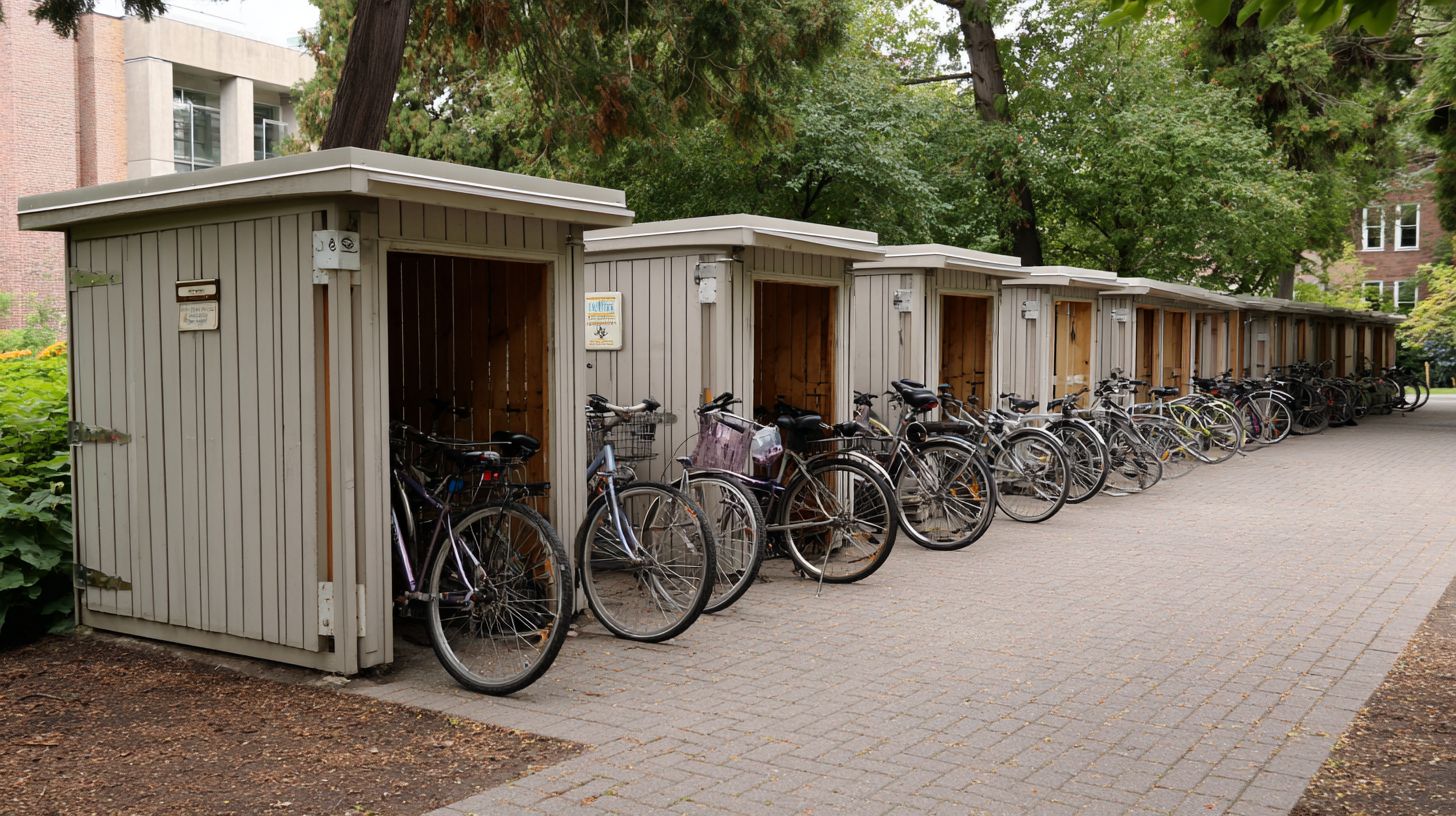
Beyond ratings, bicycle sheds and cycle compounds incorporate multiple layers of protection. Ground anchors use 16mm chains with 500kg pull resistance, securing the entire unit to concrete foundations. Vandal-resistant mesh features 50x50mm welded panels that prevent forced entry. Anti-drill locks with 6-pin tumblers resist common tampering tools. These elements make anti-theft bike sheds ideal for urban bike sheds, school cycle shelters, or workplace bike storage where theft rates are high.
Owners of lockable bike storage units or secure cycle shelters often pair these features with bike locks or wheel clamps for added security. Insurance providers reward such setups with discounts, as they align with guidelines for cycle theft prevention. In public bike parking or apartment bike sheds, these specs ensure bikes from commuters to e-bikes stay protected.
Cost and Maintenance
Budget wooden bike sheds start at $2,500 while premium 10-bike steel compounds cost thousands more. For heavy-duty cycle compounds, expect higher costs. These figures provide a clear starting point for anyone planning bicycle storage solutions such as cycle compounds, whether for home, office, or public use. Initial purchase prices vary based on capacity, material, and features like lockable bike storage or weatherproofing. For instance, a basic 2-bike shed suits residential needs or compact cycle shelters, while larger commercial bike storage units or public bike compounds handle workplace or school demands. Over time, secure bike storage pays off through reduced theft and damage. All-weather cycle storage also prevents weather-related wear.
Annual maintenance costs for bicycle sheds and cycle storage buildings vary by type depend on construction materials, with steel requiring rust checks and wood needing preservation. These routines prevent issues like rust in outdoor bike shelters or warping in wooden bike sheds. For prefabricated cycle storage, follow manufacturer guidelines., ensuring longevity.
Selecting the right bike compound involves balancing upfront costs against these savings. Weatherproof cycle storage may reduce long-term maintenance. Residential users might choose a garden bike shelter for kids’ bikes or a compact cycle shelter, while cities opt for vandal-resistant cycle shelters and public bike compounds.
Frequently Asked Questions
What are bicycle sheds and bicycle storage buildings?
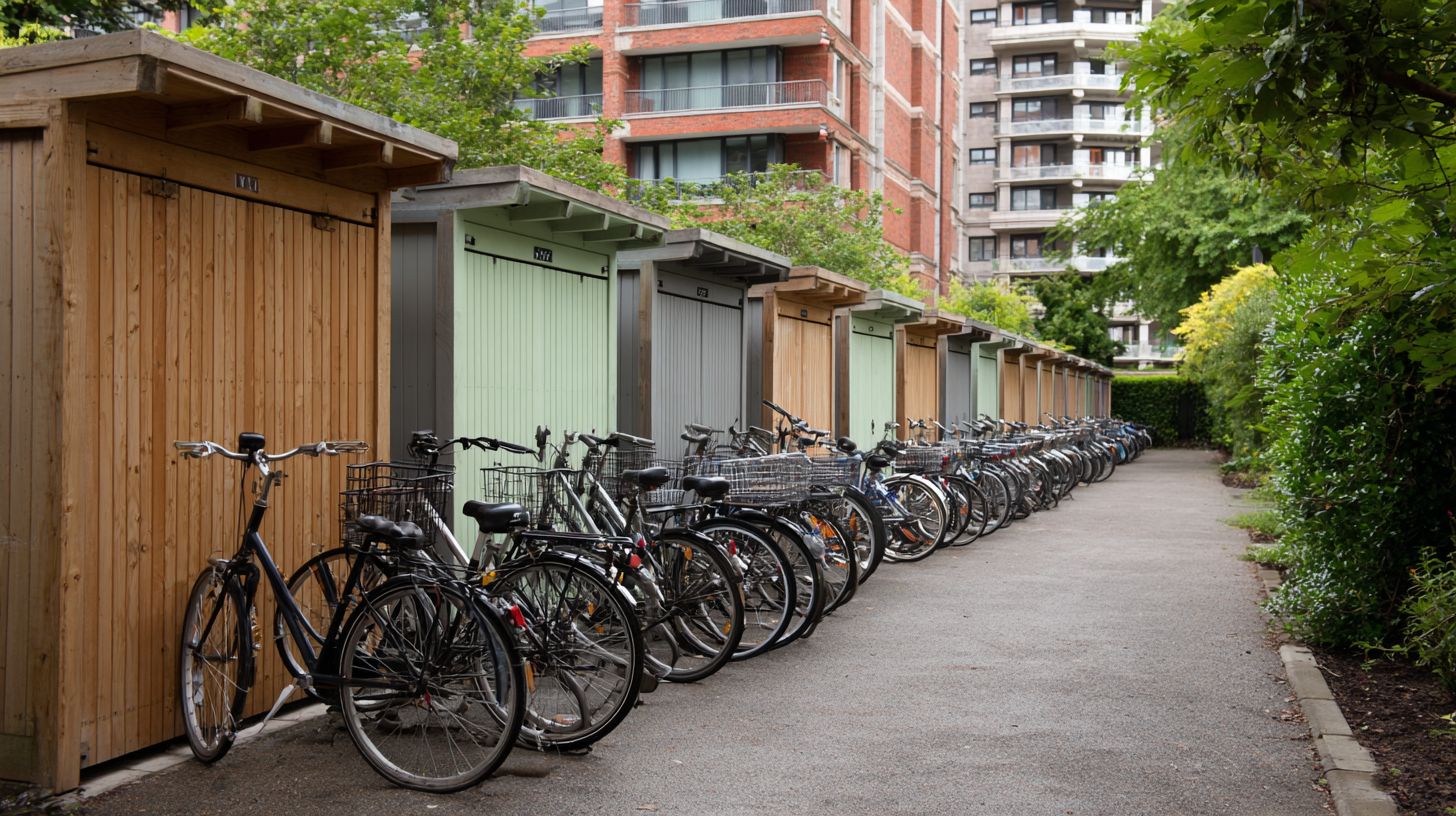
Bicycle sheds and bicycle storage buildings are secure outdoor structures designed to protect bikes designed to protect bikes from weather, theft, and damage. Bicycle sheds are typically smaller, standalone units or compact cycle shelters, while bicycle storage buildings offer larger capacity for multiple bikes in communal or commercial settings. Public bike compounds are a common example.
How do bicycle sheds and bicycle storage buildings differ from regular bike racks?
Unlike open bike racks, bicycle sheds and bicycle storage buildings provide enclosed, weatherproof storage with locking mechanisms. Secure cycle shelters offer similar benefits. Bicycle sheds and bicycle storage buildings offer superior protection against rain, sun, and vandals. All-weather cycle storage is designed for harsh climates., making them ideal for long-term bike parking.
What materials are commonly used for bicycle sheds and bicycle storage buildings?
Bicycle sheds and bicycle storage buildings are often made from durable materials like metal or wood. These materials ensure longevity, rust resistance, and easy maintenance for bicycle sheds and bicycle storage buildings in various climates. Heavy-duty cycle compounds are built to last.
Are bicycle sheds and bicycle storage buildings suitable for home use?
Yes, bicycle sheds and bicycle storage buildings are perfect for residential properties. Compact bicycle sheds fit in backyards or beside garages. Prefabricated cycle storage is easy to install.
How can I secure my bikes in bicycle sheds and bicycle storage buildings?
Bicycle sheds and bicycle storage buildings usually feature heavy-duty locks, padlock hasps, and anchor points for chain locks. Secure cycle shelters often include these as standard. For added security, integrate alarms or CCTV, especially in public bike compounds, ensuring bikes remain safe within these robust bicycle sheds and bicycle storage buildings. Weatherproof cycle storage adds protection from elements.
What sizes are available for bicycle sheds and bicycle storage buildings?
Bicycle sheds and bicycle storage buildings come in various sizes, from small units holding 2-4 bikes to large buildings for 20+ bicycles. Large-capacity bike compounds can hold even more. Customizable options allow tailoring bicycle sheds and bicycle storage buildings to fit apartments, offices, or public spaces. All-weather cycle storage is a popular choice.