Woodworking Sheds Charlotte NC
July 13, 2026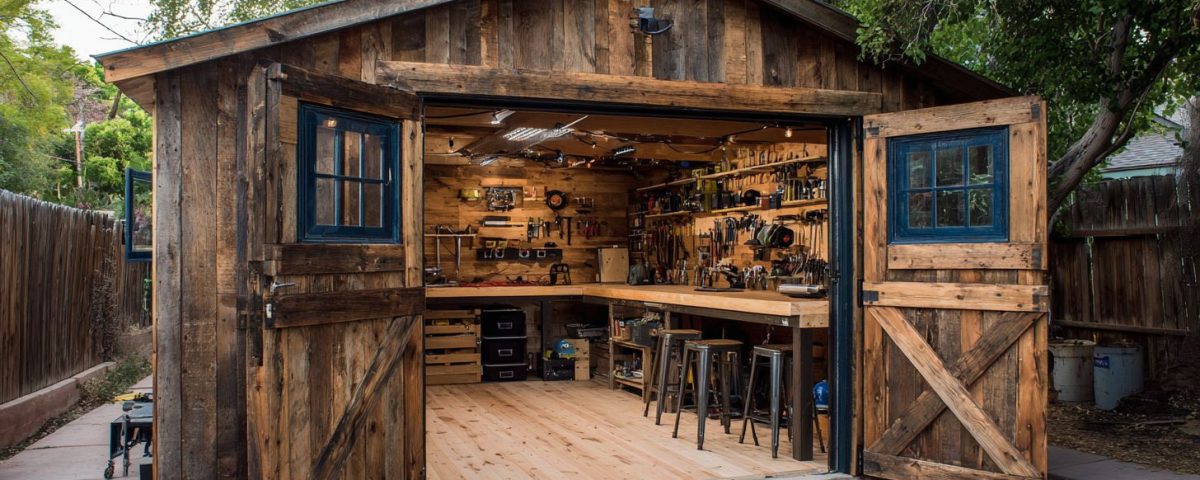
Transform your backyard into a thriving workshop haven with our custom workshop sheds. As your trusted local builder with decades of experience, we deliver durable, flexible designs tailored to bring your projects to life.
Explore our range of sizes, costs, premium materials, electrical options, easy installation processes, key buying considerations, DIY compatibility, garage comparisons, and top brands-all to help you find the perfect workshop shed for your needs. Ready to get started? Contact us today for a no-obligation quote!
What are workshop sheds?
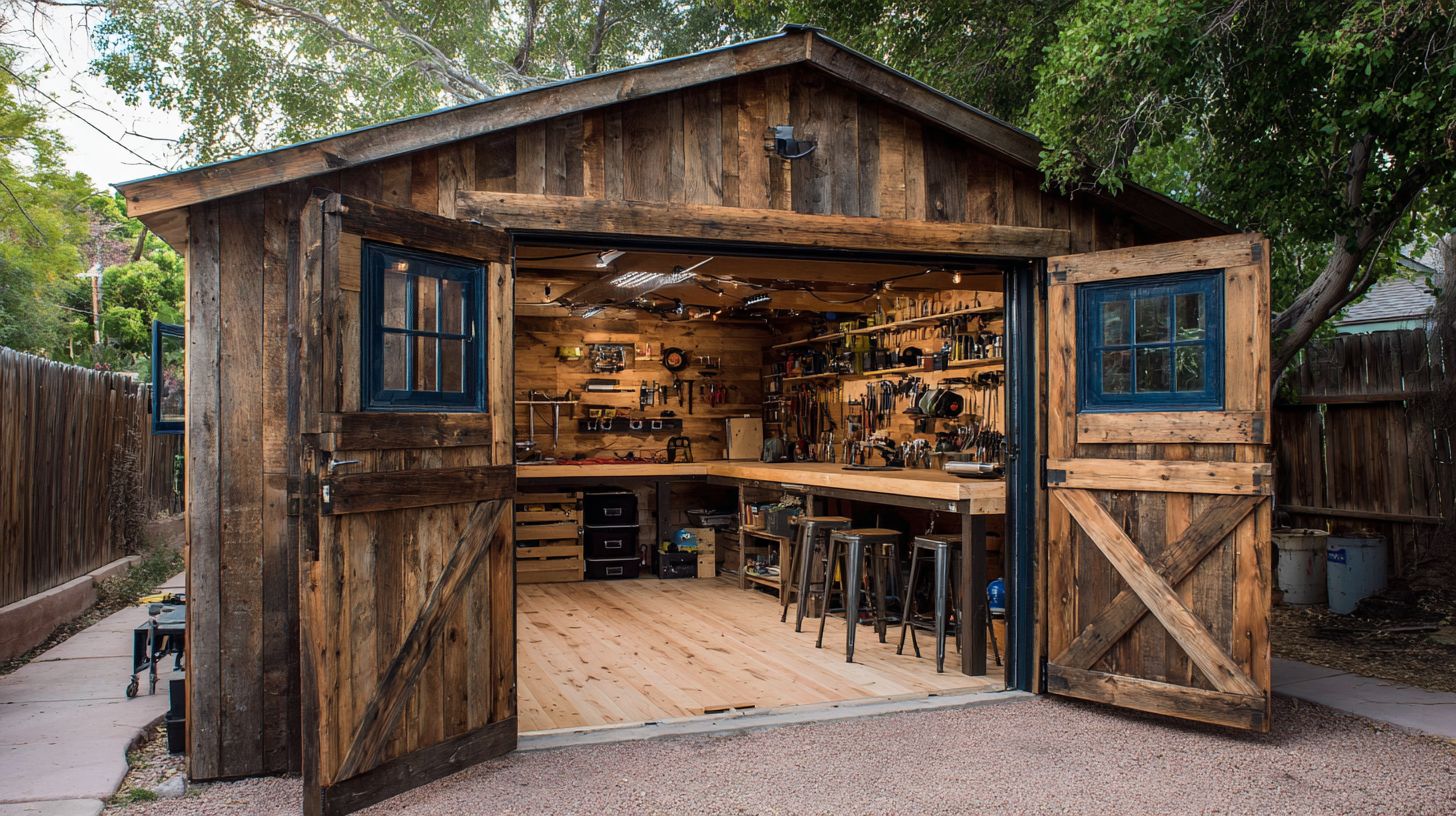
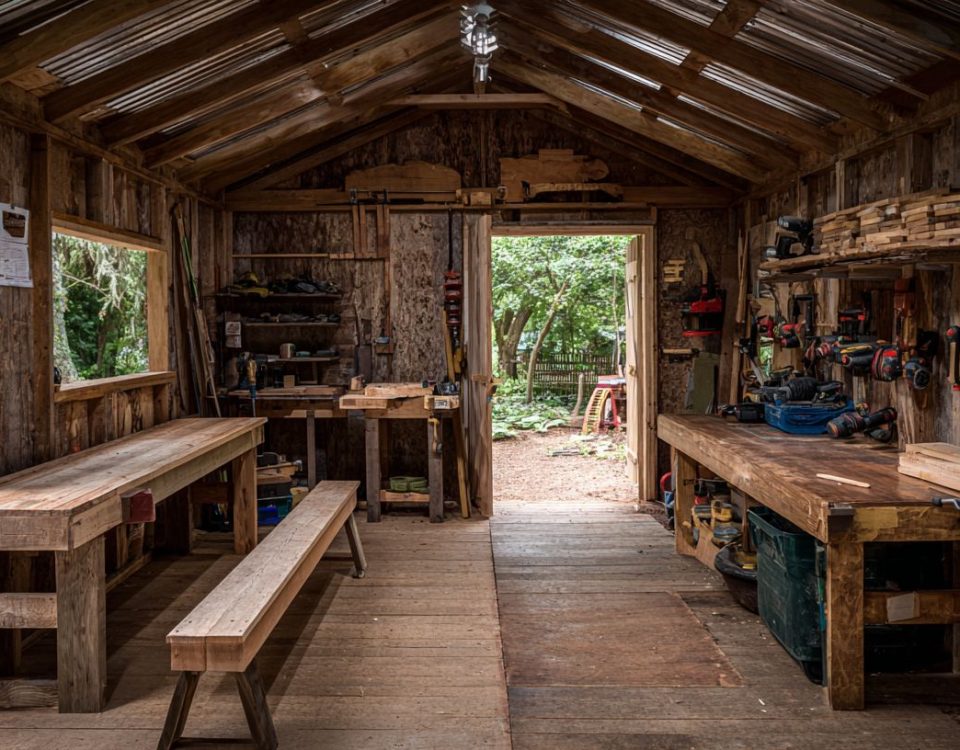
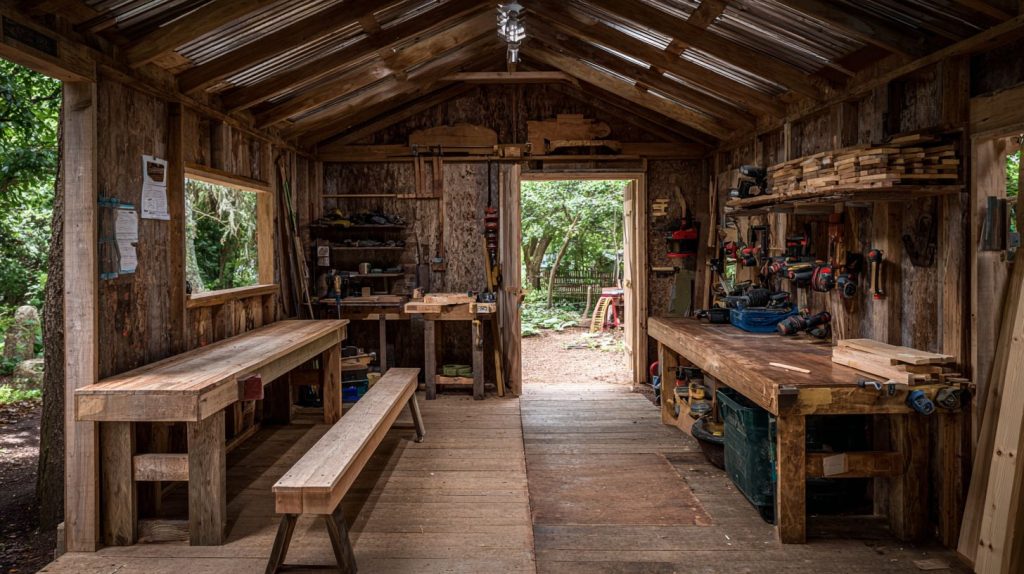
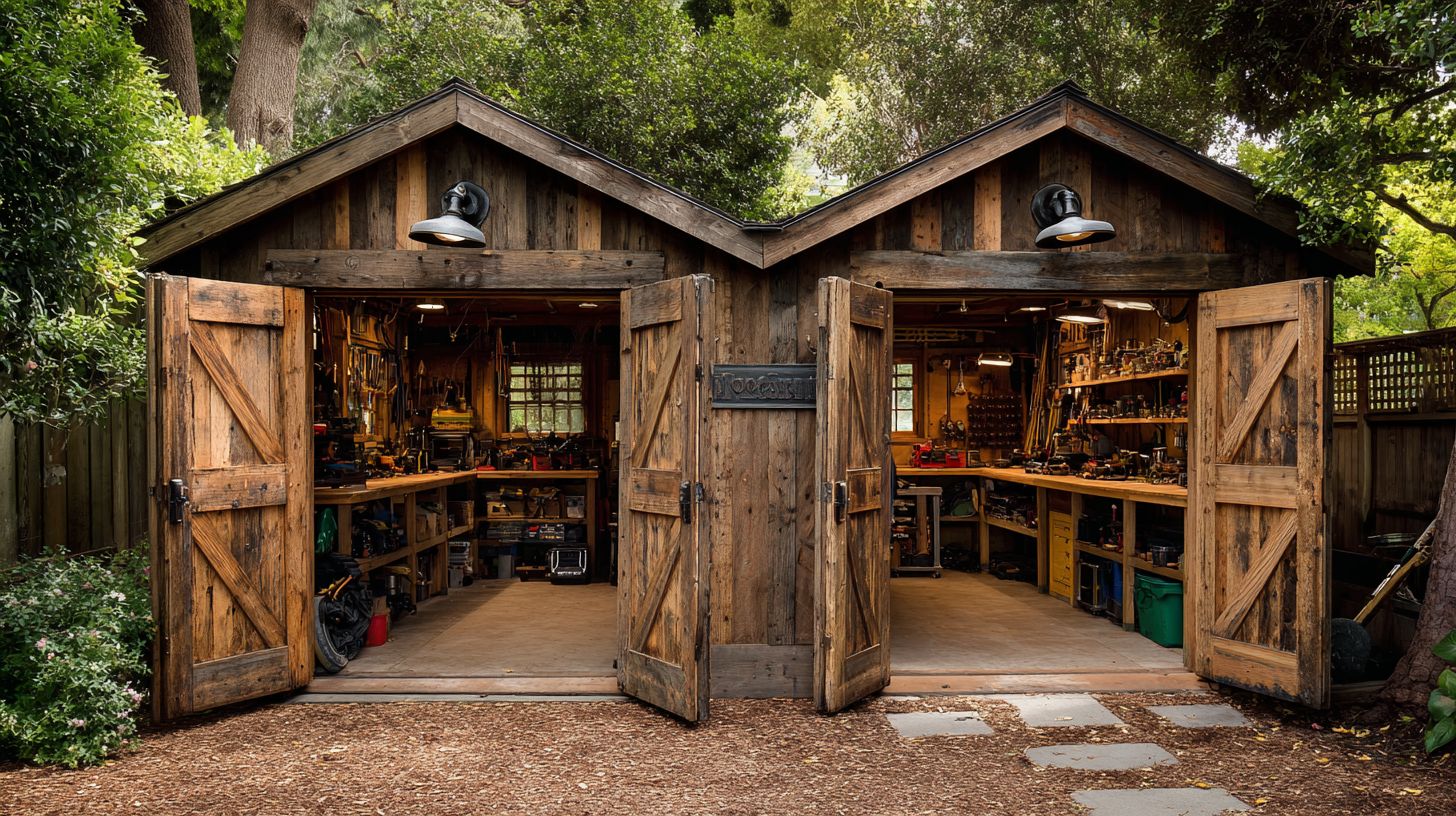
Workshop sheds are purpose-built backyard structures designed for hobbyists and professionals, featuring heavy-duty framing, built-in workbenches, pegboard walls, and electrical-ready designs perfect for woodworking, metalworking, or auto repair projects.
Unlike regular storage sheds or garden sheds, workshop sheds use 16-24″ wall studs instead of standard 2x4s for greater strength. They include 7-8ft workbench heights and floors rated for 200-400lb/sqft load capacity, supporting heavy power tools and machinery.
For example, our 12×16 cedar workshop shed with 10ft walls and double doors handles table saws and welders comfortably. These sheds offer superior durability over basic tool sheds or plastic sheds, making them ideal for serious projects.
Key features set workshop sheds apart from prefab sheds or DIY sheds. They provide practical space for tool storage, lumber racks, and workbench setups in a weatherproof environment.
- Reinforced rafters spaced at 24″ on center for heavy snow loads and added strength.
- Skylights measuring 2x3ft for natural lighting in woodworking shops or metalworking areas.
- Loft storage with 400lb capacity for lumber storage or seasonal gear like bikes and kayaks.
- Electrical conduit pre-installed for easy shed electricity and power tool connections. We offer no hidden fees and transparent pricing.
- Dust-resistant flooring to manage sawdust and debris in busy auto repair sheds or craft spaces.
What sizes of workshop sheds are available?
Workshop sheds range from compact 8×10 (80sqft) models for basic tool storage to spacious 12×20 (240sqft) shops with room for full workshop setups. Choosing the right shed size depends on your tools, projects, and available backyard space. Consider factors like door height, wall clearance, and future expansion needs.
Small sheds suit hobbyists with hand tools and limited power equipment. Medium options handle stationary tools and workbenches. Larger backyard sheds support professional setups with dust collection and multiple zones.
Measure your site for shed foundation and check local shed zoning rules before buying. Opt for prefab sheds or shed kits for quick assembly. Add shed accessories like shelving kits or ramp kits to maximize storage capacity.
Experts recommend planning for tool storage and workflow efficiency in every size. Wooden sheds, metal sheds, or plastic sheds each offer unique benefits for durability and maintenance. This ensures your shed workshop stays organized and functional.
Small Workshop Sheds (8×10 to 10×12)
Small workshop sheds from 8×10 to 10×12 fit hand tools and small power tools like a table saw or miter saw. An 8×10 shed accommodates an 8ft workbench plus a lumber rack for efficient use of space. These compact tool sheds work well for DIY projects in tight backyards. Perfect for storage buildings in Huntersville and Indian Trail.
Standard shed doors offer 72″ height and wall heights of 84″ for easy access. Pair with pegboard or shelves for tool organization. Add shed windows for natural light and shed ventilation to control moisture.
Ideal for storing garden tools, paint storage, or bike storage alongside your workbench. Choose pressure-treated wood for the shed floor and walls to resist pests. These affordable sheds assemble quickly with basic shed framing.
Enhance with shed lighting like LED fixtures and electrical wiring for power tools. Shed insulation keeps the space comfortable year-round. Perfect as a starter hobby shed or craft shed.
Medium Workshop Sheds (10×12 to 12×16)
Medium workshop sheds sized 10×12 to 12×16 provide room for stationary tools plus a full workbench. A 10×12 shed fits a 10ft bench, bandsaw, and drill press with space left for movement. These storage sheds balance capacity and footprint for most home workshops. We offer charlotte storage sheds and charlotte custom sheds.
Recommend 90″ door clearance for wheeling in equipment like mowers or lawn tools. Install cabinets and lumber storage along the shed walls. Use shed roofing like asphalt shingles for weatherproof protection.
Suitable for woodworking shop needs with pegboard for hand tools and power tools. Add shed electricity outlets and dust collection for safety. Double-door sheds improve access for larger items.
Opt for vinyl sheds or cedar sheds for low maintenance. Include shed siding like T1-11 for a finished look. These sizes support multi-purpose sheds, from auto repair shed to potting shed.
Large Workshop Sheds (12×16+)
Large workshop sheds at 12×16 and bigger create full shops with dust collection and multiple work zones. A 12×20 shed handles a CNC router plus a welding station comfortably. These workshop garages suit serious hobbyists or pros needing ample square footage. custom built to your needs.
Feature wide roll-up doors or double doors for heavy equipment like tractors or ATVs. Divide space into zones for tool storage, assembly, and finishing. Strong shed framing supports lofts or heavy-duty shelves.
Incorporate shed insulation, ventilation fans, and LED lighting for all-day use. Add concrete slab foundation for stability under load-bearing roofs. Ideal for man cave shed, she shed, or off-grid workshops.
Choose steel sheds for fire-resistant builds or wooden sheds with shed anchors for wind resistance. Include security like padlocks and shed alarms. Expandable designs allow future shed renovation.
| Size | Sq Ft | Best Tools | Door Width |
|---|---|---|---|
| 8×10 | 80 | Hand tools, table saw, miter saw | 36″ |
| 10×12 | 120 | Bandsaw, drill press, workbench | 60″ |
| 12×16 | 192 | CNC router, dust collection, welding | 72″ |
| 12×20 | 240 | Full shop tools, multiple stations | 90″ |
How much do workshop sheds cost?
Workshop sheds cost $3,500-$18,000 depending on size, material, and features, averaging $25-$45 per square foot installed. Prices vary based on whether you choose wooden sheds, metal sheds, or vinyl sheds. Custom options for a shed workshop add to the total with extras like insulation and electrical wiring.
Base models start lower for small sheds like 8×10 sizes used as tool sheds. Larger 12×20 custom sheds suit bigger needs such as mower storage or woodworking shops. Factor in site preparation like a shed foundation to get accurate quotes.
Delivery and permits influence the final price for backyard sheds. Prefab sheds offer quicker setup than full custom builds. Always check local zoning for your shed size to avoid surprises.
Price by Size and Material
Costs for workshop sheds differ by dimensions and build type. A basic 8×10 wood shed runs about $4,200, ideal for hand tools and lumber storage. Wood provides a natural look for garden tool setups.
Step up to a 10×12 vinyl shed at around $5,800 for maintenance-free storage of bikes or lawn equipment. Vinyl resists fading and needs little upkeep compared to wooden sheds. It suits outdoor storage in wet climates.
For more space, a 12×16 metal shed costs roughly $8,900, great for power tools or ATV storage. Metal offers strength against wind loads. Larger 12×20 custom sheds hit $14,500 with options like shed windows and workbench space.
| Size | Material | Price |
|---|---|---|
| 8×10 | Wood | $4,200 |
| 10×12 | Vinyl | $5,800 |
| 12×16 | Metal | $8,900 |
| 12×20 | Custom | $14,500 |
Additional Costs Breakdown
Beyond the base price, shed foundation adds $1,200-$3,000 depending on gravel base or concrete slab. A solid foundation prevents shifting for your tool shed. Choose piers for uneven ground.
Electrical wiring for shed lighting and power tools costs $800-$2,200. Include outlets for workbench vises or dust collection. Pros handle safe shed electricity setup.
Delivery fees range $300-$800 based on distance for prefab sheds. Permits run $150-$500 per local shed zoning rules. These ensure legal shed installation.
- Foundation: $1,200-$3,000 for stability.
- Electrical: $800-$2,200 for power needs.
- Delivery: $300-$800 to your site.
- Permits: $150-$500 for compliance.
What materials are workshop sheds made from?
Workshop sheds use wood (cedar/pine), metal (galvanized steel), or vinyl. Many shed builders in Charlotte, NC and Mecklenburg County offer top quality options, with some built on site and others prebuilt for convenience. Each material offers specific durability ratings for tools and machinery. Choose based on your climate, budget, and workshop needs like power tools or lumber storage.
Wooden sheds provide natural appeal and easy customization for a shed workshop. Metal options excel in fire resistance for welders or auto repair. Vinyl and composites suit maintenance-free sheds in wet areas.
Consider factors like shed foundation, shed roofing, and shed insulation when selecting materials. Proper shed siding and shed sealing extend lifespan across all types. This ensures your backyard shed protects garden tools and mower storage.
Experts recommend matching material to use, such as metal sheds for heavy-duty workshop garage setups. Review shed plans or shed kits for compatibility with shed doors and shed windows.
Wooden Workshop Sheds (Cedar, Pine, Pressure-Treated)
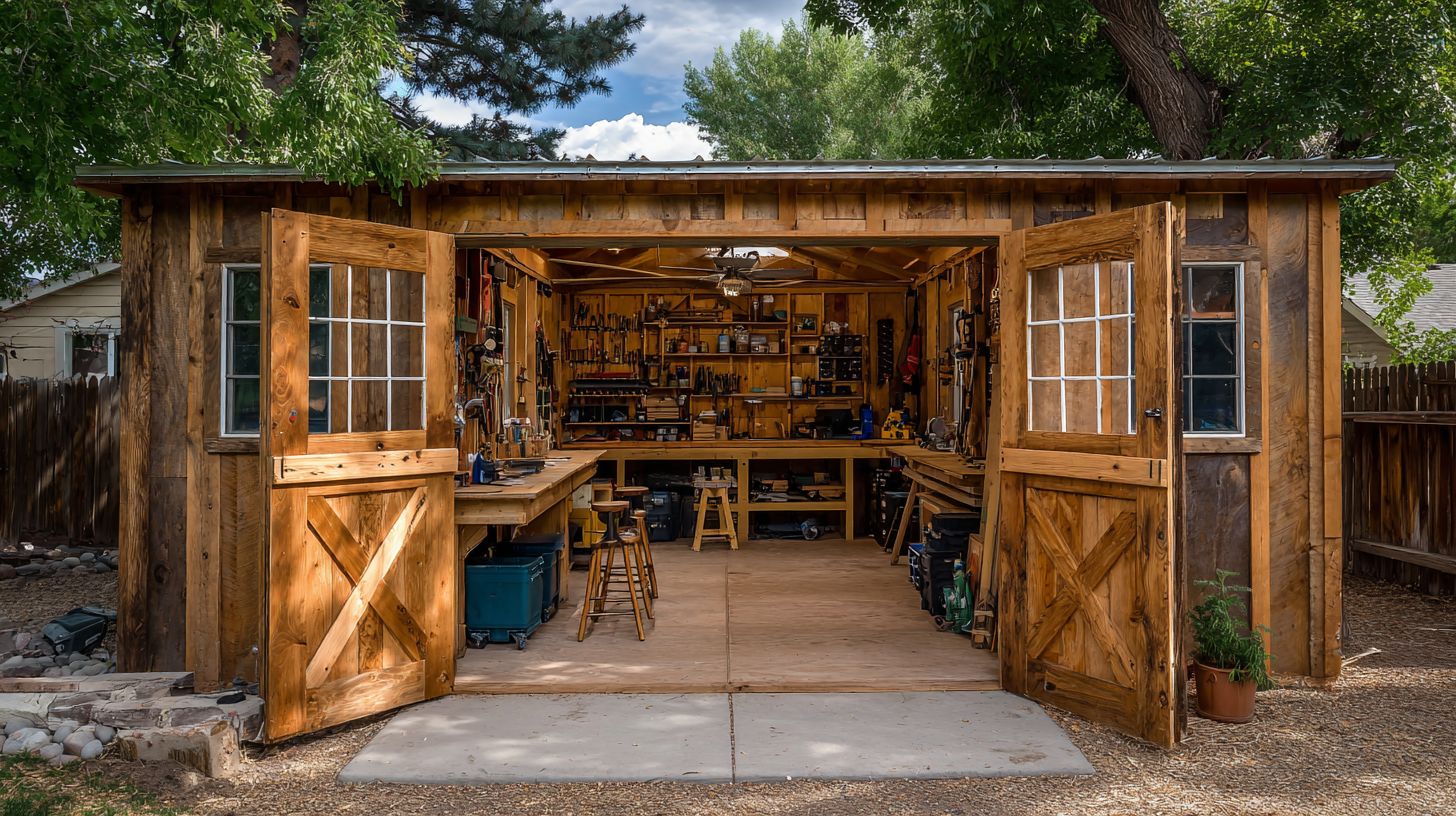
Wooden workshop sheds offer the best aesthetics and workability for custom builds, making them a quality choice for a custom shed builder. Cedar sheds resist rot naturally, making them ideal for outdoor storage in damp climates. Pair with pressure-treated floors to handle paint storage or hand tools.
Pine sheds provide an economical choice but require sealing to prevent moisture damage. Use T1-11 siding and asphalt shingles for a classic look on 8×10 sheds. This setup suits sheds with tool storage like pegboards and shelves.
Add shed insulation and shed ventilation for year-round use as a woodworking shop. Shed staining enhances longevity and fits rustic backyard sheds. Experts recommend cedar for pest-resistant sheds near gardens.
For shed assembly, pressure-treated framing supports heavy workbenches. Install shed windows for natural light in hobby sheds. These materials blend well with shed landscaping like gravel paths.
Metal Workshop Sheds (Galvanized Steel)
Metal workshop sheds from galvanized steel deliver fire-resistant protection and over 30 years of durability. Barnyard Utility Buildings is known for high quality metal options. They suit welders or metalworking sheds with power tools. 29-gauge steel panels resist dents from equipment like ATV storage.
These steel sheds need little upkeep, perfect for busy workshop garages. Corrugated panels handle snow load on 10×12 sheds. Add shed anchors for wind-resistant sheds in stormy areas.
Install shed lighting with LED fixtures for safe auto repair sheds. Rust-proof coatings prevent corrosion near lawn equipment. Pair with concrete slab foundations for stability.
Choose metal for heavy-duty sheds storing tractor shed items. Shed security like padlocks enhances safety. They offer quick shed installation for prefab options.
Vinyl Composites
Vinyl composite sheds provide maintenance-free benefits with UV resistance. Barnyard Utility Buildings offers similar low-maintenance solutions. They prevent warping in sun-exposed garden sheds, ideal for garden tools. A 6mil wall thickness ensures strength for small sheds.
Add shelving kits for organized tool sheds holding bikes or kayaks. Moisture control features suit humid spots.
Enhance with shed electricity for off-grid workshops. Perfect for low-profile walk-in sheds with double doors.
Do workshop sheds come with electrical or plumbing options?
Yes, many workshop sheds offer pre-wired electrical packages designed for easy professional hookup. A shed builder in Mooresville, Lake Norman, Huntersville, Indian Trail, Waxhaw, or Fort Mill can help with local regulations. These include conduit-ready setups that support shed electricity needs like powering tools and lights. Options fit various shed sizes from small 8×10 sheds to larger 12×16 models.
Plumbing packages add utility for sinks or water heaters in shed workshops. They work well in backyard sheds used as tool sheds or multi-purpose spaces. Professional installation ensures compliance with local codes for safe operation.
Choosing these features boosts functionality for power tools, workbenches, and storage. They turn basic storage sheds into efficient workshop garages. Always check shed plans or kits for compatibility before purchase.
Benefits include better organization with shed lighting and outlets near tool storage. This setup supports hobbies like woodworking or auto repair in custom sheds. Verify permits for electrical wiring and plumbing during shed installation.
Electrical Options and Specifications
Standard electrical packages for workshop sheds typically include 6-10 outlets rated at 20 amps. They come with 2 LED lights providing 4000 lumens for clear visibility. A 50amp subpanel handles demands from power tools and chargers.
Costs range from $850 to $2,200 depending on shed size and features. These packages meet NEC 2020 ground fault protection standards for safety. They suit wooden sheds, metal sheds, or prefab sheds with proper shed wiring.
For a 10×12 shed, the layout often places four outlets along the workbench wall. A custom workshop shed may have a different layout, so consult your builder. This positions power near pegboard, shelves, and cabinets for hand tools. Add shed ventilation fans or dust collection systems to these circuits.
Experts recommend hiring certified electricians for hookup to the main panel. This ensures quality work and compliance with HOA rules if applicable. Use shed insulation and grounding for safe operation in off-grid workshops. These options enhance prefab sheds or DIY sheds with reliable shed power setup.
Professional Installation Requirements
Local electrician certification is required for all shed electrical work. Plumbers must handle plumbing to meet zoning and permit rules. This applies to garden sheds converted to workshop garages.
For a 10×12 shed electrical layout, place four outlets along the 12-foot workbench. Add two overhead LED lights centered above the space. Run conduit from the subpanel near the shed entrance for clean wiring.
Installation involves site preparation like pier foundations or skids for leveling. Secure with shed anchors for wind resistance in heavy-duty sheds. Test all systems post-install for workbench vises and extension cords.
Hire pros for shed assembly if adding these features to shed kits. They manage shed permits and compliance for safe tool sheds. This ensures durable sheds with proper shed framing and siding integration.
How do you install a workshop shed?
Professional shed installation takes 1-3 days using gravel base or concrete slab foundations, ensuring level 12×16 sheds withstand 40psf snow loads. A level foundation is crucial for a top quality shed. This process creates a stable base for workshop sheds, tool sheds, or backyard sheds. Proper setup prevents shifting and supports heavy tool storage.
Start with site preparation to check local shed permits and shed zoning. Choose a flat spot away from trees for drainage. This step ensures your DIY sheds or prefab sheds last longer.
Assembly involves shed framing, shed walls, and shed roof using shed kits. Anchor securely for wind-resistant sheds. Add shed doors and shed windows for access and light in your shed workshop.
Finish with shed insulation, shed ventilation, and shed lighting for comfort. Install workbench and pegboard for organization. This turns basic storage sheds into functional spaces.
Site Preparation (Day 1, 4-6 hours)
Begin site preparation by marking the 12×16 footprint with an extra 1ft overhang. A 3 step process is typical: site prep, assembly, and finishing. Use stakes and string for accuracy on your workshop shed location. This ensures proper shed size fits your yard.
- Mark 12×16 footprint plus 1ft overhang using spray paint and stakes.
- Excavate 6 inches deep to level the ground and improve drainage.
- Add 4 inches of gravel over landscape fabric, costing around $350 total for a solid gravel base. This ensures no yard damage and no fence removal.
Compact the gravel with a tamper for a firm shed foundation. Check for slope to direct water away from your garden sheds or wooden sheds. This prevents moisture control issues later.
Verify levelness with a 4-foot level across the site. Adjust as needed for shed leveling. Your prepared pad now supports shed assembly safely.
Shed Assembly & Anchoring
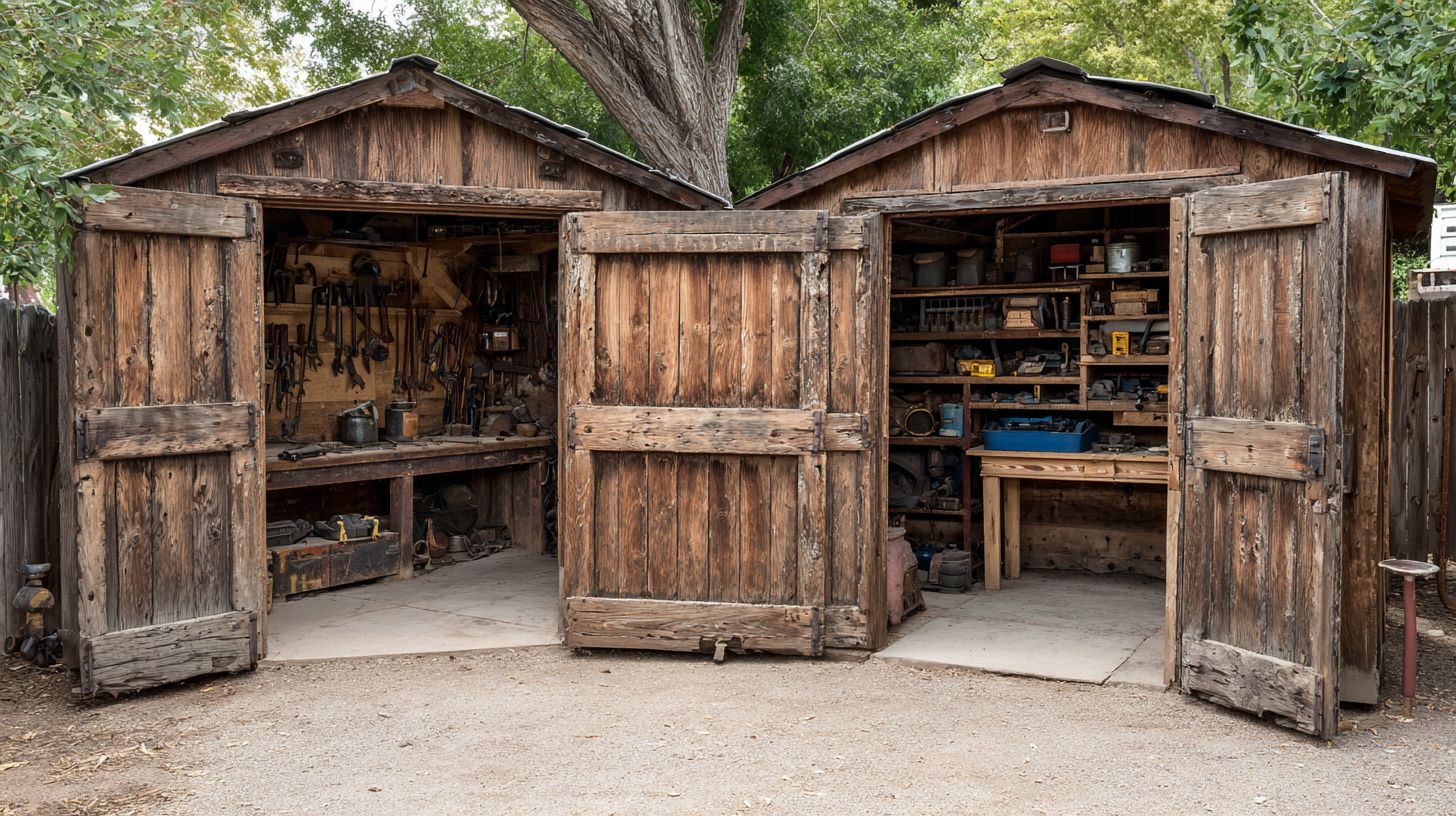
Assemble your shed kit in 6-12 hours with two people, starting with shed floor and shed framing. For a built on-site shed, a on site shed builder can handle this. Follow instructions for shed walls and shed roof. This builds sturdy custom sheds or prefab sheds.
Secure with 8-12 anchor bolts (1/2″ x 10″) drilled into the foundation. Add hurricane ties on rafters for wind-resistant sheds. These hold shed anchors firm against storms.
- Position shed floor on base and level carefully.
- Raise shed walls and brace until roof goes on.
- Install shed roofing like asphalt shingles or corrugated metal.
- Attach siding, doors, and windows for full enclosure.
Check all connections for tightness. Add shed siding and shed insulation next. Your finished workshop shed now offers space for power tools and tool storage. Many are made in NC and locally owned.
What should you consider before buying a workshop shed?
Before buying, check local zoning rules since sheds over 120 square feet often need permits. For residents in Charlotte, NC, Mecklenburg County, and surrounding areas like Mooresville, Lake Norman, Huntersville, Indian Trail, Waxhaw, and Fort Mill, consulting a local shed builder is essential. Measure for 10 feet clearance around the shed to ensure easy access. Verify that the structure meets 30 psf snow load and 110 mph wind ratings for your area.
Think about how the shed fits your needs, whether for power tools or lumber storage. A hand-selected design from a family owned company like Barnyard Utility Buildings can ensure quality. Consider workshop sheds with features like double doors for large equipment. Plan for future expansion, such as adding a loft or electrical wiring.
Evaluate materials like pressure-treated wood for wooden sheds, steel for metal sheds, or LP SmartSide Panels for durability. Check for shed warranties and resistance to pests or weather. Site preparation, including a level base, prevents issues down the line.
Zoning, Permits, and Placement
Start with local zoning laws for your workshop shed. In North Carolina, South Carolina, and Virginia, regulations vary by county. Most areas require setbacks of 5 to 15 feet from property lines to avoid neighbor issues. HOAs often limit sheds to under 10 feet in height.
A 12×16 shed typically needs a building permit in many municipalities. A best on-site shed builder like Beau can help navigate these requirements. Contact your city office early to confirm rules for shed permits. This step saves time and avoids fines later.
Plan shed placement for convenience, like near your garage for tool access. In Charlotte, sheds charlotte placement should consider HOA rules and local climate. Ensure space for doors to swing open fully. Consider drainage and sun exposure for year-round use.
Double-check HOA guidelines for backyard sheds or garden sheds. Companies like Barnyard Utility Buildings offer compliant options. Some restrict colors or styles on wooden sheds. Proper placement boosts safety and resale value.
Site and Foundation Planning
Choose a site with a 2% slope away from the shed for drainage. This prevents water pooling under shed floors or walls. Clear vegetation and level the ground first.
Options include 4×4 skids for movable setups or a gravel base for stability. For permanent installs, use concrete slabs or pier foundations. This supports heavy loads from workbenches or mowers.
Measure for your shed size, like an 8×10 or 10×12 shed. Account for shed depth and width to fit lawn equipment. Grade the slope to direct water away from your home.
Experts recommend anchoring sheds against wind with shed anchors. For on-site shed builder services, contact a charlotte shed builder. Test levelness with a tool before final setup. Good planning ensures a durable foundation for tool storage.
Future-Proofing Features
Plan wiring for a 220V welder if you work with heavy power tools. Verify with your local building department in Charlotte, NC. Add conduits now for easy shed electricity upgrades. This supports a full shed workshop setup.
Design for loft expansion to store lumber or seasonal items overhead. Opt for double doors at 72 inches wide to move large items like ATVs inside. These choices make multi-purpose sheds versatile.
Include shed windows and vents for natural light and airflow. Think about insulation for year-round use as a home office shed or gym shed. Add pegboard walls for tool organization.
Consider shed roofing with load-bearing capacity for snow. For residents in the Carolinas, including Charlotte and surrounding areas, choose a reputable builder. Install skylights or LED lighting for better visibility. These features turn basic storage sheds into lasting workshops.
How do workshop sheds compare to garages?
Workshop sheds cost 60-75% less than garage additions, such as $8,000 versus $25,000 for a 12×16 size, with faster installation in just 3 days compared to 4-6 weeks for garages. Many homeowners in Charlotte, NC and Mecklenburg County prefer sheds for this reason. This makes them a practical choice for dedicated hobby spaces. Homeowners often prefer sheds for quick setups without major disruptions.
Garages serve as multi-vehicle storage plus workshops, boosting home resale value more effectively according to Remodeling Magazine 2024 data, where sheds return 65% of costs and garages 72%. A local shed builder in Charlotte can provide cost estimates. Sheds shine in backyard flexibility, avoiding the need to alter existing structures. Consider your primary needs before deciding.
A hybrid example like a 12×20 shed adjacent to the garage, sharing electrical wiring, combines benefits of both. Consult a charlotte shed builder for custom designs. This setup expands workspace without full garage builds. It supports power tools and lighting while keeping vehicles separate.
Key factors include shed permits often waived under 200 square feet in many areas, unlike garages requiring full approvals. Check with Mecklenburg County and other local authorities. Space efficiency favors sheds for compact sites. Utilities and flexibility also play roles, detailed in the comparison below.
| Factor | Workshop Sheds | Garages |
|---|---|---|
| Cost | Lower upfront, 60-75% less for similar size. Quick prefab sheds or DIY sheds keep budgets tight. A family owned shed builder like Barnyard can offer competitive pricing. | Higher due to foundation, framing, and integration. Long-term ROI edges out at 72% per Remodeling Magazine 2024. |
| Space Efficiency | Compact for backyards, like 10×12 shed or 12×16 shed. Fits tight lots without yard loss. Ideal for areas like Lake Norman and Huntersville. | Large footprint for vehicles and tools. Less ideal for small properties. |
| Utilities | Easy add-ons like shed electricity, electrical wiring, or solar-powered sheds. Hybrid sharing possible. Barnyard Utility Buildings specializes in these upgrades. | Built-in plumbing, power, often heated. More complex for off-grid workshops. |
| Permits | Permit-free under 200sqft in many zones. Simple shed zoning checks. Verify with Indian Trail or Waxhaw officials. | Full building permits required. Stricter shed size and location rules. |
| Flexibility | Dedicated shed workshop, multi-purpose sheds for gym shed or woodworking shop. Portable sheds movable. Brands like Barnyard Utility Buildings offer options. | Workshop garage for multi-vehicle + tools. Higher resale but less hobby-focused. |
Frequently Asked Questions
What are workshop sheds?
Workshop sheds are versatile outdoor structures designed specifically for use as a hobby space, workspace, or storage area for tools and equipment. They provide a dedicated environment for DIY projects, woodworking, mechanics, or any hands-on activities, often featuring sturdy construction, ample lighting, and customizable interiors to suit workshop needs.
What are the benefits of using workshop sheds?
Workshop sheds offer numerous benefits, including protection from weather elements, organized storage for tools and materials, increased home value, and a separate space from living areas to reduce noise and clutter. They enhance productivity by providing a dedicated workshop sheds environment tailored for creative and practical pursuits.
How do I choose the right size for workshop sheds?
To choose the right size for workshop sheds, assess your available space, the types of projects you’ll undertake, and storage requirements. Common sizes range from 10×10 feet for small setups to 20×30 feet for larger operations. Measure your tools, workbench needs, and future expansions to ensure your workshop sheds fit comfortably in your yard.
What materials are best for building workshop sheds?
The best materials for workshop sheds include pressure-treated wood for durability against moisture, metal for fire resistance and low maintenance, or vinyl siding for weatherproofing. Consider insulation, roofing options like metal or shingles, and foundations such as concrete slabs to make your workshop sheds long-lasting and functional year-round.
Do workshop sheds require planning permission?
Whether workshop sheds require planning permission depends on local regulations, size, location, and height. In many areas, sheds under a certain size (e.g., 100 sq ft) are exempt, but always check with your local council or zoning office before installation to ensure compliance for your workshop sheds project.
How can I customize my workshop sheds?
You can customize workshop sheds with features like built-in workbenches, shelving units, electrical wiring for power tools, windows for natural light, insulation for climate control, and secure doors. Personalize the interior layout to match your specific needs, turning your workshop sheds into an ideal space for any craft or trade.